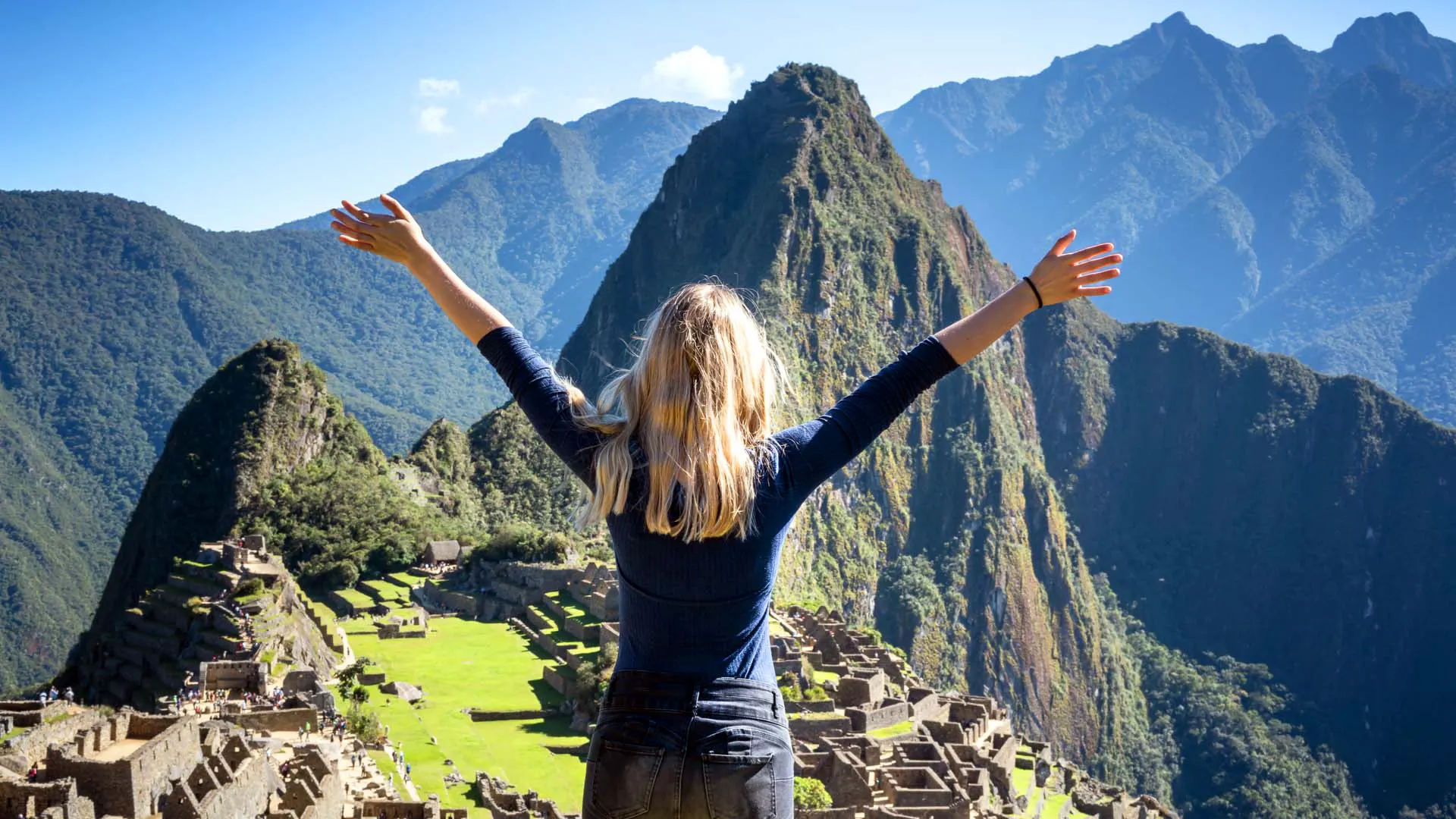
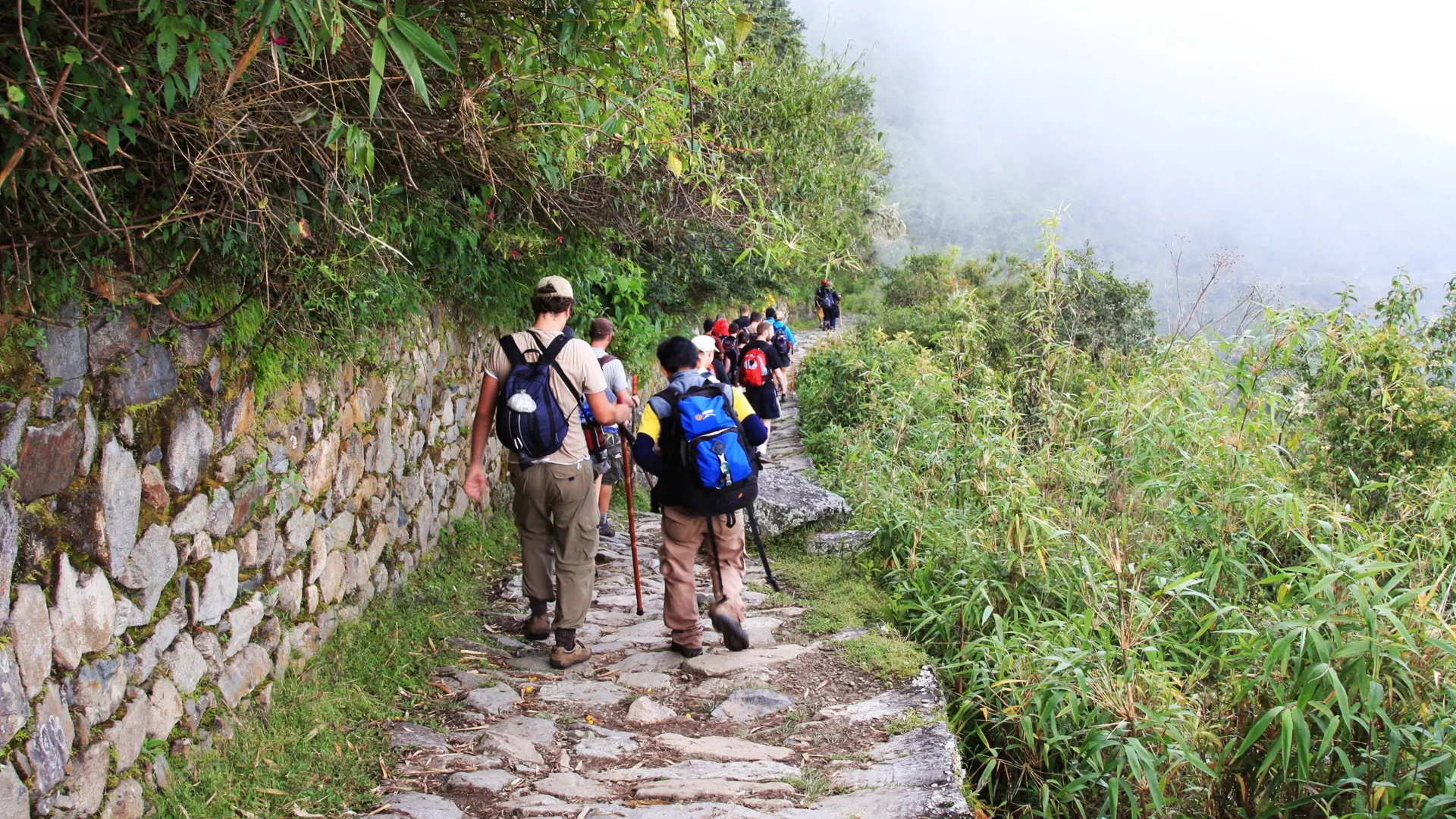
Embarking on the legendary Inca Trail is an unforgettable adventure, offering breathtaking landscapes, ancient ruins, and a deep connection to the history of the Inca civilization. However, to ensure the safety of hikers, preserve the natural environment, and protect cultural heritage, strict regulations govern access to this iconic route. This guide will provide a comprehensive overview of the rules and regulations, from permit requirements to environmental conservation efforts and prohibited items.
[ez-toc]
1. The Importance of the Inca Trail
The Inca Trail is more than just a hiking route—it is a historic passage leading to the magnificent Machu Picchu, one of the New Seven Wonders of the World. Recognized as a UNESCO World Heritage Site, the trail traverses breathtaking Andean landscapes, lush cloud forests, and ancient archaeological sites. Given its cultural and ecological significance, regulations are in place to preserve this remarkable route for future generations.
2. Understanding the Inca Trail Regulations
2.1 Overview of the Rules
The regulations governing the Inca Trail are designed to ensure the safety of hikers while protecting the environment and historical sites. These rules are enforced by Peruvian authorities such as the Ministry of Culture, Ministry of Tourism, DIRCETUR, and SERNANP, as well as international organizations like UNESCO.
- Permit Requirements: Limited to 500 people per day, including hikers, guides, and support staff.
- Designated Trails and Campsites: Hikers must remain on official trails and camp only in permitted areas.
- Operating Hours: The trail is open from 5:00 AM to 7:00 PM daily.
- Environmental Protection: Regulations ensure minimal impact on the ancient ruins and natural surroundings.
- Prohibited Items: Certain items and behaviors are strictly forbidden to maintain the integrity of the trail.
2.2 Permit and Entry Requirements
2.2.1 Daily Limit and Entry Process
To protect the trail, only 500 individuals are allowed daily, including guides, cooks, and porters. Each hiker must obtain an official permit in advance, which is registered at least 48 hours before entry. The main checkpoint at Kilometer 82 requires every traveler to present their original identification, such as a passport.
2.2.2 Identification and Control Points
Hikers must present valid identification at designated control points to ensure permit validity and maintain safety records. These measures help regulate the number of visitors and uphold trail security.
2.3 Trail Accessibility and Schedule
2.3.1 Operating Hours
The Inca Trail is accessible only between 5:00 AM and 7:00 PM to prevent accidents and protect archaeological sites. Nighttime trekking is strictly prohibited except in emergencies.
2.3.2 Seasonal Closures
To allow for restoration and maintenance, the trail is closed each February. Any additional closures are announced at least 30 days in advance.
3. Environmental and Cultural Preservation
3.1 Staying on Designated Paths
Hikers must remain on marked trails to prevent damage to archaeological structures and fragile ecosystems. Camping is only permitted at designated sites such as Ayapata, Chaquicocha, and Wiñayhuayna.
3.2 Waste Management
All waste must be packed out and disposed of properly. Tour operators provide support to ensure responsible waste management, maintaining the pristine nature of the trail.
4. Prohibited Items on the Inca Trail
To maintain the integrity of the Inca Trail, the following items are strictly prohibited:
- Weapons: Firearms, knives, and machetes.
- Fuel: Flammable substances like gasoline and kerosene.
- Alcohol and Drugs: Banned to ensure safety and respect for the site.
- Metal-Tipped Canes: Only rubber-protected walking sticks are allowed.
- Drones and Filming Equipment: Unauthorized drones and professional cameras require special permits.
- Noise Disruptions: Loudspeakers and musical instruments are not allowed.
- Animals: Domestic and exotic pets are prohibited.
- Glass Containers: To prevent litter and injury, glass bottles are banned.
- Bonfires: Open fires are strictly forbidden.
5. Regulations and Enforcement
5.1 Oversight by Authorities
The rules are enforced by Peruvian agencies and UNESCO to ensure safety and preservation. Violations may result in fines or removal from the trail.
5.2 Consequences of Violations
Non-compliance with regulations can lead to penalties, including the revocation of trekking permits and fines.
6. Updates and Considerations for Modern Hikers
6.1 Group Sizes and Support Staff
- Group Limit: Maximum of 16 tourists per group, with additional guides for larger groups.
- Daily Capacity: 500-person limit, including support staff.
6.2 Booking and Advance Reservations
Due to high demand, permits should be booked months in advance, requiring full name, nationality, passport details, and payment.
6.3 Mandatory Equipment
- Backpack: Comfortable and durable.
- Sleeping Bag: Suitable for mountain conditions.
- Tent: Allowed only in designated camping areas.
- Water Filter: Recommended for safe hydration.
- First Aid Kit: Essential for emergencies.
- Portable Gas Stove: Open flames are not permitted.
7. Frequently Asked Questions
| Question | Answer |
|---|---|
| How many people are allowed on the Inca Trail daily? | 500, including tourists and staff. |
| What are the trail’s operating hours? | 5:00 AM to 7:00 PM. |
| Can I extend my stay? | No, extensions are not permitted. |
| When is the trail closed? | Every February for maintenance. |
8. Best Practices for a Responsible Trek
- Respect Cultural Heritage: Do not damage or alter ruins.
- Follow Designated Trails: Avoid off-trail hiking.
- Minimize Waste: Pack out all trash.
- Use Eco-Friendly Products: Opt for biodegradable toiletries.
9. Final Thoughts
The Inca Trail is a journey through history and nature. By following regulations and best practices, you help preserve its legacy for future generations. Respect the trail, embrace the experience, and leave only footprints behind.
“True luxury in South America is not merely comfort—it is the rare privilege of uninterrupted stillness, profound ancestral intimacy, and flawless execution.”— South American Luxe Editorial Board
Curator’s Insider Recommendations
- Private Sunrise Access: Coordinate private departures at dawn before general entry windows open to experience majestic sites in tranquil serenity.
- Bespoke Acclimatization: Descend immediately to 2,800m in the Sacred Valley rather than staying in Cusco on arrival night for supreme restful comfort.
- Biodynamic Gastronomy: Reserve tasting menus at high-altitude research ateliers at least 90 days in advance.
Master Craftsmanship & Architectural Seclusion
Every element of the modern Andean sanctuary reflects meticulous architectural reverence. Sourced from local stone quarries and indigenous timber reserves, private villas offer floor-to-ceiling glass envelopes that dissolve the boundary between luxurious interior warmth and the raw grandeur of the glacier-clad Andes.
Ready to Experience This Firsthand?
Our senior travel architects craft completely custom itineraries tailored to your dates, private aircraft, and suite desires.