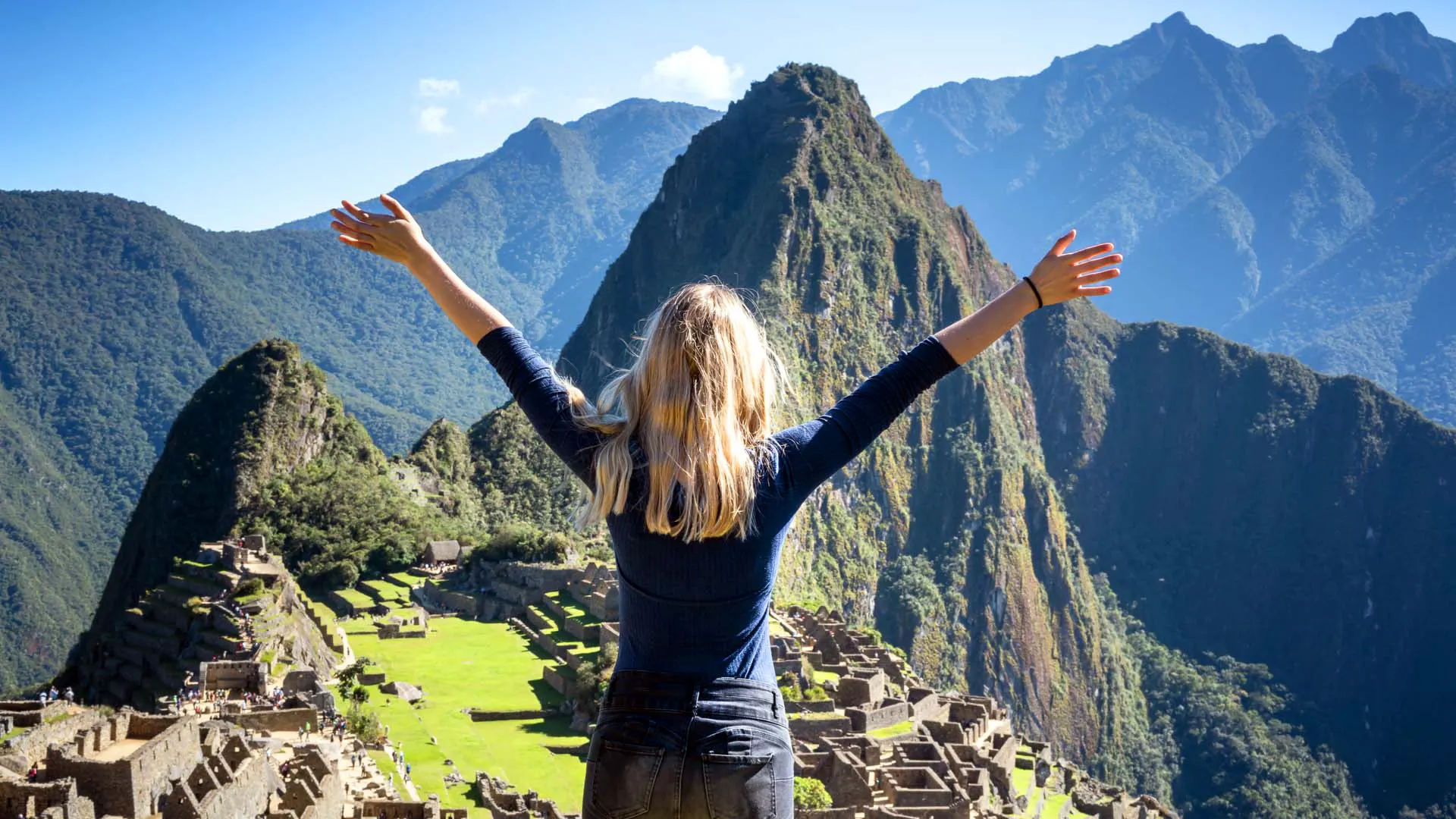
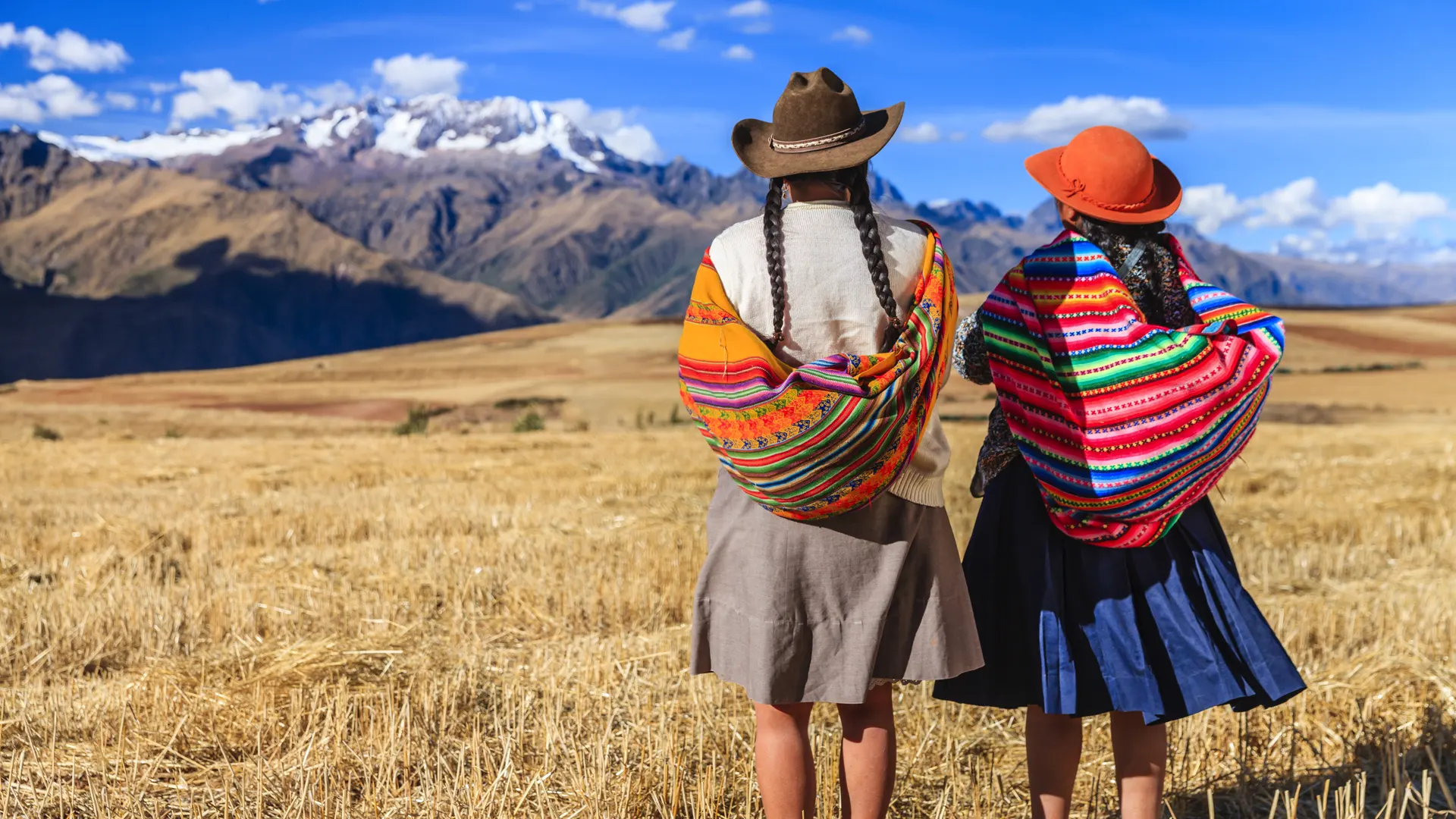
Planning a journey to Bolivia? This remarkable country in South America offers breathtaking landscapes, ancient traditions, and a rich cultural tapestry. Whether you’re preparing to hike the Andes, explore the Amazon, or wander colonial cities, having the right information can make your adventure smooth and memorable. This guide provides essential Bolivia travel tips, from transportation and weather to cuisine and safety, all designed to help you navigate your trip with confidence.
[ez-toc]
How to Get to Bolivia and Move Around
Traveling in Bolivia can be very affordable. Long-distance buses are the most popular option for getting around the country and are incredibly budget-friendly. However, due to poor road conditions in some areas, travel times can be significantly longer than expected.
For quicker trips between major cities like La Paz, Sucre, and Santa Cruz, domestic flights are a viable option. Keep in mind that Bolivia’s road safety standards may differ from what you’re used to, so if you decide to rent a car, drive with caution. The local driving style can be aggressive or unpredictable in some regions.
Tips for Local Transportation:
- Use registered taxis labeled with “Radiotaxi.” It’s safest to call a cab through your hotel.
- Minibuses and city buses are available in urban areas, costing less than $0.25 per ride.
International Entry Points:
- Air Travel: The main international gateway is Viru Viru International Airport in Santa Cruz. Other international airports include those in La Paz and Sucre.
- Land Travel: If you’re coming from Peru or Brazil, cross-border buses are a common choice.
Required Documents for Visiting Bolivia
Travelers from most European countries and North America can enter Bolivia without a visa for stays of up to 90 days. All you need is a passport that’s valid for at least six months beyond your travel date.
Important Travel Documents:
- Passport – Valid for at least 6 months.
- Visa – Required for some countries like the United States, depending on the latest regulations.
- Travel Insurance – Strongly recommended for all international travelers.
Always check the latest entry requirements with the Bolivian embassy or consulate in your country before traveling. Keeping digital copies of your documents in the cloud or on your phone is also a smart move.
When Is the Best Time to Visit Bolivia?
Because of Bolivia’s diverse geography, the best time to visit depends on where you’re going. However, in general, the dry season from May to October is the most favorable for most travelers.
| Region | Dry Season | Highlights |
|---|---|---|
| Altiplano (La Paz, Uyuni) | May to October | Clear skies, perfect for trekking and visiting the Salt Flats |
| Amazon Basin | Variable, but generally rainier year-round | Wildlife viewing and jungle excursions |
| Salar de Uyuni | May to August | Best for dry salt plains, ideal for photography |
Pro tip: If you’re aiming for surreal mirror-like reflections on the salt flats, visit during the rainy season (January–March). But travel during this period can be more difficult due to flooding.
Bolivian Cuisine: Must-Try Dishes
Bolivia’s food scene is as diverse as its landscapes. From hearty Andean meals to spicy Amazonian stews, the cuisine reflects the fusion of indigenous and Spanish influences.
Top Traditional Dishes to Try:
- Salteña: A juicy baked pastry filled with meat, potatoes, olives, and egg. A perfect snack for any time of day.
- Silpancho: A breaded beef cutlet served with rice, potatoes, fried egg, and salad – a staple comfort food.
- Pique Macho: A spicy combination of beef, sausage, fries, tomato, and onion, often shared among friends.
- Api con pastel: A hot purple corn drink paired with fried pastries. Commonly enjoyed during chilly mornings.
- Anticucho: Skewered beef heart grilled and served with potatoes and peanut sauce – a popular street food.
- Sopa de maní: A creamy peanut soup loaded with meat and vegetables – warm and satisfying.
- Plato paceño: A dish from La Paz featuring potatoes, cheese, corn, beef, and llajwa (a spicy salsa).
Many markets and small restaurants serve these dishes at affordable prices. Don’t be afraid to explore local eateries – they often offer the most authentic experience.
“True luxury in South America is not merely comfort—it is the rare privilege of uninterrupted stillness, profound ancestral intimacy, and flawless execution.”— South American Luxe Editorial Board
Curator’s Insider Recommendations
- Private Sunrise Access: Coordinate private departures at dawn before general entry windows open to experience majestic sites in tranquil serenity.
- Bespoke Acclimatization: Descend immediately to 2,800m in the Sacred Valley rather than staying in Cusco on arrival night for supreme restful comfort.
- Biodynamic Gastronomy: Reserve tasting menus at high-altitude research ateliers at least 90 days in advance.
Master Craftsmanship & Architectural Seclusion
Every element of the modern Andean sanctuary reflects meticulous architectural reverence. Sourced from local stone quarries and indigenous timber reserves, private villas offer floor-to-ceiling glass envelopes that dissolve the boundary between luxurious interior warmth and the raw grandeur of the glacier-clad Andes.
Ready to Experience This Firsthand?
Our senior travel architects craft completely custom itineraries tailored to your dates, private aircraft, and suite desires.