Situated along the famed Inca Trail, the Wiñay Wayna ruins stand as a testament to the ingenuity and spiritual depth of the Inca civilization. Although often eclipsed in popularity by Machu Picchu, Wiñay Wayna presents a unique chance to immerse yourself in ancient Inca architecture, cultural practices, and their profound harmony with the natural environment. Whether you are an avid trekker, history enthusiast, or someone looking for a serene encounter with history amidst breathtaking ruins, Wiñay Wayna in Peru offers an inspiring journey filled with wonder and discovery.
Essential Facts About Wiñay Wayna
| Feature | Details |
| Location | Cusco Region, Peru |
| Elevation | 2,700 meters (8,900 feet) |
| Discovery | Unearthed between 1940 and 1942 by the Wenner Gren Scientific Expedition |
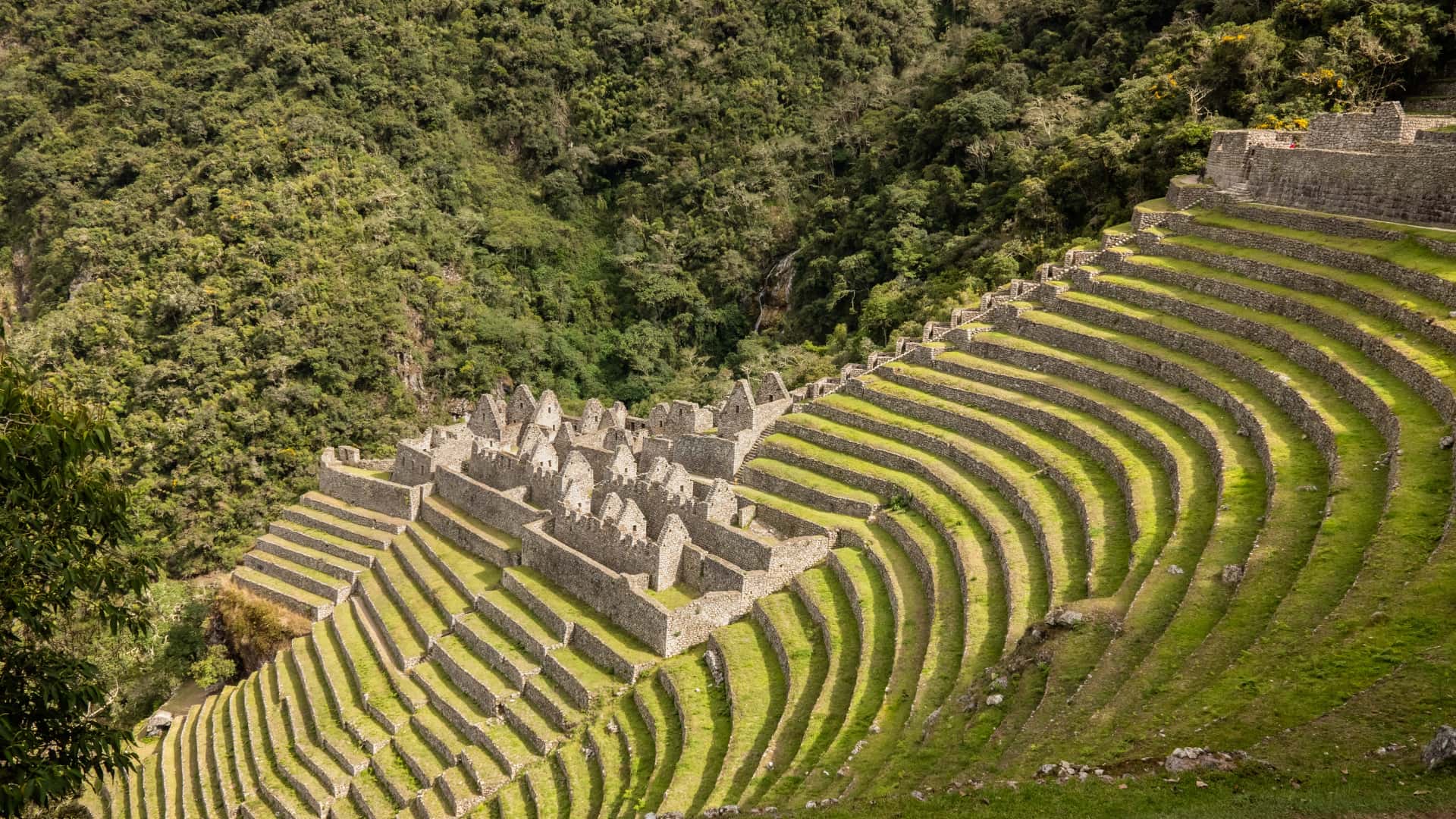
| Main Structures | Upper and Lower Complexes, Extensive Agricultural Terraces |
| Primary Purpose | Spiritual sanctuary, regional administration center, and travelers’ rest stop |
| Flora | Rich in native orchids, including the iconic Wiñay Wayna orchid |
| Access | Reached via Classic or Short versions of the Inca Trail |
| Optimal Visiting Period | Dry season from May through October |
Understanding Wiñay Wayna
The name Wiñay Wayna translates to “forever young” in Quechua, reflecting the site’s legendary symbolism. This striking Inca archaeological complex is located roughly 3.3 kilometers to the south-southeast of Machu Picchu. Nestled on a steep mountainside between Puyupatamarca and Intipunku (the renowned Sun Gate), Wiñay Wayna overlooks the lush valley carved by the Urubamba River. Sitting at an altitude of 2,700 meters (8,900 feet), it serves as a critical milestone for hikers trekking the Inca Trail, offering a vivid window into the engineering prowess and cultural heritage of the Incas.
Historical Background of Wiñay Wayna
Constructed in the 15th century during the reign of Emperor Pachacutec, the visionary leader who expanded the Inca Empire, Wiñay Wayna held multifaceted importance in Inca society. While its exact role is still debated among scholars, prevailing theories suggest the site fulfilled several vital functions:
- Religious Center: The presence of ceremonial fountains and bathing pools implies the site was used for spiritual rituals, likely dedicated to Inca deities and ceremonial purification.
- Administrative Nucleus: It probably operated as a hub for organizing agricultural activities and managing the distribution of resources within the region.
- Resting Place for Travelers: Positioned strategically on the Inca Trail, Wiñay Wayna likely served as a resting and recuperation point for high-ranking officials, nobles, and other travelers en route to Machu Picchu.
Architectural Mastery of the Incas at Wiñay Wayna
The Wiñay Wayna ruins exemplify the remarkable architectural and engineering skills of the Inca civilization, showcasing their mastery in stonework and landscape integration.
Upper and Lower Sections
Wiñay Wayna is organized into two main complexes:
- Upper Complex: This area features a notable circular structure, possibly used for ceremonial functions, along with characteristic trapezoidal doorways and windows that are hallmarks of Inca construction.
- Lower Complex: Distinguished by jagged parapet walls and imposing stone blocks, this section is connected to the upper complex by a beautifully crafted stone staircase adorned with ancient fountains and baths.
Ingenious Agricultural Terraces
Surrounding the site are broad, expertly engineered terraces carved into the steep hillside. These terraces were designed to combat soil erosion, optimize irrigation, and maximize crop yields in the challenging Andean environment. They supported the cultivation of staple crops like potatoes, corn, and coca leaves, illustrating the Incas’ sophisticated agricultural techniques.
The Stunning Natural Environment of Wiñay Wayna
Beyond its architectural marvels, Wiñay Wayna is embraced by an enchanting natural setting, making it a captivating destination for nature lovers and explorers.
Local Flora and Wildlife
The ruins are enveloped by a dense cloud forest rich in biodiversity. Visitors may spot colorful orchids, including the emblematic Wiñay Wayna orchid, along with hummingbirds and, on rare occasions, the elusive spectacled bear. The interplay of mist, verdant foliage, and ancient stonework creates a serene and almost mystical atmosphere.
The Symbolic Wiñay Wayna Orchid
This orchid, which gives the site its name, is celebrated for its delicate beauty and cultural significance. In Inca lore, it symbolizes eternal youth and vitality, resonating with the site’s name, “forever young.”
Planning Your Visit to Wiñay Wayna
Exploring the Wiñay Wayna ruins offers an unforgettable blend of adventure and cultural immersion. To help you plan, here’s everything you need to know.
How to Reach Wiñay Wayna
The site is accessible exclusively via the Inca Trail, which offers several trekking options:
- Premium 5-Day Inca Trail Trek:
- Day 1: Acclimatization trek from Cusco to Wayllabamba
- Day 2: Challenging ascent over Dead Woman’s Pass, Wayllabamba to Paqaymayu
- Day 3: Journey through jungle terrain and historical ruins, Paqaymayu to Phuyupatamarca
- Day 4: Descent to Machu Picchu via the Sun Gate
- Day 5: Guided Machu Picchu tour and return train to Cusco
- Classic 4-Day Inca Trail Trek:
- Day 1: Cusco to Wayllabamba for warm-up
- Day 2: Dead Woman’s Pass challenge, Wayllabamba to Paqaymayu
- Day 3: Trek from Paqaymayu to Wiñay Wayna through jungle landscapes
- Day 4: Visit Machu Picchu and return to Cusco by train
- Short 2-Day Inca Trail Trek:
- Day 1: Train journey to kilometer 104
- Day 2: Machu Picchu exploration and return to Cusco
Ideal Time to Visit
The prime visiting season for Wiñay Wayna coincides with the dry months from May through October, offering the clearest skies and best trekking conditions. Shoulder months like April and November are also appealing due to milder weather and fewer tourists, providing a quieter, more intimate experience.
Essential Gear for Your Trek
- Altitude Sickness Remedies: Medication to help acclimate and prevent altitude sickness is highly recommended.
- Sleeping Bag: Crucial for overnight treks on the Inca Trail.
- Insect Repellent: Protect yourself against mosquitoes common in the cloud forest environment.
- Sunglasses and High SPF Sunscreen: Shield your skin and eyes from intense high-altitude sun exposure.
- Durable Hiking Boots: Essential for safe navigation over uneven, rocky trails.
- Water and Nutritious Snacks: Maintain hydration and energy levels during the trek.
Tour Services
Booking your Wiñay Wayna trek with a trusted operator like South American Luxe guarantees a hassle-free and rewarding experience. We specialize in offering well-organized tours that combine safety, expert guidance, and competitive prices—allowing you to explore Peru’s wonders without compromise. Your safety, comfort, and satisfaction are our highest priorities every step of the way.
Inca Trail Guided Experiences
- Knowledgeable Guides: Our expert guides enrich your visit with engaging narratives about Wiñay Wayna’s history, culture, and architecture.
- Flexible Itineraries: Customize your journey to match your interests and fitness level, adding extra stops or activities as you prefer.
Preservation and Conservation
Efforts to safeguard the Wiñay Wayna ruins are spearheaded by the Peruvian government alongside international conservation organizations. Key initiatives include:
- Visitor Limitations: Strict caps on daily visitors to minimize impact and protect the site’s integrity.
- Restoration Projects: Ongoing maintenance to reinforce terraces and architectural structures, preventing deterioration caused by natural elements.
- Public Education: Programs aimed at raising awareness on the significance of protecting this cultural heritage site.
Legends and Mystical Stories
Wiñay Wayna’s allure is enriched by captivating myths that echo through the centuries:
- The Orchid Maiden: Legend tells of a young woman who was transformed into the eternal orchid to symbolize everlasting youth, aligning with the site’s name meaning.
- The Ever-Flowing Spring: A tale speaks of a sacred spring within Wiñay Wayna that never dries, believed to be a blessing from the gods.
The Wiñay Wayna ruins weave together extraordinary architectural achievement, deep historical significance, and stunning natural surroundings. Serving as a pivotal waypoint on the Inca Trail, the site invites visitors to connect intimately with the ancient past while soaking in the tranquility of the Andean mountains. Whether you are trekking onward to Machu Picchu or seeking hidden gems of Peru’s cultural landscape, Wiñay Wayna offers an unforgettable, enriching experience that stays with you long after your journey ends.
“True luxury in South America is not merely comfort—it is the rare privilege of uninterrupted stillness, profound ancestral intimacy, and flawless execution.”— South American Luxe Editorial Board
Curator’s Insider Recommendations
- Private Sunrise Access: Coordinate private departures at dawn before general entry windows open to experience majestic sites in tranquil serenity.
- Bespoke Acclimatization: Descend immediately to 2,800m in the Sacred Valley rather than staying in Cusco on arrival night for supreme restful comfort.
- Biodynamic Gastronomy: Reserve tasting menus at high-altitude research ateliers at least 90 days in advance.
Master Craftsmanship & Architectural Seclusion
Every element of the modern Andean sanctuary reflects meticulous architectural reverence. Sourced from local stone quarries and indigenous timber reserves, private villas offer floor-to-ceiling glass envelopes that dissolve the boundary between luxurious interior warmth and the raw grandeur of the glacier-clad Andes.
Ready to Experience This Firsthand?
Our senior travel architects craft completely custom itineraries tailored to your dates, private aircraft, and suite desires.