Patagonia is one of the best destinations in South America for travellers over 60. There is no high altitude, the most famous sights can be enjoyed from boardwalks, boats, trains and short walks, and summer days have about 16 hours of light. What makes the difference is the pace, the transfers and the choice of hotels, and that is where a private, tailor-made trip beats a group tour.
Best monthsOctober to April; March and April are calmer
Time needed10 to 14 days for Argentina and Chile
EffortEasy to moderate; no long hikes needed
AltitudeNone: the highest overnight, Bariloche, is under 900 m
This guide, written by our team of local specialists, explains which experiences suit each level of walking, how long every transfer takes, when to go and where to stay, with two sample routes you can adapt.
Is Patagonia a good trip for seniors?
Yes, if it is planned well. Patagonia has three advantages for senior travellers and two challenges.
- No altitude. Unlike Cusco or Bolivia, Patagonia lies close to sea level: El Calafate, Puerto Natales and Ushuaia are all low, so there is no altitude sickness to worry about.
- Great sights without hiking. The Perito Moreno Glacier, the towers of Torres del Paine, the Beagle Channel and the Lake District can all be enjoyed from boardwalks, boats, trains and car viewpoints.
- Good infrastructure. Airports, hospitals, pharmacies and comfortable hotels in the main towns.
- The challenge: distances. Patagonia is huge. Flights connect the regions, but some transfers take three to seven hours by road.
- The challenge: wind. Gusts can be very strong, especially from December to February. Good footwear, layers and a guide who chooses the right time for each visit make all the difference.
Best time to visit Patagonia for seniors
| Months | Weather | Crowds | For senior travellers |
|---|---|---|---|
| October–November | Spring: cool, changeable, long days | Moderate | Good: wildflowers, fewer visitors, lodges open |
| December–February | Summer: warmest, about 16 hours of daylight, strongest wind | High | Best weather, but book a year ahead for Torres del Paine |
| March–April | Autumn: calmer winds, red and gold forests | Moderate | Our favourite: stable weather, softer light, fewer people |
| May–September | Winter: cold, short days | Low | Many park lodges close; Ushuaia and Bariloche are winter resorts |
See our full guide to the best time to visit Patagonia for month-by-month detail.
Senior-friendly experiences, by effort level
We rate every experience from ●○○ Easy to ●●● Active. Everything in this table can be done without trekking:
| Experience | Walking | Effort | Notes |
|---|---|---|---|
| Perito Moreno Glacier boardwalks | From a few hundred metres to about 4 km | ●○○ Easy | One short circuit is adapted for reduced mobility; the others have stairs. Benches and viewpoints all along. |
| Perito Moreno boat ride | None | ●○○ Easy | About one hour on Lake Argentino in front of the ice wall. |
| Torres del Paine by car | Short walks from the road | ●○○ Easy | Laguna Amarga, Lake Pehoé and the Río Serrano viewpoints are next to the road. |
| Salto Grande waterfall | About 10 minutes each way | ●○○ Easy | Wide, mostly flat path; very windy at the falls. |
| Lake Pehoé catamaran | Boarding ramp only | ●○○ Easy | About 30 minutes each way between Pudeto and Paine Grande. |
| Lago Grey icebergs | Suspension bridge and flat beach | ●●○ Moderate | Sandy shore; boat trips to Grey Glacier sail from the lake. |
| Mirador Cuernos | About 6.5 km return, little climbing | ●●○ Moderate | About two hours on a gentle trail with views of the Cuernos del Paine. |
| End of the World Train, Ushuaia | None | ●○○ Easy | A narrow-gauge steam train of about one hour each way into Tierra del Fuego National Park. |
| Beagle Channel boat trip | None | ●○○ Easy | Sea lions, cormorants and the Les Éclaireurs lighthouse from a covered boat. |
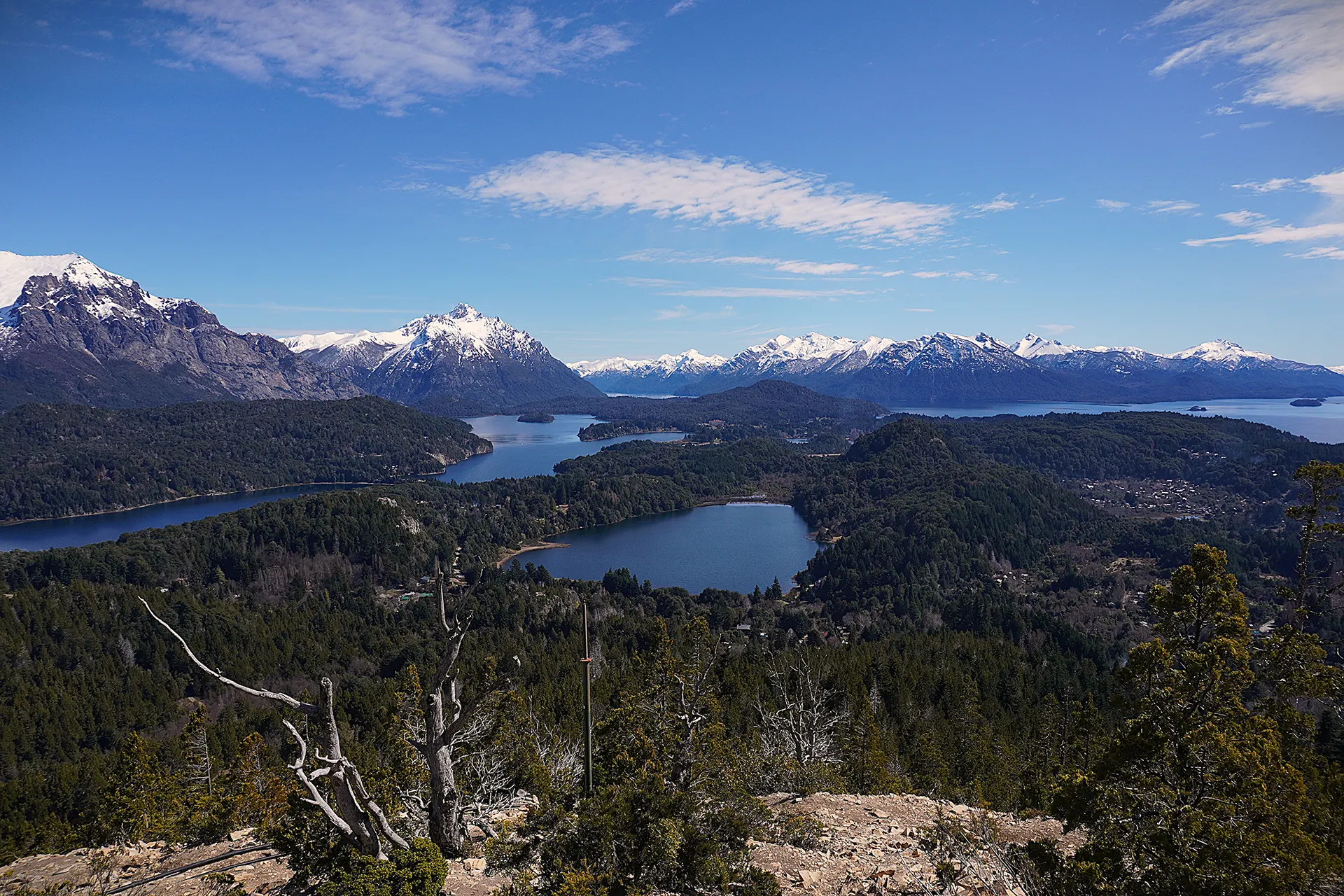
| Cerro Campanario, Bariloche | None: chairlift | ●○○ Easy | One of the finest panoramas of the Lake District, reached by chairlift. |
| Fitz Roy viewpoints, El Chaltén | Short climbs near the village | ●●○ Moderate | The longer Laguna de los Tres hike is for strong walkers only. |
The Perito Moreno Glacier
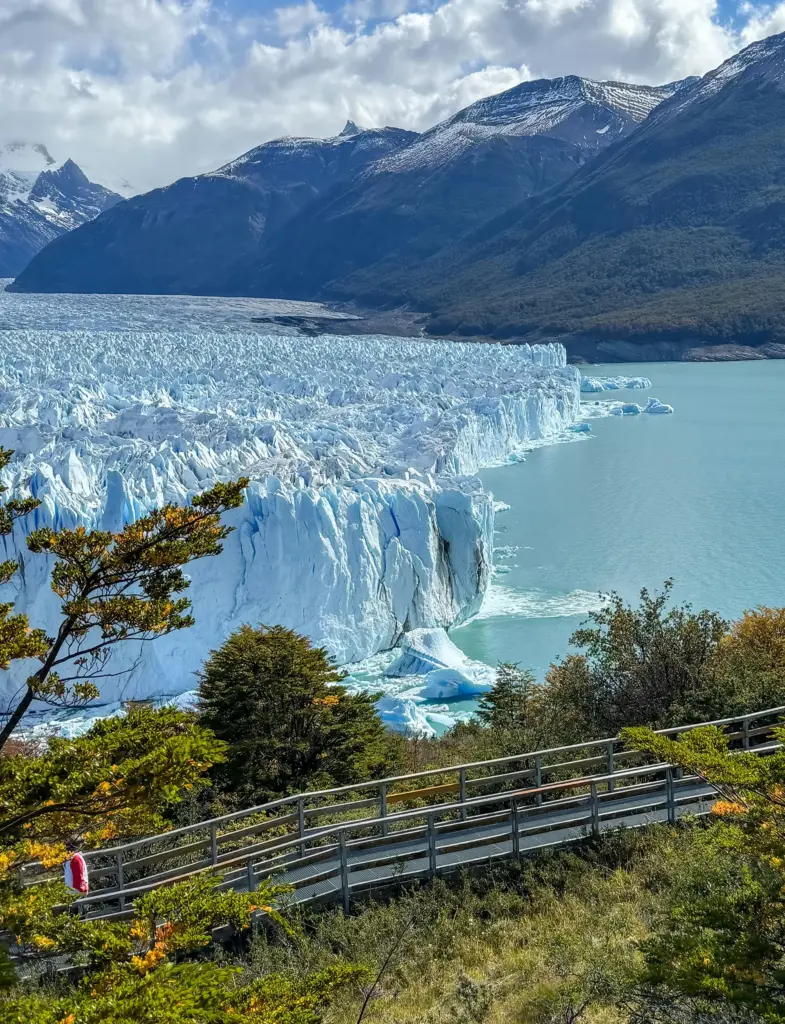
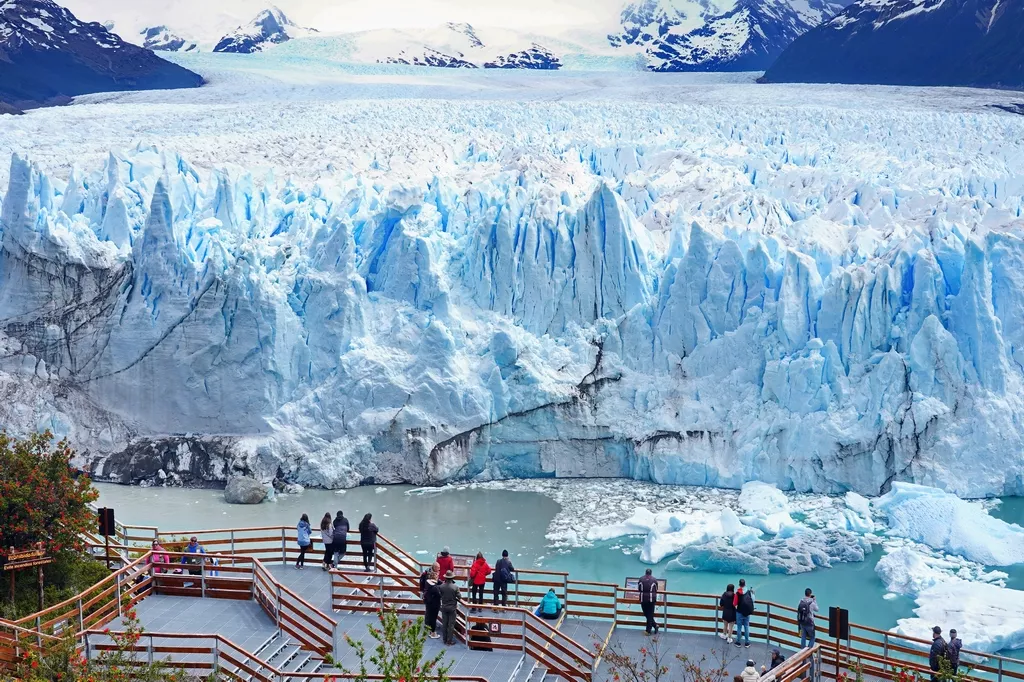
The most accessible great sight in Patagonia. A network of boardwalks faces the 60-metre ice wall, with viewpoints at different levels so you choose how much to walk, and one circuit is adapted for wheelchairs and reduced mobility. Add a one-hour boat ride on Lake Argentino to see the ice from water level and, with luck, watch a block fall into the lake. Read more in our guide to exploring the Perito Moreno Glacier.

Torres del Paine without trekking
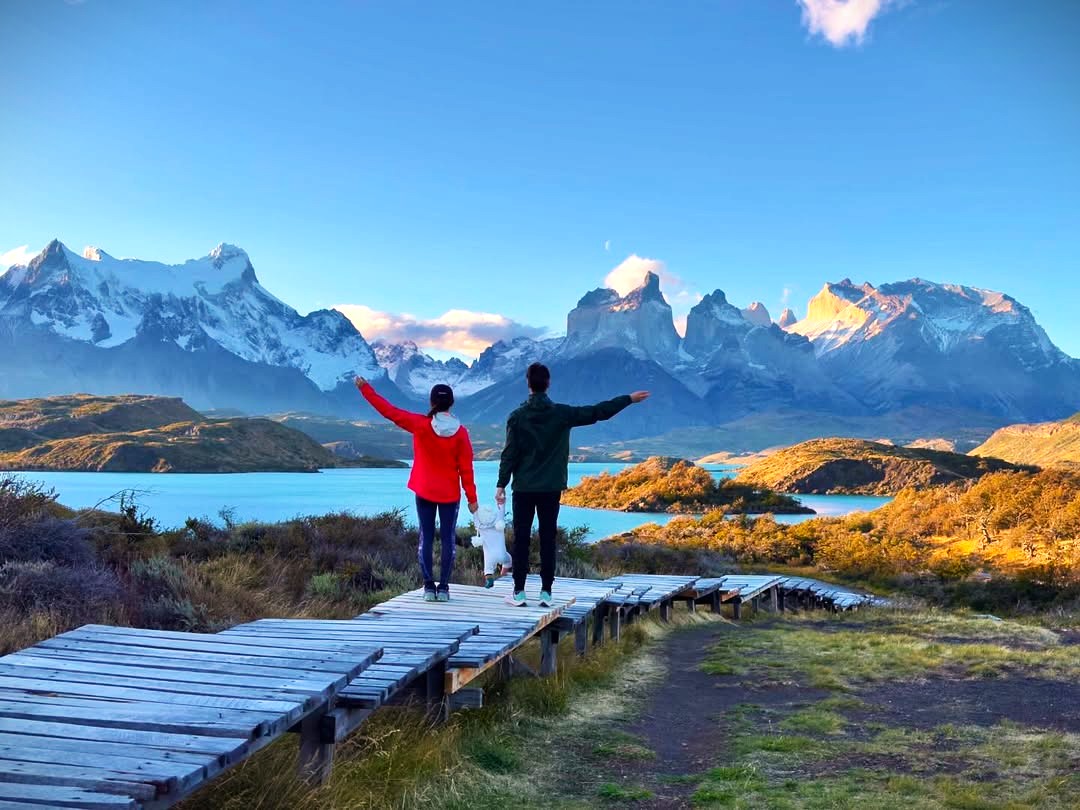
Torres del Paine is famous for its multi-day treks, but you can enjoy it by car with a private guide. The road loops past Laguna Amarga, with the first view of the granite towers, the turquoise Lake Pehoé with the Cuernos del Paine, the Salto Grande waterfall and the beach of icebergs at Lago Grey. The catamaran across Lake Pehoé and the boat to Grey Glacier add the ice without effort. For those who enjoy a gentle walk, the Mirador Cuernos trail is the best short hike in the park.
Ushuaia and the Beagle Channel
The southernmost city in the world is easy to enjoy: a boat trip on the Beagle Channel to see sea lions and the Les Éclaireurs lighthouse, the End of the World Train into Tierra del Fuego National Park, and short, flat walks by the lakes and bays of the park.
Bariloche and the Lake District
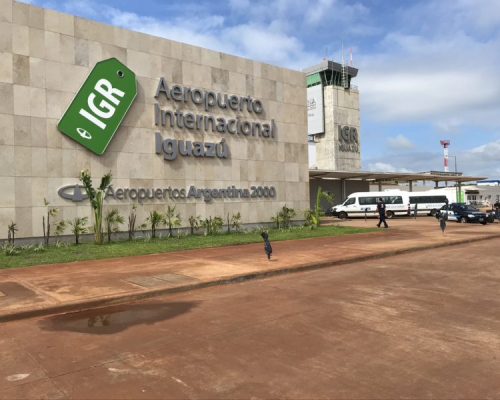
The northern gateway to Patagonia has gentle landscapes of lakes and forests. Take the chairlift up Cerro Campanario, drive the Circuito Chico, visit the Arrayanes forest by boat and cross the Andes to Puerto Varas in Chile through the lakes, a full day by boat and coach with almost no walking.
El Chaltén and Mount Fitz Roy
The trekking capital of Argentina also works for gentle walkers: the viewpoints near the village show Fitz Roy on clear days, and a private driver can take you to lakes and waterfalls on the road north. Leave the long hikes to Laguna de los Tres for those who want them.
Getting there and around: transfer times
Long road days tire travellers more than any walk. These are the usual connections, so you can see why we plan Patagonia around flights:
| Journey | How | Time (about) |
|---|---|---|
| USA (Miami, New York, Dallas, Atlanta, Houston) to Buenos Aires or Santiago | Overnight flight | 9–11 hours |
| Buenos Aires to El Calafate | Flight | 3 h 20 min |
| Buenos Aires to Ushuaia | Flight | 3 h 30 min |
| Santiago to Punta Arenas | Flight | 3 h 30 min |
| Santiago to Puerto Natales (high season) | Flight | 3 h 15 min |
| Punta Arenas to Puerto Natales | Private transfer | 3 hours |
| Puerto Natales to Torres del Paine | Private transfer | 1 h 30 min – 2 hours |
| El Calafate to Puerto Natales (border crossing) | Private transfer | 5–7 hours |
| El Calafate to El Chaltén | Private transfer | 3 hours |
| Bariloche to Puerto Varas | Lakes crossing by boat and coach | A full day |
Our rule for senior travellers: no more than one long transfer in two days, a rest afternoon after each flight, and private vehicles so you can stop whenever you like.
Where to stay: town hotel, park lodge or estancia?
| Where you stay | Best for | Keep in mind |
|---|---|---|
| Town hotels in El Calafate, Puerto Natales, Ushuaia and Bariloche | Comfort, restaurants, pharmacies and short transfers to the airport | Daily drives to the parks: about 1 h 30 min from El Calafate to Perito Moreno |
| Lodges inside or next to the parks | Waking up in front of the mountains, no daily driving | Rooms are often spread across the grounds; ask for rooms close to the main building |
| Estancias (historic sheep ranches) | Quiet, authentic stays with asados and horses | Remote; fewer services nearby |
We usually combine a hotel in town on arrival with a lodge inside the park for the highlight of the trip. We check details that matter, such as lifts, rooms near the main building, walk-in showers and quiet rooms, before we book.
Sample Patagonia itineraries for seniors
10 days in Argentine Patagonia: glaciers and the end of the world
Buenos Aires (2 nights) → El Calafate (4 nights, with the Perito Moreno Glacier, a lake cruise and an estancia) → Ushuaia (3 nights, Beagle Channel and the End of the World Train) → Buenos Aires (1 night). Only flights, no long road transfers.
Overland, train or boatFlight
13 days in Argentina and Chile: Perito Moreno and Torres del Paine
Buenos Aires (2 nights) → El Calafate (3 nights) → private transfer across the border to Torres del Paine (4 nights in a park lodge) → Punta Arenas and flight to Santiago (2 nights) → home. One long road day, broken with stops.
Overland, train or boatFlight
Our Argentina and Chile Southern Soul (16 days) and Chile Highlights (13 days) itineraries are good starting points, and we adapt their pace for every group. See all our Patagonia tours.
Health, insurance and packing
- Travel insurance with medical cover and evacuation is essential; Torres del Paine and El Chaltén are a long way from hospitals.
- Medicines: bring enough for the whole trip in your hand luggage, with prescriptions.
- Layers: a windproof and waterproof jacket, a fleece, gloves, a warm hat and sunglasses, even in summer.
- Footwear: comfortable walking shoes with good grip; trekking poles help on windy viewpoints.
- Sun: the ozone layer is thin over southern Patagonia, so use high-factor sunscreen.
- Mobility needs: tell us in advance about walking limits, wheelchairs or dietary needs, so we can choose hotels, vehicles and visits that fit.
Why a private tour instead of a group tour?
- Your pace: later starts, longer lunches and rest afternoons, with no group to keep up with.
- Fewer hotel changes: we build the route around longer stays, not one-night stops.
- Private vehicles and guides who wait for you at every viewpoint and adapt plans to the wind and weather.
- Hotels chosen for comfort, not for the size of a group.
Tell us how you like to travel and we will design your trip: start planning a tailor-made Patagonia trip.
Frequently asked questions
Is Patagonia suitable for older travellers?
Yes. There is no high altitude, and the main sights, such as the Perito Moreno Glacier, Torres del Paine viewpoints, the Beagle Channel and the Lake District, can be visited from boardwalks, boats, trains and short walks.
Do I need to hike to see Torres del Paine?
No. With a private guide and vehicle you can see the towers, the Cuernos, Lake Pehoé, Salto Grande and Lago Grey from the road and from short paths. Boats on Lake Pehoé and Lago Grey bring you close to the mountains and glaciers.
What is the best month to visit Patagonia for seniors?
March and April combine good weather, calmer winds and fewer visitors. November and December are also excellent. January and February are the warmest but the windiest and busiest.
How many days do I need in Patagonia?
Plan 10 days for Argentine Patagonia, or 12 to 14 days to combine the Perito Moreno Glacier with Torres del Paine in Chile at a comfortable pace.
Is the Perito Moreno Glacier wheelchair accessible?
Part of it is. One of the boardwalk circuits is adapted for reduced mobility, and the boat rides offer another way to see the glacier. Tell us your needs and we will confirm the current conditions before you travel.
How do you get from the USA to Patagonia?
Fly overnight from Miami, New York, Dallas, Atlanta or Houston to Buenos Aires or Santiago, rest a night, then take a domestic flight of about three hours to El Calafate, Ushuaia, Punta Arenas or Puerto Natales.
Is Patagonia very windy?
Yes, especially from December to February. Wind is part of the experience, but it can make viewpoints uncomfortable. A private guide times each visit around the weather.
Ready to Experience This Firsthand?
Our travel consultants in Cusco design your itinerary around your dates, pace and hotel style.

Wilfredo Zúñiga Huamanguillas
Anthropologist | South America Travel Expert | Cultural & Nature EnthusiastAnthropologist and South America travel expert with 11 years of experience in tourism, trained at the Universidad Nacional de San Antonio Abad del Cusco. Wilfredo writes about the people, traditions and landscapes of the continent, from the Andes and Machu Picchu to Patagonia, Brazil and the Amazon.
More about Wilfredo →