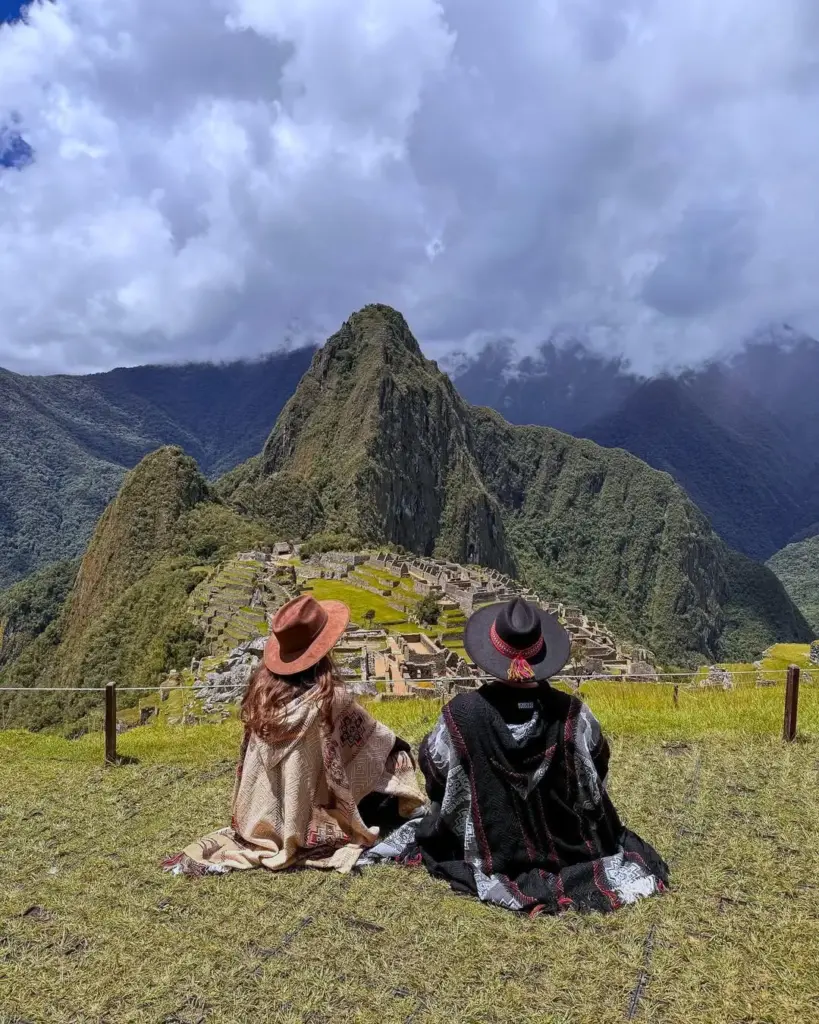
Peru is one of the most rewarding countries in South America to visit with children. Within a few days they can feed alpacas in the Andes, ride a train through a canyon to a lost Inca city, watch sea lions on Pacific islands and look for macaws in the Amazon. The secret is to plan around three things that matter more to families than to anyone else: altitude, pace and distances.
We plan family trips across Peru from our office in Cusco every year. This guide brings together what we have learned: which ages enjoy what, a gentle altitude plan, sample itineraries from 8 to 16 days, the best activities by region and how to match your school holidays to the Peruvian seasons.
Is Peru good for a family vacation?
Yes. Peru combines history that children can touch, with Inca walls, terraces and stairways everywhere, with animals, trains, boats and food that most children enjoy. Peruvians are warm with families, and children are welcome in restaurants and hotels.
The challenges are practical rather than cultural:
- Altitude. Cusco sits at about 3,400 m and Lake Titicaca at 3,812 m. Children adapt as well as adults, but they need a gentle start and someone watching for symptoms.
- Distances. Lima, Cusco, Lake Titicaca and the Amazon are far apart. Short domestic flights save whole days of driving.
- Early starts. Machu Picchu, the train and many tours begin early. Build rest days into the trip and keep afternoons free.
A private guide and driver solve most of this: you stop when a child needs a break, skip what does not work for your family and change plans on the day.
Peru with kids by age
Every child is different, but this is how we usually adapt a Peru trip to each age group:
| Age | What works well | What to skip or adapt |
|---|---|---|
| 0–2 | Lima, the Sacred Valley, short visits to Machu Picchu in a soft baby carrier, slow days with long naps | Long day trips from Cusco, the Amazon (yellow fever vaccine is not given under 9 months), high places such as Lake Titicaca |
| 3–5 | Llamas and alpacas, markets, the train to Machu Picchu, sea lions at the Ballestas Islands, the Magic Water Circuit in Lima | Hikes, very early starts, more than one long drive in a day |
| 6–9 | Machu Picchu with a storytelling guide, chocolate workshop, salt pans of Maras, reed islands of Lake Titicaca, Amazon lodges | Multi-day treks; keep altitude days gentle |
| 10–12 | Dune buggies and sandboarding in Huacachina, zip lines and via ferrata in the Sacred Valley, the one-day Inca Trail, canopy walks in the Amazon | Rainbow Mountain (about 5,000 m) unless the child is well acclimatised |
| 13+ | The classic four-day Inca Trail, Huayna Picchu, rafting on the Urubamba, Rainbow Mountain, homestays on Lake Titicaca | Nothing in particular: plan it like an adult trip with more rest |
Machu Picchu has no minimum age. Children under 3 enter free and young people aged 3 to 17 pay a reduced ticket, according to the 2026 rates published by Peru’s state news agency, Andina. Children need their passport to enter, just like adults.
A gentle altitude plan for children
The order of your trip matters more than anything else. This is the route we use with families:
- Fly from Lima to Cusco and drive straight down to the Sacred Valley, at about 2,800–2,900 m, roughly 500 m lower than Cusco. Spend your first two or three nights there.
- Visit Machu Picchu next. At 2,430 m it is lower still, and sleeping one night in Aguas Calientes breaks up the journey.
- Sleep in Cusco only after that, when everyone is acclimatised.
- Save the highest places for the end: Lake Titicaca, Rainbow Mountain or Bolivia.
Keep the first day light, offer plenty of water and simple meals, and make sure children rest. Headache, nausea, unusual tiredness or poor sleep are the usual signs of altitude sickness; tell your guide, who can adapt the day. Speak to your paediatrician before you travel, especially for babies and children with heart or breathing conditions, and only give altitude medicine on medical advice.
Sample Peru family itineraries
| Trip | Route | Best for |
|---|---|---|
| 8 days | Lima (1 night) → Sacred Valley (3) → Machu Picchu, sleeping in Aguas Calientes (1) → Cusco (2) | A first trip with young children, or a school holiday week |
| 11 days | Lima and Paracas (3) → Sacred Valley (3) → Machu Picchu (1) → Cusco (3) | Families who want wildlife and the desert as well as the Incas |
| 14 days | Lima (2) → Sacred Valley (3) → Machu Picchu (1) → Cusco (2) → Lake Titicaca (2) → Tambopata in the Amazon (3) | Children of 7 and over who enjoy variety |
| 16 days | The 14-day route, then across Lake Titicaca into Bolivia for La Paz and the Uyuni Salt Flats | Teenagers and adventurous families |
Our 14-day Peru and Bolivia itinerary and the longer 16-day Peru and Bolivia Discovery work well for families with older children. For a shorter visit, the 8-day Machu Picchu itinerary covers the essentials. We adapt every route to the ages in your group: tell us about your family and we will draft a first plan.
The best things to do in Peru with kids
These are the places and activities that work best for families, from the coast to the Amazon. The numbers on the map match the sections below.
1. Lima: the Magic Water Circuit, beaches and food
Spend at least one night in Lima to recover from the flight. The Magic Water Circuit (Circuito Mágico del Agua), a park of illuminated fountains you can walk through, is a hit with children in the evening. Walk the clifftop parks of Miraflores, watch the paragliders, and visit the colourful streets of Barranco. A family cooking class is a fun way to try ceviche, fruits and Peruvian desserts.
Best agesAll ages
AltitudeSea level
Time1–2 days
Family tipChoose a hotel in Miraflores or Barranco, close to the ocean parks
2. Paracas and the Ballestas Islands
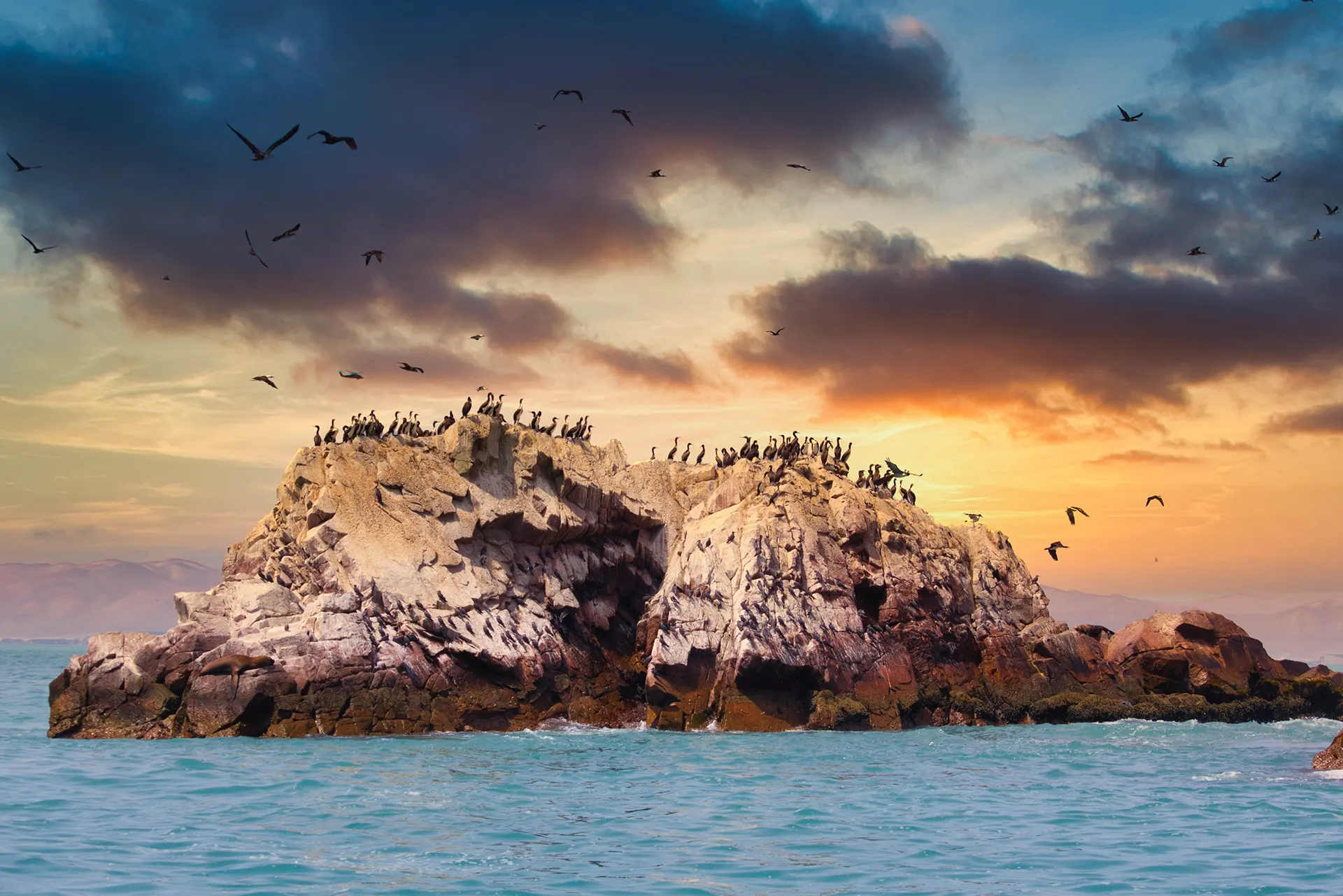
A three-hour drive south of Lima, the boat trip to the Ballestas Islands is one of the best wildlife experiences in Peru for small children: sea lions, Humboldt penguins and thousands of seabirds, in a ride of about two hours. On the way, the boats pass the giant Candelabra geoglyph carved into the hillside.
Best ages3+
AltitudeSea level
Time1–2 days
Family tipTake the first boat of the morning, when the sea is calmest
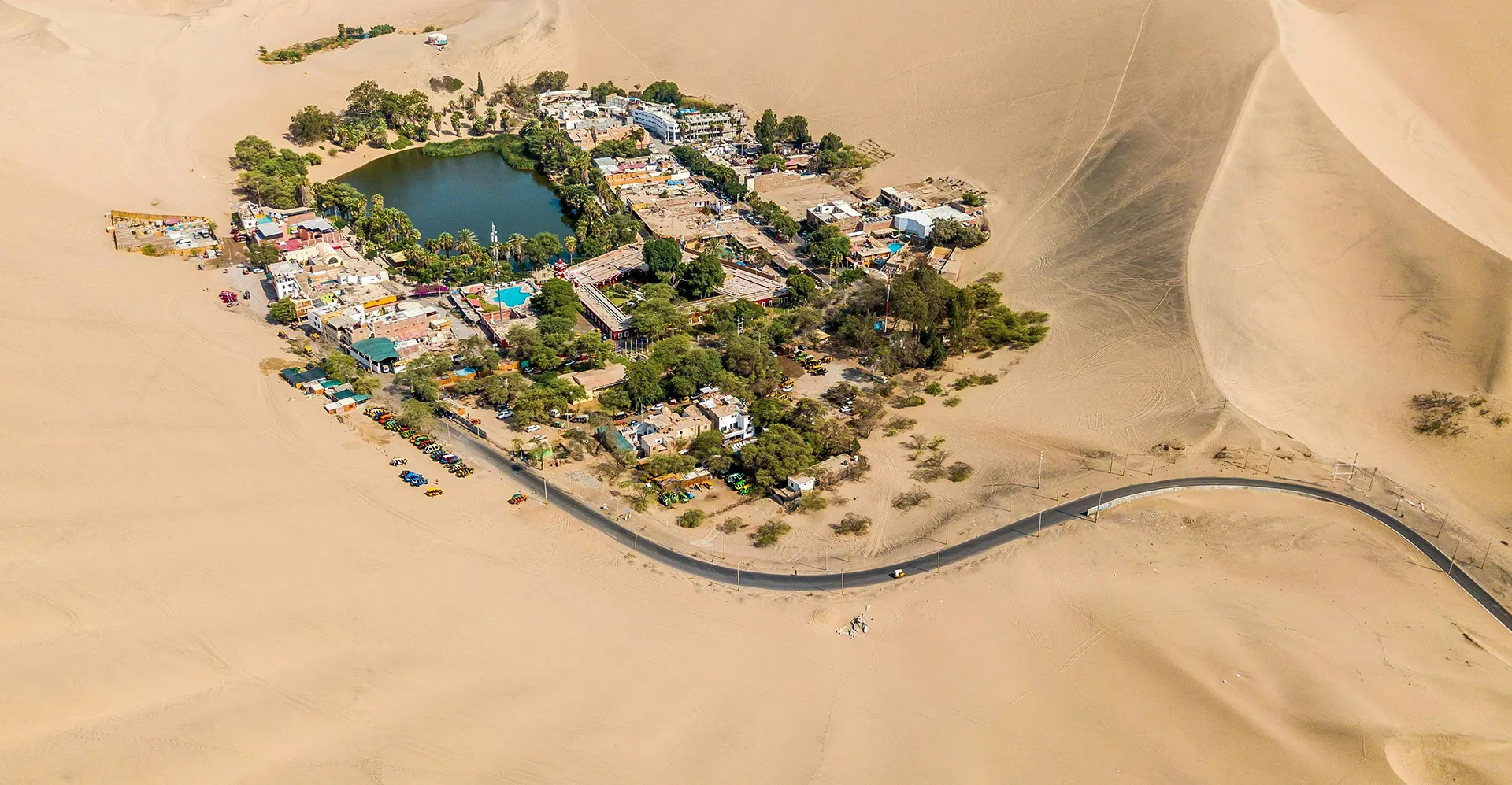
3. Huacachina: dune buggies and sandboarding
The desert oasis of Huacachina, near Ica, is pure adventure for older children: a roller-coaster ride in a dune buggy over huge sand dunes, followed by sandboarding down the slopes, lying on the board or standing up. Operators set their own minimum ages, so we choose the right company for your family.
Best ages8+ for buggies
AltitudeAbout 400 m
TimeHalf a day
Family tipGo in the late afternoon, when the sand is cooler and the sunset is spectacular
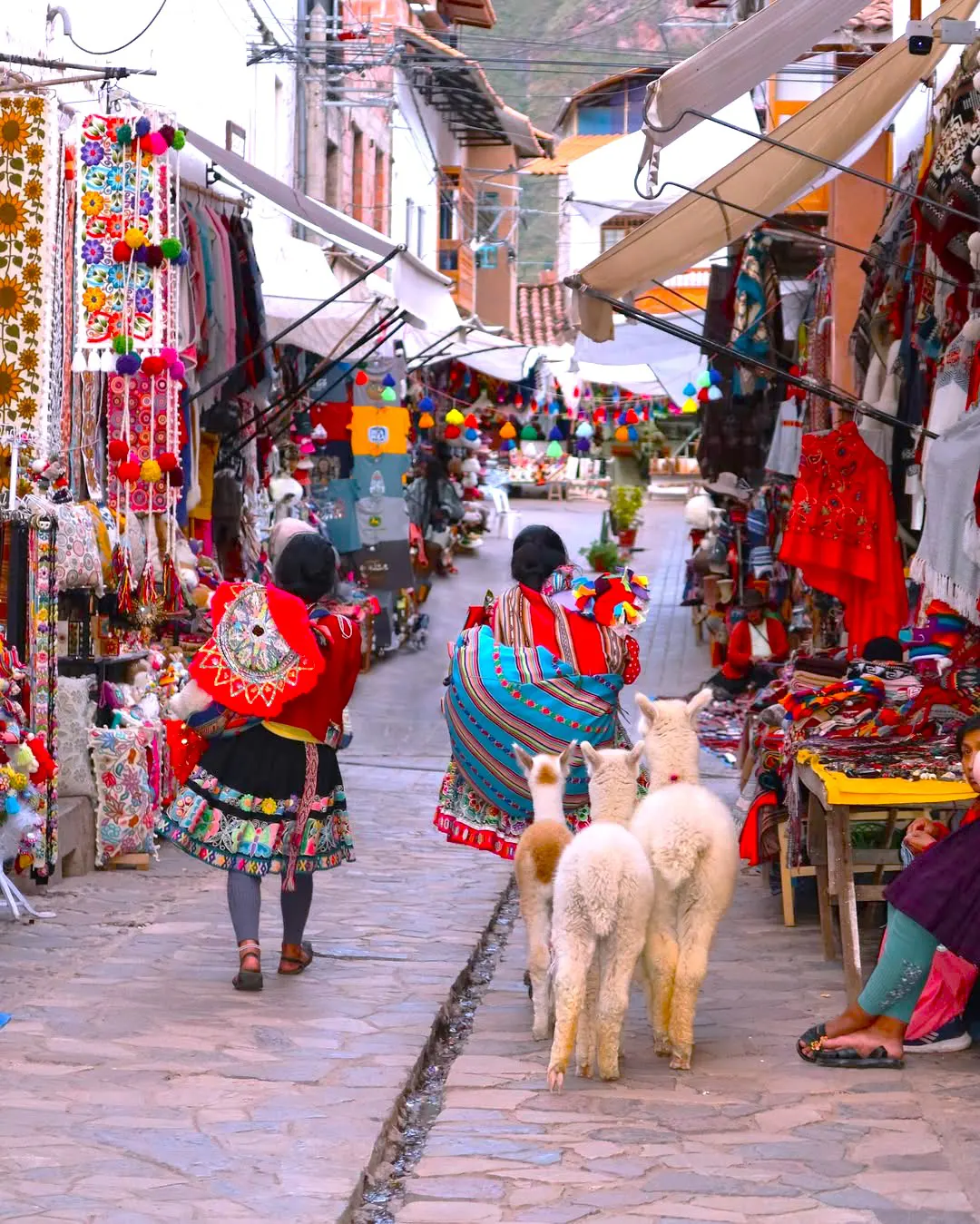
4. Llamas and alpacas at Awana Kancha
On the road from Cusco to the Sacred Valley, Awana Kancha is a centre for Andean camelids where children can feed llamas, alpacas, vicuñas and guanacos and learn the difference between them. Weavers show how wool is spun and dyed with plants, insects and minerals. It is a perfect first stop on arrival day. Read more in our guide to where to see llamas in Cusco.
Best agesAll ages
AltitudeAbout 3,600 m
Time1 hour
Family tipCombine it with the drive to the Sacred Valley

5. Pisac market and ruins
Pisac’s market is full of colour: hats, toys, textiles, fruit and bread baked in clay ovens. Children enjoy choosing a souvenir and trying exotic fruits such as granadilla and lúcuma. Above the village, the Inca terraces of Pisac are impressive even from the car park, so you can choose a short walk or a longer exploration.
Best agesAll ages
AltitudeAbout 3,000 m
TimeHalf a day
Family tipMarket days are busiest; mornings are calmer for small children
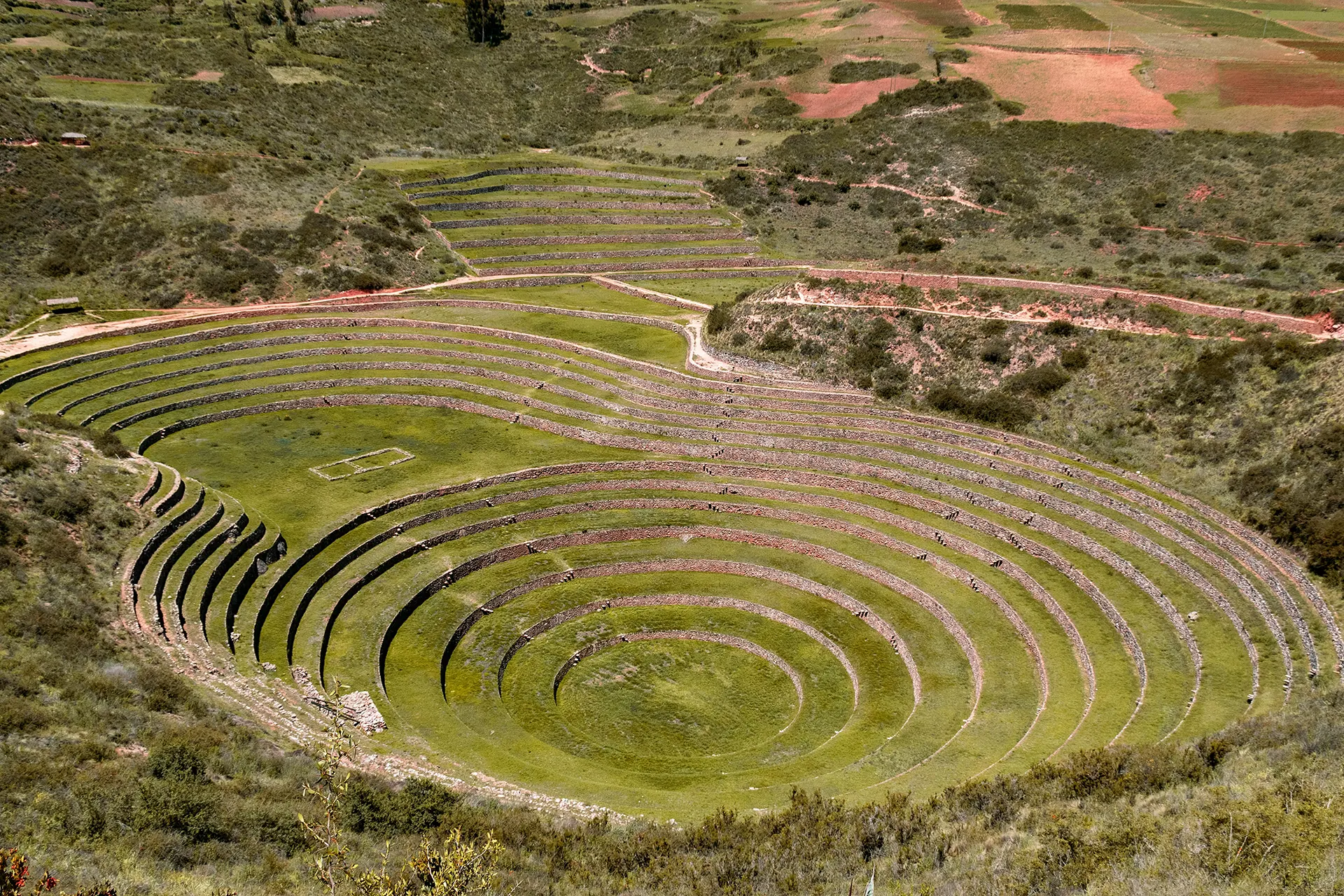
6. The salt pans of Maras and the terraces of Moray
The thousands of white salt pools of Maras, still worked by local families, fascinate children, and they can taste the salt straight from the source. Nearby, the circular terraces of Moray look like a giant amphitheatre and were probably an Inca agricultural laboratory. For older children, the area also offers mountain biking, quad bikes and a via ferrata with a zip line.
Best ages4+
AltitudeAbout 3,000–3,500 m
TimeHalf a day
Family tipBring hats and sunscreen: the sun is strong at altitude
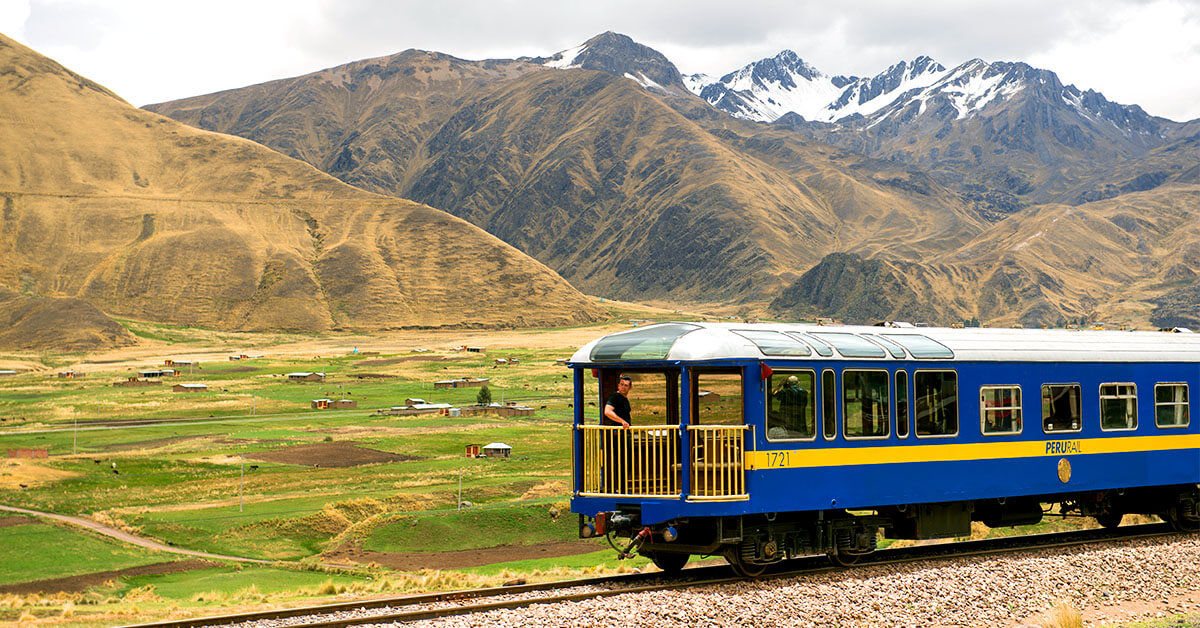
7. Ollantaytambo and the train to Machu Picchu
Ollantaytambo is a real Inca town, with stone streets and water channels still in use, and a great place for children to imagine life 500 years ago. It is also where most families board the train to Machu Picchu: the panoramic carriages, with windows in the roof, follow the Urubamba River through the canyon for about 90 minutes, and for many children the ride is a highlight of the trip.
Best agesAll ages
Altitude2,800 m
Time1 day
Family tipAsk for panoramic carriages and seats on the river side
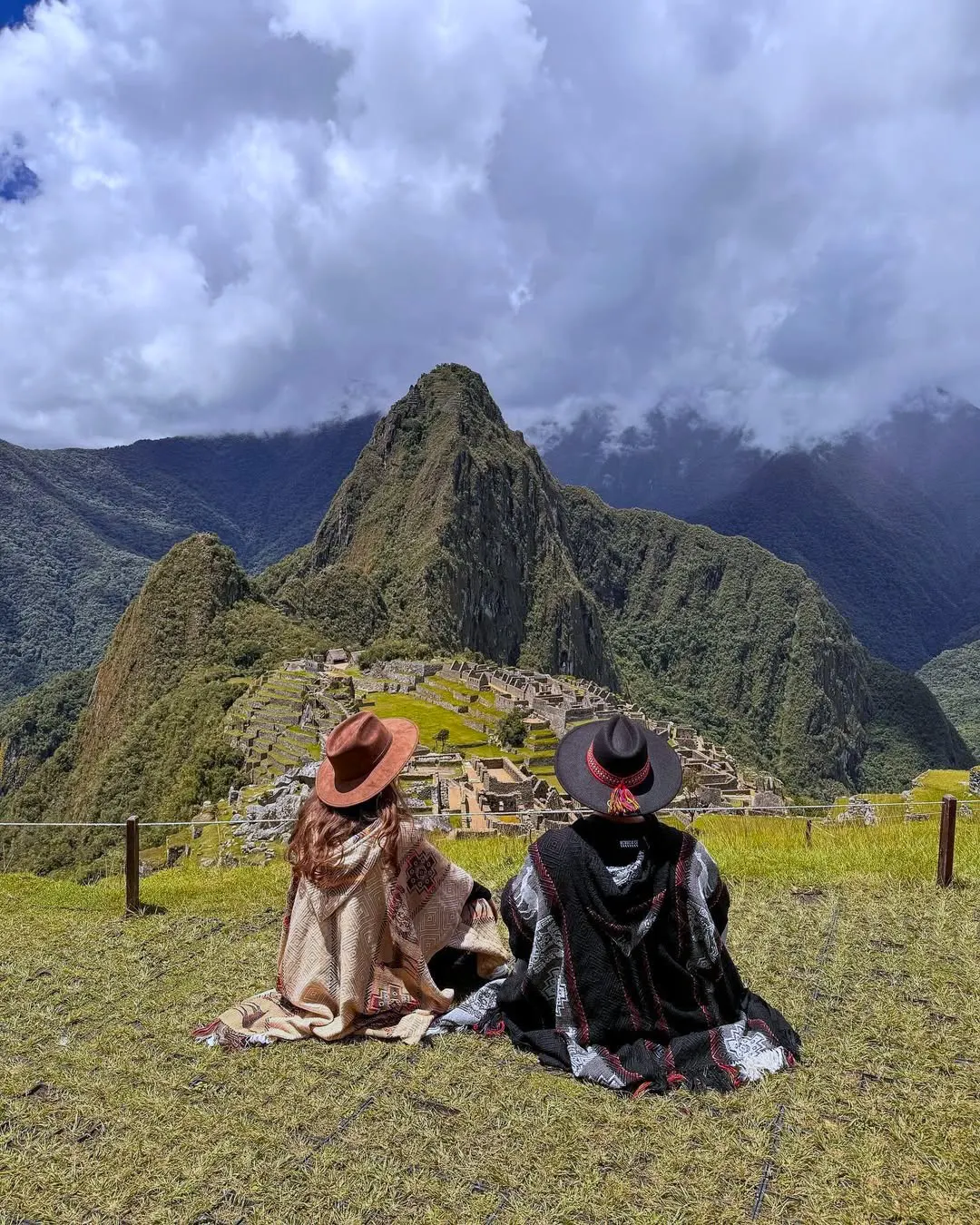
8. Machu Picchu with children
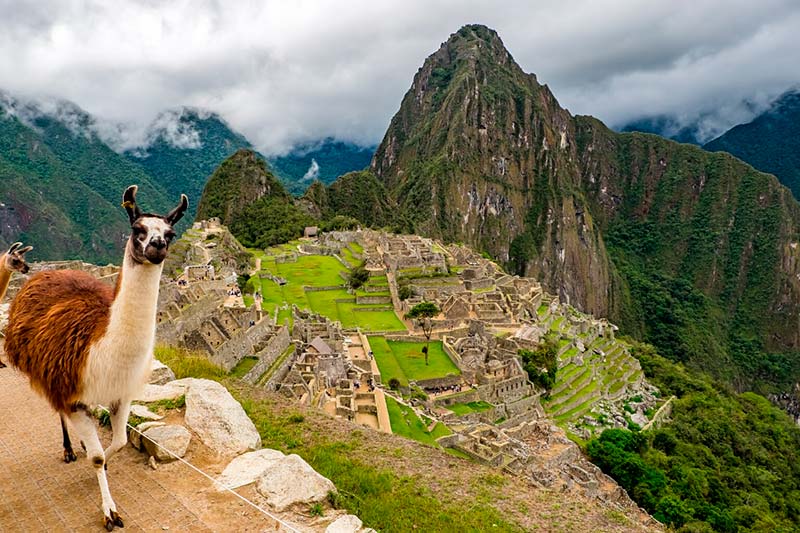
Machu Picchu is the highlight of any Peru family vacation, and it is easier with kids than many parents expect. A bus climbs from Aguas Calientes to the entrance in about 25 minutes, and the circuits inside follow stone paths and stairways, with no extreme sections. To make it a success:
- Sleep in Aguas Calientes the night before or after, so the visit is not one exhausting day trip from Cusco.
- Choose a private guide who tells stories, about the Incas, the llamas that live on the site and the explorers who reached it, rather than dates and architecture.
- Bring a soft baby carrier for small children: strollers are not practical or allowed on the stone paths.
- Carry snacks and water; there are no restaurants or toilets inside the site, only at the entrance.
- Huayna Picchu is a steep climb on narrow, exposed Inca stairs. We recommend it only for confident teenagers, and check the current age rules when booking.
See our guide to the best time to visit Machu Picchu to choose your month.
Best ages3+ (all ages in a carrier)
Altitude2,430 m
Time1 day, plus a night in Aguas Calientes
Family tipBook tickets and trains early from May to October
9. Cusco: chocolate, planetarium and San Pedro market
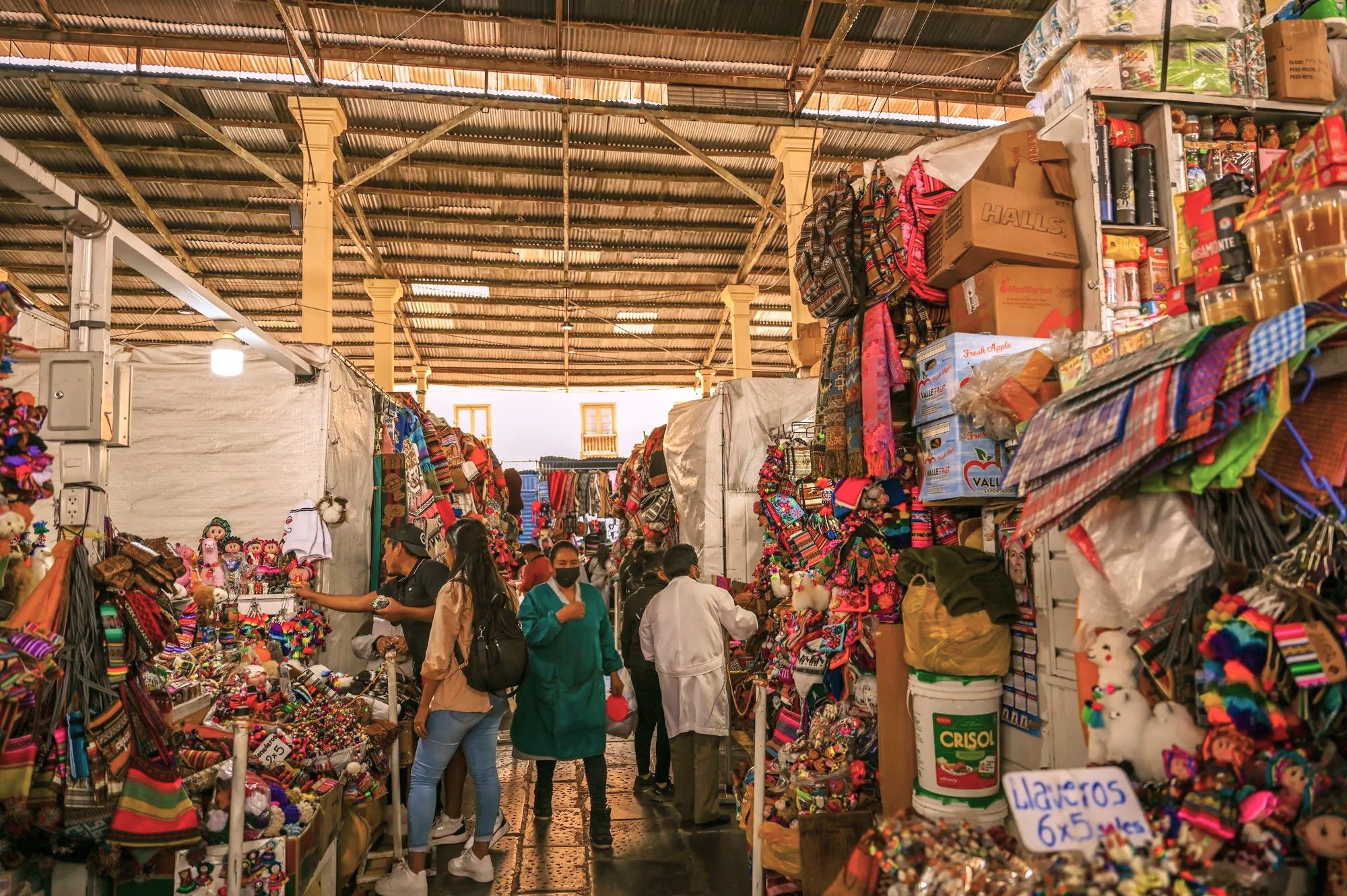
Once acclimatised, Cusco is full of family activities. A bean-to-bar chocolate workshop lets children make their own chocolate from Peruvian cacao. The small Cusco planetarium explains how the Incas read the stars, a great evening activity. San Pedro market is a feast of juices, breads and fruit, and the walls of the Coricancha and the giant stones of Sacsayhuamán make the Incas real for any child. The Cusco tourist ticket covers many of these sites.
Best agesAll ages
Altitude3,400 m
Time2–3 days
Family tipVisit Cusco after the Sacred Valley and Machu Picchu, when everyone is acclimatised
10. Lake Titicaca and the Uros floating islands
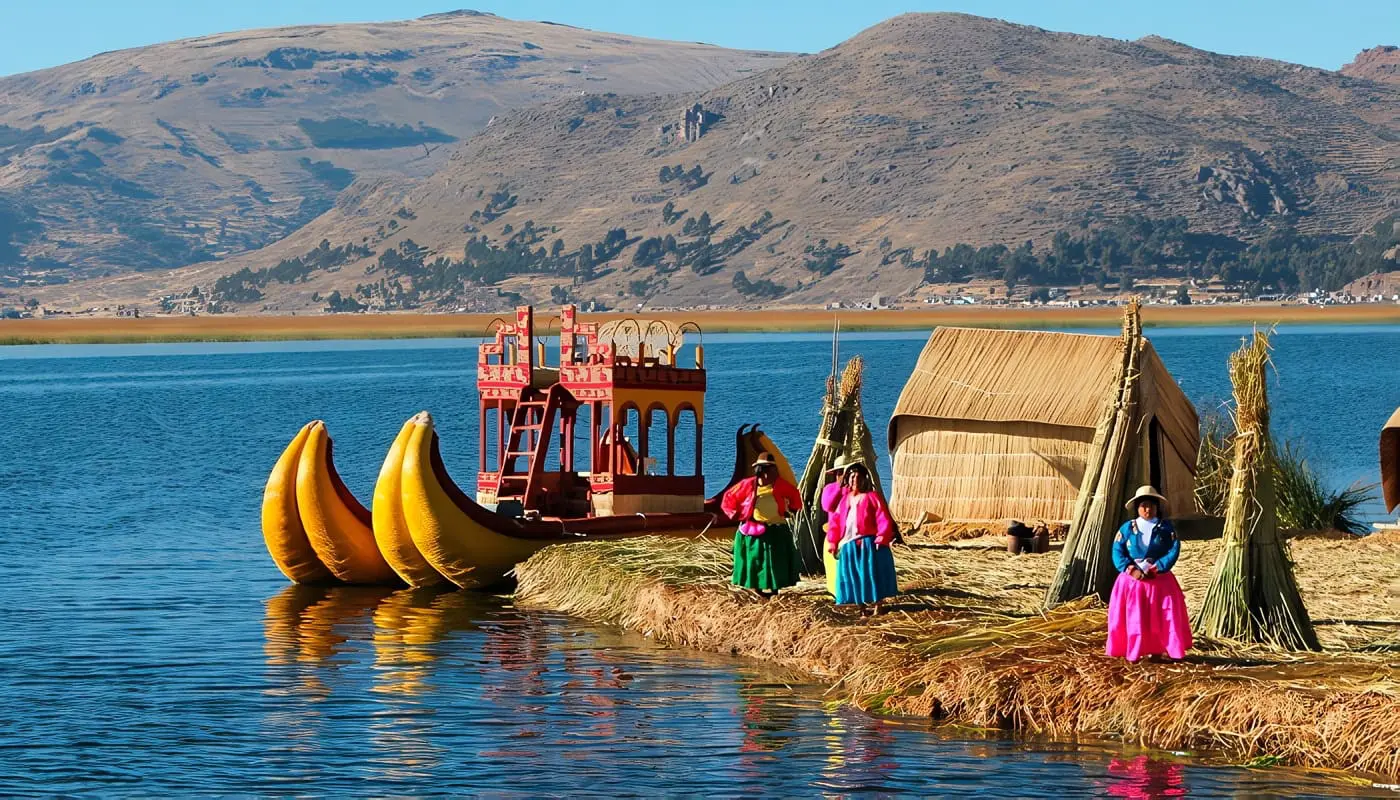
The Uros people live on islands woven from totora reeds, and walking on the soft, springy ground is unforgettable for children. Families can ride a reed boat, see how the islands are built and continue to Taquile island for lunch. The journey from Cusco on the Titicaca train, with an observation car, is a full-day adventure. Because of the altitude, Lake Titicaca works best at the end of the trip and for children of 6 and over.
Best ages6+
Altitude3,812 m
Time2 days
Family tipPlan it at the end of your trip, once the family is acclimatised
11. The Amazon at Tambopata
A short flight from Cusco or Lima to Puerto Maldonado leads to the Tambopata rainforest, where family-friendly lodges offer night walks to look for frogs and insects, canopy towers, boat trips on oxbow lakes with giant otters and early-morning visits to clay licks where hundreds of macaws gather. Three nights is ideal. Ask your doctor about the yellow fever vaccine and malaria prevention for the Amazon well before you travel.
Best ages5+
AltitudeAbout 200 m
Time3 nights
Family tipChoose a lodge with family rooms and guided activities for children

When to visit Peru with kids: school holidays and seasons
The dry season in the Andes, from May to October, has the most reliable weather for Cusco and Machu Picchu. The rainy season, from December to March, brings afternoon showers in the mountains but sunny weather to the coast. This is how the main school holidays of our travellers fit the Peruvian seasons:
| Your school holiday | Season in Peru | What it means for your trip |
|---|---|---|
| US and Canada summer (June–August) | Dry season in the Andes | Best weather for Cusco and Machu Picchu, but the busiest months: book tickets and trains 4–6 months ahead. Lima is grey and cool. |
| Singapore mid-year (late May–June) | Start of the dry season | Excellent: clear skies and fewer visitors than in July and August. |
| Hong Kong and UK summer (mid-July–August) | Dry season, peak demand | Great weather; Peruvian families also travel in late July around the national holidays of 28 and 29 July, so book early. |
| Easter and spring break (March–April) | End of the rainy season | Green landscapes and fewer crowds; some afternoon showers in the Andes. |
| Christmas and New Year (December–January) | Rainy season in the Andes, summer on the coast | Combine sunny Lima and Paracas with Cusco; expect rain most afternoons in the mountains. |
| Late year break (November–December) | Shoulder to rainy season | Good value and quiet sites in November; the Inca Trail stays open until it closes for maintenance in February. |
For month-by-month weather, see our guide to the best time to visit Peru.
Where to stay in Peru with children
- Lima: Miraflores or Barranco, close to the ocean parks and restaurants.
- Sacred Valley: a hotel with gardens and space to run, between Urubamba and Ollantaytambo. This is the best base for acclimatisation.
- Machu Picchu: a night in Aguas Calientes, close to the bus station.
- Cusco: a hotel within walking distance of the main square, ideally with family rooms or connecting rooms.
- Lake Titicaca and the Amazon: lodges with family suites and activities for children.
We choose hotels for families with connecting rooms, family suites, quiet locations and flexible meal times, and confirm them before we book.
Food, health and safety
- Food: Peruvian cuisine is very child-friendly: chicken and rice, potatoes in endless varieties, corn, fresh juices and pancake-style desserts. Lomo saltado and pollo a la brasa are reliable favourites.
- Water: drink bottled or filtered water only, also for brushing teeth.
- Sun: the UV index in the Andes is very high. Pack hats, sunglasses and high-factor sunscreen even on cloudy days.
- Layers: mornings and evenings in Cusco are cold, middays warm. Bring fleeces and a waterproof jacket for every child.
- Vaccines: check with your doctor or travel clinic, especially for the Amazon.
- Safety: the main tourist areas are well used to families. Private transfers and a guide who knows each place remove most of the stress.
Packing list for a Peru family trip
- Passports for every child, plus a copy
- A soft baby carrier for toddlers (no stroller needed outside Lima)
- Warm layers, a waterproof jacket and a hat for each child
- Comfortable shoes with good grip for stone paths and stairs
- Sunscreen, sunglasses and lip balm
- Insect repellent for the Amazon and Machu Picchu
- Reusable water bottles and favourite snacks
- Headphones, cards and books for train rides and flights
Frequently asked questions
Is Peru safe for a family vacation?
Yes. The main routes, including Lima, Cusco, the Sacred Valley, Machu Picchu and Lake Titicaca, receive families every day. Use private or registered transport, keep valuables out of sight in cities and follow your guide’s advice.
What is the best age to take kids to Machu Picchu?
From around 5 or 6, children walk the circuits themselves and enjoy the stories. Younger children can visit in a baby carrier. Teenagers can add Huayna Picchu or the Inca Trail.
Can children get altitude sickness in Cusco?
Yes, children can feel the altitude like adults. Sleep first in the lower Sacred Valley, keep the first days easy and watch for headache, nausea or unusual tiredness. Ask your paediatrician before travelling.
How many days do we need in Peru with kids?
Eight days cover Lima, the Sacred Valley, Machu Picchu and Cusco at a family pace. With 11 to 14 days you can add Paracas, Lake Titicaca or the Amazon.
Do children pay for Machu Picchu?
Children under 3 enter free, and those aged 3 to 17 pay a reduced ticket. Train companies also offer child fares.
Can we do the Inca Trail with children?
The classic four-day Inca Trail suits fit teenagers. For younger children, the one-day Inca Trail, which reaches Machu Picchu through the Sun Gate after a 6–7 hour hike, is a great alternative from about 10 years old.
When is the best time to visit Peru with kids?
May, June, September and October combine dry weather in the Andes with fewer crowds. July and August are also dry but are the busiest months, so book early.
Ready to Experience This Firsthand?
Our travel consultants in Cusco design your itinerary around your dates, pace and hotel style.

Wilfredo Zúñiga Huamanguillas
Anthropologist | South America Travel Expert | Cultural & Nature EnthusiastAnthropologist and South America travel expert with 11 years of experience in tourism, trained at the Universidad Nacional de San Antonio Abad del Cusco. Wilfredo writes about the people, traditions and landscapes of the continent, from the Andes and Machu Picchu to Patagonia, Brazil and the Amazon.
More about Wilfredo →