Is South America safe? For the routes most travellers follow, from Machu Picchu and the Uyuni Salt Flats to Patagonia, Iguazú Falls, Rio de Janeiro and the Galápagos, the answer is yes, with the same common sense you would use in any big city. The real risks are well known and easy to plan around: petty theft and fake taxis in the cities, protests and road blockades, and the rain. The regions that governments ask visitors to avoid are mostly remote border and jungle areas, far from the classic routes.
This guide brings together the official travel advice for the nine countries where we plan trips, as it stood on 29 October 2026, with what it means for your route and how we plan around it. Advice changes, so always read your own government’s pages before you book and again before you travel.
The short answerYes, the classic routes are visited safely by millions of travellers every year, with sensible precautions.
What to watch forPetty theft and fake taxis in the big cities, protests and road blockades, and rain or landslides in the wet season.
Areas to avoidMostly remote border and jungle regions, far from Machu Picchu, Patagonia, Iguazú or Rio; the big exception is Ecuador’s coast.
Before you bookRead your own government’s travel advice for each country, and keep checking it until you travel.
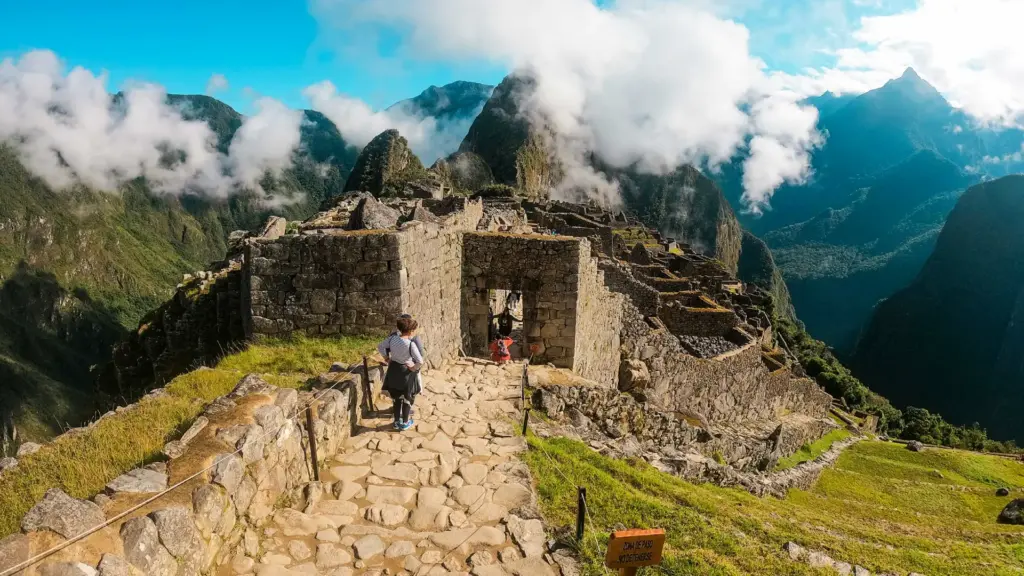
Is South America safe? Country by country
The table follows the travel advice of the UK Foreign, Commonwealth & Development Office (FCDO), which publishes precise maps of the areas it advises against. US travellers should read the US State Department advisories, Canadians travel.gc.ca and Australians Smartraveller.
| Country | Areas the UK advises against (all but essential travel) | What visitors should watch for | The classic route |
|---|---|---|---|
| Peru | The VRAEM valleys, and the area along the Putumayo River on the Colombian border (Loreto) | Street crime in Lima, Cusco and Arequipa, fake taxis, protests that can stop the trains to Machu Picchu, landslides in the rainy season | Lima, the Sacred Valley, Machu Picchu, Cusco and Lake Titicaca are outside the restricted areas |
| Bolivia | The Chapare region of Cochabamba, including Villa Tunari and highways 4 and 24 | Protests and road blockades, petty crime in La Paz, taxi robberies and incidents at overland borders | La Paz, Lake Titicaca, Tiwanaku and the Uyuni Salt Flats are outside it |
| Chile | None | Pickpocketing and muggings in Santiago and Valparaíso, unlicensed airport taxis, earthquakes, wildfires and active volcanoes | The Atacama, the Lake District, Torres del Paine and Easter Island |
| Argentina | None | Pickpockets on public transport and in busy areas of Buenos Aires, occasional road blockades | Buenos Aires, Iguazú Falls, Patagonia, Bariloche and Mendoza |
| Brazil | Remote river areas in the west of Amazonas State | Robberies, including on city beaches and in crowds, phone theft, unlicensed taxis, favelas (including favela tours), landslides in heavy rain | Rio de Janeiro, Búzios and Iguaçu Falls are outside it |
| Ecuador | The coastal provinces, including Guayas (Guayaquil), except airside transit at Guayaquil airport; and within 20 km of the Colombian border, with some exceptions | Express kidnapping in hailed taxis, muggings in Quito’s old town, the El Niño alert for 2026–27 | Quito, the Andes and the Galápagos Islands are outside it |
| Colombia | Several regions: the borders with Venezuela and Ecuador, much of the Pacific coast and parts of the centre and south | Express kidnapping with fake taxis, drugged drinks, armed robbery in the big cities | Bogotá, Medellín, Cartagena and the Coffee Region are outside the named regions |
| Uruguay | None | Bag snatching in central Montevideo and the port area at night | Montevideo, Colonia del Sacramento and Punta del Este |
| Paraguay | None | Petty crime on public transport, road blockades in Asunción | Asunción and the Jesuit Missions |
Source: the FCDO travel advice for Peru, Bolivia, Chile, Argentina, Brazil, Ecuador, Colombia, Uruguay and Paraguay, all still current on 29 October 2026.
A note on Ecuador: Guayaquil is one of the two gateways to the Galápagos, and the UK advice excludes only airside transit at its airport. Flights to the islands also leave from Quito, so if your government’s advice or your travel insurance requires you to avoid the coast, tell us and we will plan the route through Quito.
The safest places to visit in South America
Safety depends more on the place than on the country. These destinations combine small towns, little street crime and no restricted areas, and they are some of the most rewarding on the continent:
- Patagonia: El Calafate, El Chaltén and Torres del Paine are small, quiet places where the main risks are the wind and the weather on the trails.
- Uruguay: no part of the country is on the UK’s list of areas to avoid; Colonia del Sacramento is an easy day trip from Buenos Aires.
- The Sacred Valley and Machu Picchu: rural villages and guided visits; plan for altitude and, in the rainy season, for landslides on the roads and the railway.
- The Galápagos Islands: island towns with a slow pace; the advice here concerns boats, the sea and natural hazards.
- Iguazú Falls, the Atacama Desert and Easter Island: national parks and small towns visited with a guide.
- The Uyuni Salt Flats: remote and well organised; the challenges are altitude, cold nights and, now and then, road blockades on the way.
Big cities such as Lima, La Paz, Bogotá, Rio de Janeiro and Buenos Aires are well worth visiting, with more care: choose a hotel in a central, safe district, use private transfers and keep valuables out of sight.
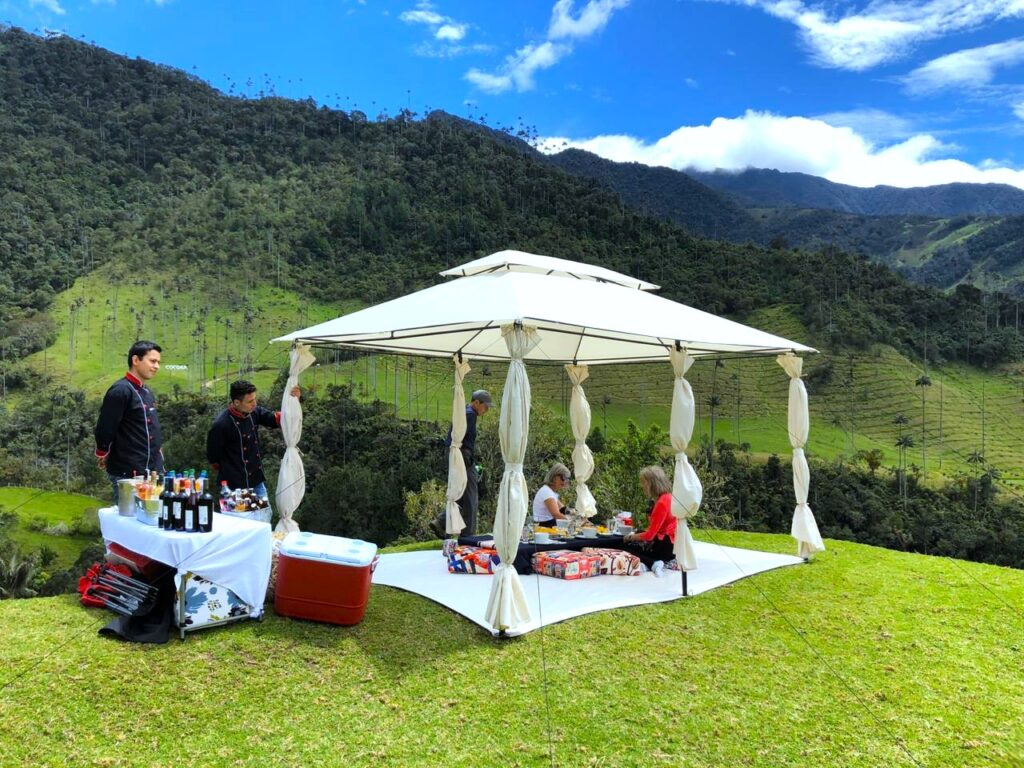
The real risks, and how to avoid them
Most problems travellers meet in South America are opportunistic, not violent, and most can be avoided with a few habits:
| Risk | Where | What to do |
|---|---|---|
| Pickpockets and phone snatching | Busy streets, markets, terminals and city beaches in the big cities | Keep your phone in a front pocket, carry little cash, leave jewellery at the hotel and take nothing valuable to the beach |
| Fake taxis and express kidnapping | Big cities, usually at night, especially in Peru, Ecuador, Colombia and Brazil, and at Bolivia’s overland borders | Never hail a taxi in the street: use private transfers, a taxi booked by your hotel or a licensed app, as official advice recommends |
| Drugged drinks | Bars and clubs, and meetings arranged through dating apps | Buy your own drinks and keep them in sight |
| Protests and road blockades | Peru, Bolivia and Paraguay especially | Avoid demonstrations, never try to cross a blockade, and keep a flexible plan |
| Rain, landslides and El Niño | The Andes in the rainy season, and the coasts of Peru, Ecuador and Colombia in 2026–27 | Travel in the dry season where you can and follow local alerts; we adjust routes when roads or trains close |
| Altitude | Cusco, Puno, La Paz, Uyuni and Quito | Start low, take the first days slowly and drink plenty of water |
| Road travel at night | Long distances in Ecuador, Colombia and Bolivia | Travel by day, and fly the longest legs |
How we keep your trip safe
As local travel experts in South America, we plan every journey around the current advice and adjust it when the situation changes:
- No taxis to find: a driver meets you at every airport and station, and private transfers take you between hotels, sites and borders.
- Licensed local guides for every visit, who know which streets and markets to avoid and when.
- Hotels in safe, central districts, such as Miraflores in Lima, Recoleta in Buenos Aires or Copacabana in Rio.
- Routes that avoid restricted areas, and flights for the longest legs instead of night buses.
- A plan B for strikes and rain: when a protest closes a road or a landslide stops a train, we rearrange transfers, trains and hotels for you.
- Our team a WhatsApp message away, 24 hours a day, for the whole trip.
Read more about our local travel experts in South America and how we plan tailor-made trips.
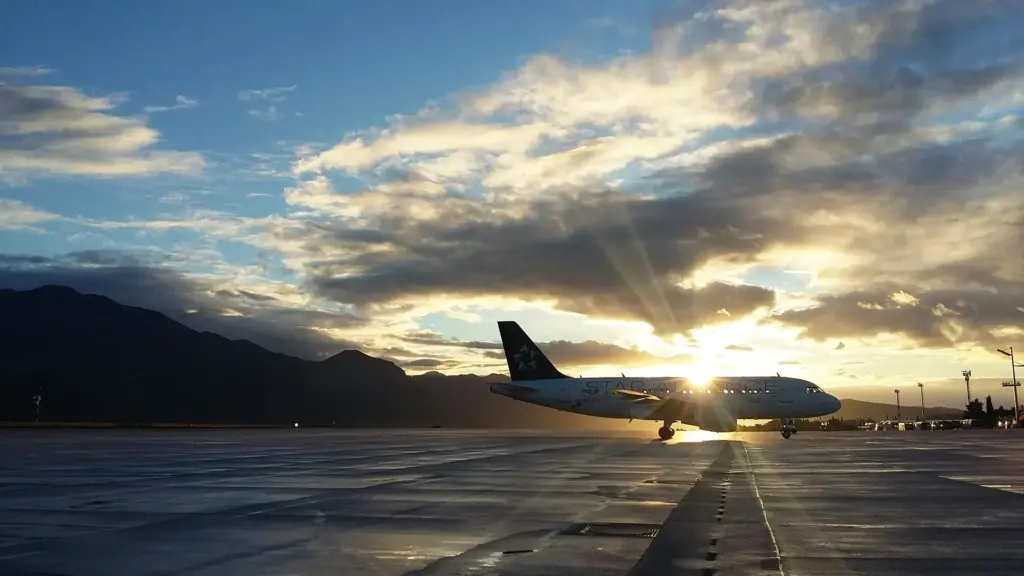
Solo travellers, women and families
South America is a popular destination for solo travellers, couples and families. Official advice mentions risks that affect solo travellers in particular, such as drugged drinks, dating-app scams and unlicensed adventure operators, so book activities through a reputable company and keep someone informed of your plans. For families, choose a gentle altitude plan and private transport; see our guide to South America family vacations and, for couples, our South America honeymoon guide.
Before you go: a safety checklist
- Read your government’s travel advice for each country on your route, and sign up for its alerts.
- Buy travel insurance that covers medical evacuation, and check that it is valid under the current official advice.
- Carry a copy of your passport and keep the original in the hotel safe on city days.
- Check the vaccines you need, including yellow fever for some parts of the Amazon.
- Plan the season: the best time to visit South America also avoids the worst of the rain on mountain roads.
Frequently asked questions
Is South America safe for tourists?
Yes, on the classic routes and with sensible precautions. Millions of visitors travel to Machu Picchu, Patagonia, Iguazú, Rio and the Galápagos every year. The areas governments advise against are mostly remote border and jungle regions.
What is the safest country in South America?
Uruguay, Chile and Argentina are usually considered the calmest, and the UK advises against no part of any of them. Safety varies more by city and neighbourhood than by country, so plan where you stay and how you move around.
Is Peru safe to visit?
Yes. The areas the UK advises against, the VRAEM valleys and the Putumayo border with Colombia, are far from Lima, Cusco, the Sacred Valley, Machu Picchu and Lake Titicaca. The main risks are street crime and fake taxis in the cities, protests and rainy-season landslides.
Is it safe to take taxis in South America?
Do not hail taxis in the street. Official advice for several countries recommends taxis booked by phone, through your hotel or through a licensed app. On our trips, private transfers take you everywhere.
Is Ecuador safe for the Galápagos?
The Galápagos, Quito and the Andes are outside the areas the UK advises against. The advice covers Ecuador’s coastal provinces, including Guayaquil, except airside transit at its airport, so we can route your Galápagos flights through Quito.
Is it safe to travel alone in South America?
Yes, with care: avoid walking alone at night, keep an eye on your drinks, book activities with reputable companies and use private or licensed transport.
Do I need travel insurance?
Yes. Choose a policy that covers medical treatment and evacuation, including at altitude, and check that it remains valid under your government’s current advice.
Ready to Experience This Firsthand?
Our travel consultants design your itinerary around your dates, pace and hotel style.

Wilfredo Zúñiga Huamanguillas
Anthropologist & Hospitality Professional | South America Travel ExpertAnthropologist, hospitality professional and South America travel expert with 11 years of experience in tourism, trained at the Universidad Nacional de San Antonio Abad del Cusco. Wilfredo writes about the people, traditions and landscapes of the continent, from the Andes and Machu Picchu to Patagonia, Brazil and the Amazon.
More about Wilfredo →