
The best beaches in Chile are in the north, where the Atacama Desert meets the Pacific: Bahía Inglesa and Playa La Virgen have the calmest, clearest water on the mainland, and Arica the warmest. Near Santiago, Viña del Mar, Zapallar and Maitencillo are the classic summer resorts; Pichilemu and Matanzas are for surfers and windsurfers; and Anakena, on Easter Island, is the white coral beach with moai and palm trees.
Chile has more than 6,000 km of coastline, but the cold Humboldt Current keeps the sea cool almost everywhere, so choosing the right beach matters. Below are 12 beaches from north to south and out to Easter Island, with sea temperatures, safety tips and the stretch of coast you can see on our journeys.
Chile’s best beaches at a glance
| Beach | Region | Best for | Gateway |
|---|---|---|---|
| La Serena | Coquimbo | Families, and stargazing in the Elqui Valley | La Serena |
| Pan de Azúcar | Atacama | Wildlife and empty beaches | Copiapó or Chañaral |
| Playa La Virgen and Bahía Inglesa | Atacama | Turquoise water and the calmest swimming | Copiapó |
| Cavancha | Tarapacá | A city beach with surf | Iquique |
| Viña del Mar and Reñaca | Valparaíso | Promenades, restaurants and nightlife | Santiago, about 120 km |
| Anakena and Ovahe | Easter Island | White coral sand and moai | Hanga Roa |
| Pichilemu | O’Higgins | Surfing | Santiago |
| Zapallar and Maitencillo | Valparaíso | A sheltered bay, with surf next door | Santiago, about 2 hours |
| Isla Negra | Valparaíso | Pablo Neruda’s house and a rocky shore | Santiago or Valparaíso |
| Arica | Arica y Parinacota | The warmest water on the mainland, and surf | Arica |
| Punta de Choros and Isla Damas | Coquimbo | Penguins and dolphins by boat, and a white-sand island | La Serena |
| Cole Cole, Chiloé | Los Lagos | Wild dune beaches and hiking | Castro, then Cucao |
Water temperature and when to go
The Humboldt Current carries cold water up the whole coast, so the Pacific in Chile is cooler than its latitude suggests. On the central coast around Viña del Mar the water stays in the mid-teens °C even in summer and drops to about 13 °C in winter. The beaches of the Atacama, such as Bahía Inglesa and Playa La Virgen, have the calmest and clearest water on the mainland, and Easter Island, out in the subtropical Pacific, is warmer all year. Beach season is the southern summer, from December to March, when Chilean families fill the coast in January and February.
| Beach area | Sea in summer (Jan–Feb) | Sea in winter (Jul–Aug) |
|---|---|---|
| Arica | About 20–22 °C | About 16–17 °C |
| Iquique (Cavancha) | About 19–21 °C | About 16–17 °C |
| Bahía Inglesa and La Virgen | About 17–19 °C | About 14–15 °C |
| La Serena | About 16–18 °C | About 13–14 °C |
| Viña del Mar and Zapallar | About 15–17 °C | About 12–13 °C |
| Pichilemu | About 14–16 °C | About 12–13 °C |
| Chiloé | About 13–15 °C | About 10–11 °C |
| Anakena, Easter Island | About 24–26 °C | About 20–21 °C |
These are approximate surface temperatures; they change from year to year and are warmer in El Niño years.
1. La Serena – A Family Favourite with a Celestial Bonus
Located in the Coquimbo Region, just a few hours north of Santiago, La Serena is a well-loved summer hotspot. This charming coastal city features wide beaches, calm waves, and a friendly atmosphere perfect for couples and families alike. The iconic Avenida del Mar runs for over six kilometres and is ideal for scenic walks along the oceanfront.
Although the water can be a bit chilly, the cool breeze is a welcome refreshment during hot summer days. What makes La Serena truly unique is its proximity to the Elqui Valley, a world-renowned stargazing destination. You can complement your beach stay with a visit to local vineyards or join an astronomical tour under one of the clearest night skies on Earth. South of neighbouring Coquimbo, Playa Totoralillo has clear water in small rocky coves, good for snorkelling and calm swims.
2. Pan de Azúcar National Park – Untouched Nature and Coastal Tranquility
If you’re seeking a raw and natural beach experience, Pan de Azúcar National Park in the Atacama Region is a hidden treasure. The park boasts a secluded beach framed by striking rock formations and home to rare wildlife. This is the ideal place for ecotourism enthusiasts looking to disconnect from city life and reconnect with nature.
- Spot unique wildlife like Humboldt penguins and guanacos
- Go hiking through desert-meets-coast landscapes
- Relax on a quiet, unspoiled beach far from the crowds
Pan de Azúcar is a place where the desert touches the ocean, offering a surreal backdrop for meditation, photography, and exploration.
3. Playa La Virgen and Bahía Inglesa – Desert Paradises with Caribbean Flair
In the heart of the Atacama Desert, two coastal gems stand out for their surreal beauty: Playa La Virgen and Bahía Inglesa. These beaches are famous for their powdery white sands and dazzling turquoise waters, giving off serious Caribbean vibes—without ever leaving South America.
Playa La Virgen, located around 70 km from Copiapó, is the perfect hideaway for those in search of serenity and picturesque scenery. It’s an excellent spot for couples or small groups wanting a peaceful, photogenic beach escape. Nearby, Bahía Inglesa offers a more developed tourist infrastructure with restaurants, lodging, and water sports like kayaking and windsurfing.
| Beach | Highlights | Best For |
|---|---|---|
| Playa La Virgen | Secluded, white sands, crystal-clear waters | Romantic getaways, photography |
| Bahía Inglesa | Family-friendly, sports activities, dining | Families, adventure seekers |
4. Cavancha Beach – Urban Vibes Meet Coastal Charm
In the bustling northern city of Iquique, Cavancha Beach offers a unique combination of urban excitement and coastal calm. With its golden sand, mild waves, and lively boardwalk, this beach is a hub for both relaxation and adventure. Surf enthusiasts will appreciate the consistent waves, while food lovers will delight in the city’s fresh seafood cuisine.
After a day in the sun, take a stroll down Paseo Baquedano, where the wooden mansions of the nitrate boom and local culture offer a glimpse into Iquique’s vibrant history. Whether you’re traveling solo or with company, Cavancha is the perfect place to experience city life by the sea.
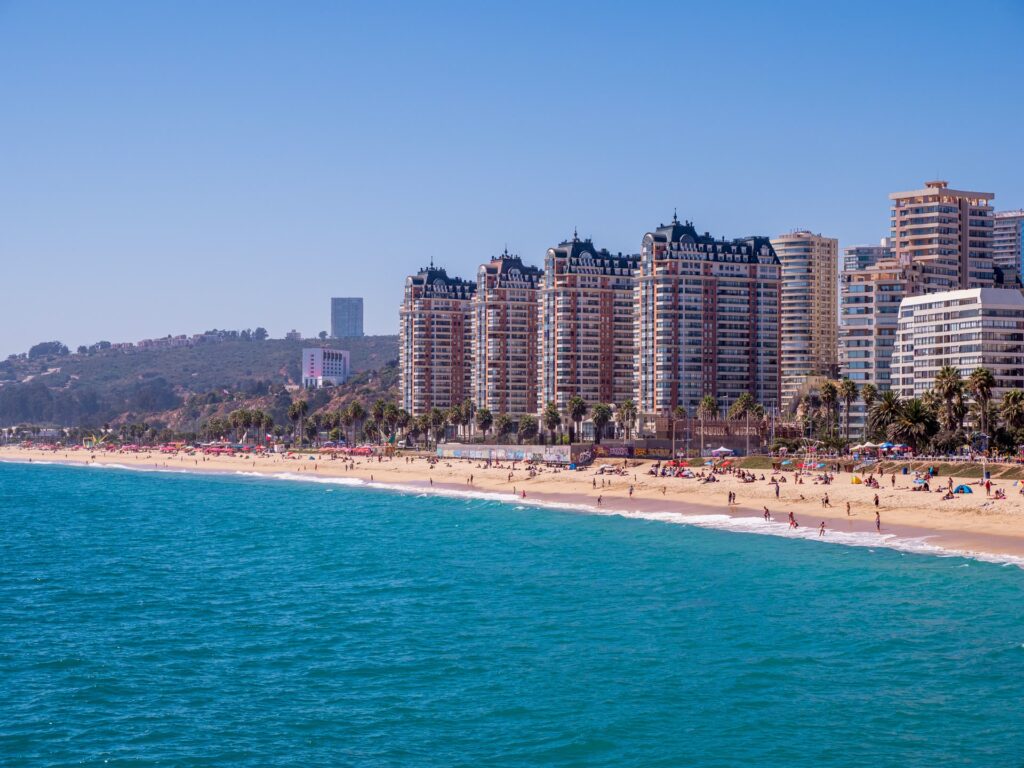
5. Viña del Mar – Chile’s Glamorous Coastal Escape
Known as the “Garden City,” Viña del Mar is synonymous with elegance, nightlife, and seaside leisure. Just 120 km from Santiago, this urban paradise is home to popular beaches like Reñaca and Caleta Abarca, which bustle with activity during summer months.
Here you can soak up the sun, take part in water sports, or sip a cocktail at a seaside bar. The beachfront promenades are perfect for family strolls, while the nearby cultural scene offers museums, casinos, and festivals year-round.
Tip: Arrive early during high season to secure your spot on the sand, especially in Reñaca, which is known for its youthful vibe and beach parties.
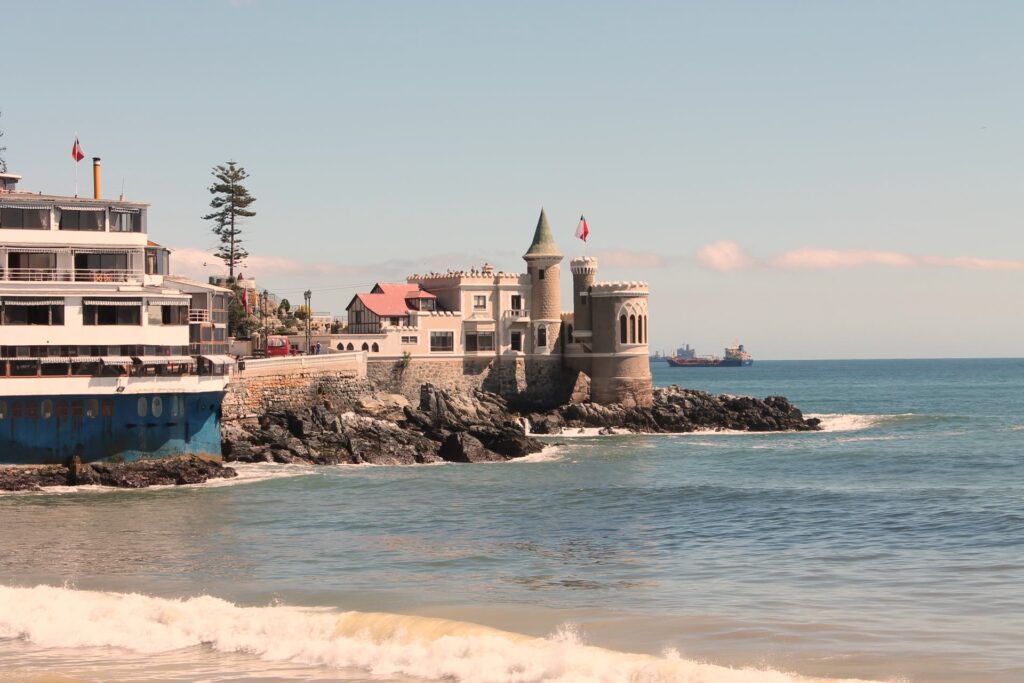
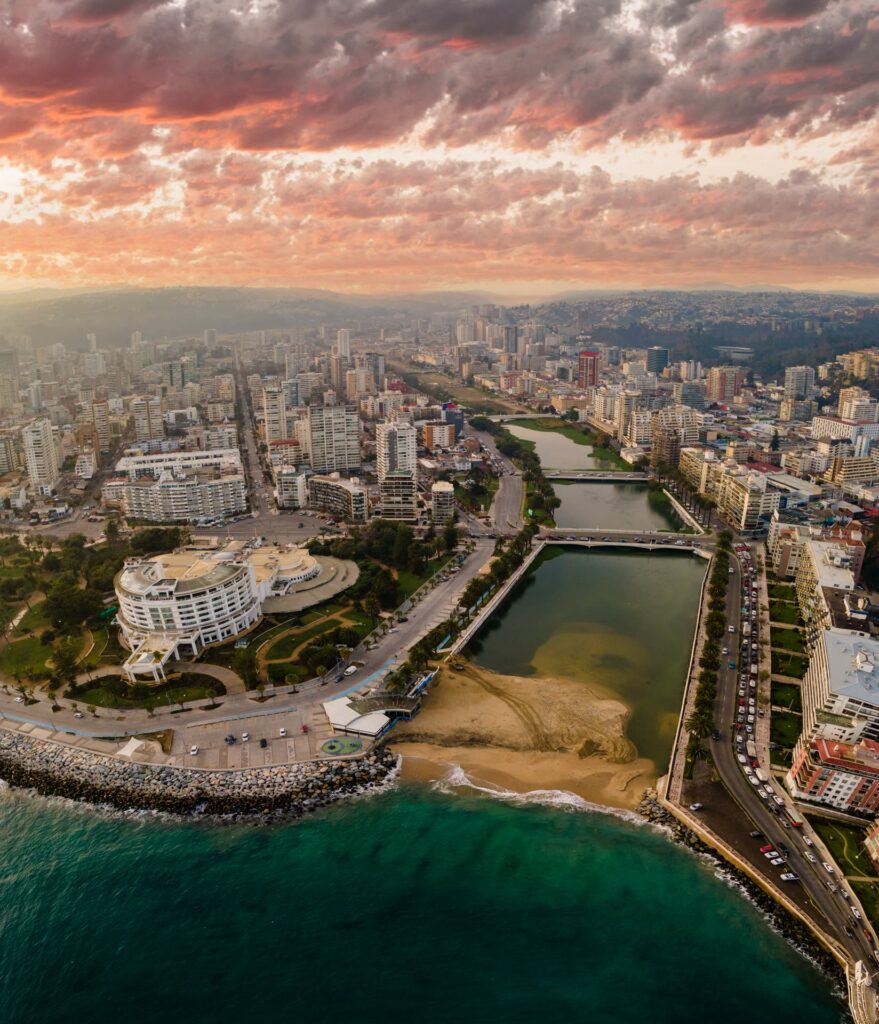
On the seafront between Caleta Abarca beach and the Marga Marga estuary stands Castillo Wulff, a castle on the rocks built in 1906 and now a cultural centre.
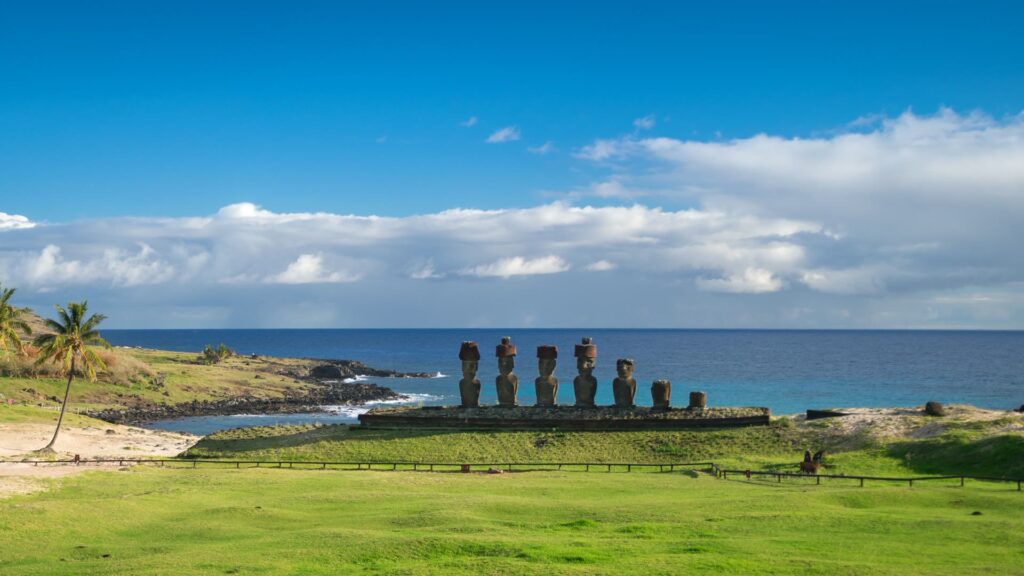
6. Anakena and Ovahe – Pacific Island Bliss in Rapa Nui
Far from the Chilean mainland lies one of its most magical destinations—Easter Island (Rapa Nui). The island’s most famous beach, Anakena, is a breathtaking blend of history and beauty. With white coral sand, tall palm trees, and translucent blue water, it’s a true tropical paradise.
Nearby is Ovahe, a smaller, more secluded beach surrounded by red cliffs. It’s a peaceful haven for travelers seeking privacy and a deeper connection with the island’s mystical charm. Don’t forget to explore the moai statues that frame the coastline, a reminder of the island’s unique cultural heritage. Visiting the archaeological sites requires an accredited guide; read our Easter Island travel guide before you go.
7. Pichilemu – Chile’s Surf Capital
South-west of Santiago, the small town of Pichilemu is the heart of Chilean surfing. Its best-known wave, the long left-hand point break of Punta de Lobos, hosts international big-wave competitions, while the beaches in town suit beginners and surf schools. The water is cold all year, so a full wetsuit is essential, and the dark-sand beaches and coastal cliffs are as good for walks and sunsets as for surfing.
North of Pichilemu, Matanzas is Chile’s best-known spot for windsurfing and kitesurfing, with steady afternoon winds in summer.
8. Zapallar and Maitencillo – Central Coast Classics
North of Viña del Mar, about two hours from Santiago, Zapallar is the most elegant resort on the central coast: a small, sheltered bay below wooded hills and old summer houses, with a coastal path around the rocks and seafood restaurants on the sand. Next door, Maitencillo is livelier, with long beaches, surf schools and paragliding from the cliffs. Both are quiet outside January and February.
9. Isla Negra – Pablo Neruda’s House by the Sea
Isla Negra is not an island: it is a stretch of rocky coast south of Valparaíso where the poet Pablo Neruda built his favourite house, now a museum full of his collections of ship figureheads, shells and bottles. Neruda and his wife Matilde Urrutia are buried in the garden, facing the sea. The beach below is for walks among the rocks rather than for swimming, and the house is an easy addition to a day on the coast from Santiago.
10. Arica – The Warmest Water on the Mainland
Chile’s northernmost city, on the border with Peru, is known as the city of eternal spring. Its beaches, such as El Laucho, La Lisera and the long Playa Chinchorro, have the warmest sea on the Chilean mainland, at around 20 °C in summer, and good surf at El Gringo. Arica is also home to the Chinchorro mummies, about 7,000 years old and the oldest artificially mummified human remains known, part of a UNESCO World Heritage site since 2021.
11. Punta de Choros and Isla Damas – Penguins and White Sand
About two hours north of La Serena, the fishing village of Punta de Choros is the base for boat trips to the Humboldt Penguin National Reserve. The boats circle Isla Choros, with Humboldt penguins, sea lions and often bottlenose dolphins, and land on Isla Damas, where a white-sand beach faces turquoise water. Visitor numbers on Isla Damas are limited, so go early in summer, and expect a rough crossing on windy days.
12. Chiloé – Wild Beaches of the South
The Pacific coast of Chiloé Island is wild and windswept, with long dune beaches backed by forest in Chiloé National Park, near Cucao. The most beautiful, Cole Cole, is reached only on foot or on horseback, on a long day or with a night of camping. The water is far too cold for swimming, but few beaches in Chile feel as remote. Chiloé is also the home of curanto, the dish cooked in a pit of hot stones (see our guide to Chilean cuisine). Our Chile Highlights (13 days) spends a day on the island’s calmer inner coast, with its wooden churches and the palafitos of Dalcahue.
Beach safety in Chile
- Swim where it is allowed: each summer the maritime authority declares which beaches are suitable for swimming (“apta para el baño”), and lifeguards watch them, usually from December to March. A red flag means no swimming.
- Currents and waves: many open beaches, especially in central and southern Chile, have strong rip currents as well as cold water. Sheltered bays such as Bahía Inglesa, Zapallar and Cavancha are the safest for a swim.
- Tsunami routes: Chile is earthquake country, and coastal towns have signposted tsunami evacuation routes. If a strong earthquake makes it hard to stand while you are on the beach, walk to high ground at once.
- Sun: the sun in northern Chile is intense even when the air feels cool, so use high-factor sun cream and a hat.
Chile’s beaches on a multi-country trip
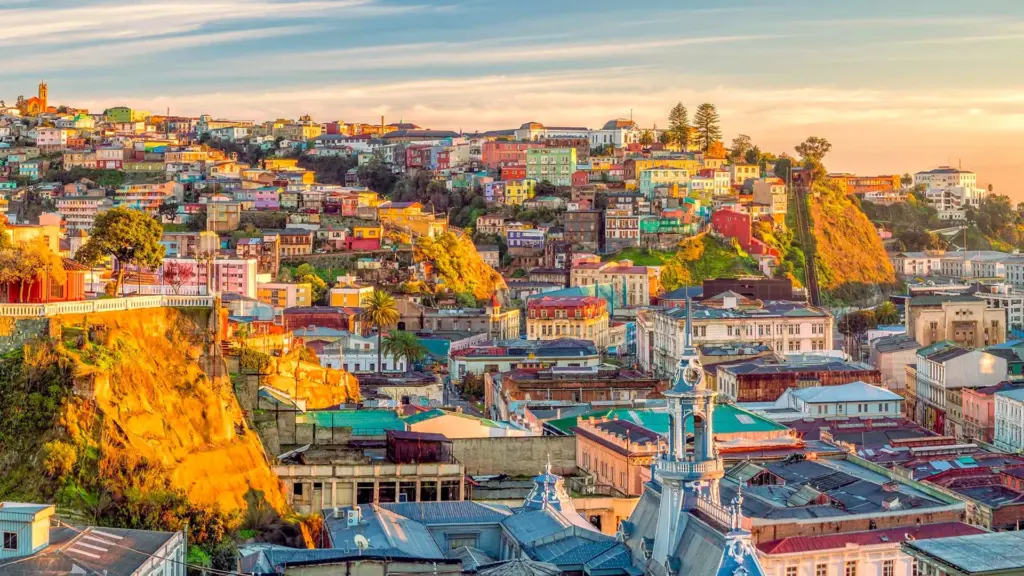
On our journeys, Chile’s coast means Valparaíso and Viña del Mar, about two hours from Santiago. Viña del Mar’s beaches and the seafront of Reñaca are a few minutes north of Valparaíso, so a night on the coast gives you both the port city and the beach.
| Journey | On the coast |
|---|---|
| Peru, Chile & Argentina Journey (21 days), Peru, Chile, Argentina & Brazil Icons of the South (26 days) | Two nights in Valparaíso after Cusco, with a walking and street-art tour, before the Lake District |
| Peru, Bolivia & Chile Expedition (21 days), Peru, Bolivia, Chile & Argentina Must-See Gems (30 days) | Two nights in Valparaíso after the Atacama Desert |
| Argentina & Chile Southern Soul (16 days) | Two nights in Valparaíso after Patagonia, before Santiago |
| Chile Highlights (13 days) | A full day to Viña del Mar and Valparaíso from Santiago, through the vineyards of the Casablanca Valley |
| Machu Picchu to Valparaíso (8 days) | The transfer from Santiago to Valparaíso and a street-art tour, on the day the cruise leaves |
The beaches of the north are not part of our journeys, and on the mainland the cold water makes the coast better for walks, seafood and sunsets than for swimming. For real beach days, Easter Island is the extension we can add to a trip through Chile. For warmer water on the same trip, the Brazilian coast around Rio and Búzios is on our journeys too: see our guide to the best beaches in Brazil.
Frequently asked questions
Can you swim at the beaches in Chile?
Yes, but the water is cold because of the Humboldt Current: in the mid-teens °C on the central coast even in summer. The calmest and clearest water on the mainland is at Bahía Inglesa and Playa La Virgen, in the Atacama, and Easter Island is warmer.
When is beach season in Chile?
From December to March, the southern summer. January and February are the busiest months, when Chilean families take their holidays on the coast.
What is the best beach near Santiago?
Viña del Mar and Reñaca, about 120 km from Santiago, with long beaches, promenades and restaurants. Valparaíso, next door, adds the street art and funiculars of its hills.
Which Chilean beach has the warmest water?
Anakena, on Easter Island, in the subtropical Pacific. On the mainland, Arica, in the far north, has the warmest sea, at around 20 °C in summer, and the sheltered bays of the Atacama, such as Bahía Inglesa, are the calmest for swimming.
Where are the white-sand beaches in Chile?
Mostly in the north. Bahía Inglesa and Playa La Virgen, in the Atacama Region, have white sand and turquoise water, and so does Isla Damas, reached by boat from Punta de Choros. Anakena, on Easter Island, has white coral sand. Most beaches in central and southern Chile have golden or dark sand.
Which part of Chile has the best beaches?
The north, from Arica to La Serena, has the warmest and calmest water and the most sunshine. The central coast near Santiago has the best-known resorts, such as Viña del Mar and Zapallar, and the south has wild, empty beaches for walking rather than swimming.
Is Chile good for a beach holiday?
For a few days of coast, seafood and sunsets in summer, yes. For a week of warm-water swimming, the mainland is cool: Easter Island is the warm-water option, or combine Chile with the beaches of Rio de Janeiro and Búzios in Brazil.
Ready to Experience This Firsthand?
Our travel consultants design your itinerary around your dates, pace and hotel style.

Wilfredo Zúñiga Huamanguillas
Anthropologist & Hospitality Professional | South America Travel ExpertAnthropologist, hospitality professional and South America travel expert with 11 years of experience in tourism, trained at the Universidad Nacional de San Antonio Abad del Cusco. Wilfredo writes about the people, traditions and landscapes of the continent, from the Andes and Machu Picchu to Patagonia, Brazil and the Amazon.
More about Wilfredo →