South America holds some of the most varied wildlife on Earth, and much of it can be seen without a specialist expedition: sea lions that share the beach with you in the Galápagos, flamingos on red lagoons at 4,000 metres, guanacos below the towers of Patagonia and penguins on the desert coast of Peru. The secret is knowing which places deliver, in which months, and how to fit them into one route.
This guide covers the wildlife you can see on our journeys, region by region, written by our local travel experts. We name only the animals our itineraries and guides can show you, and we say clearly what depends on luck.
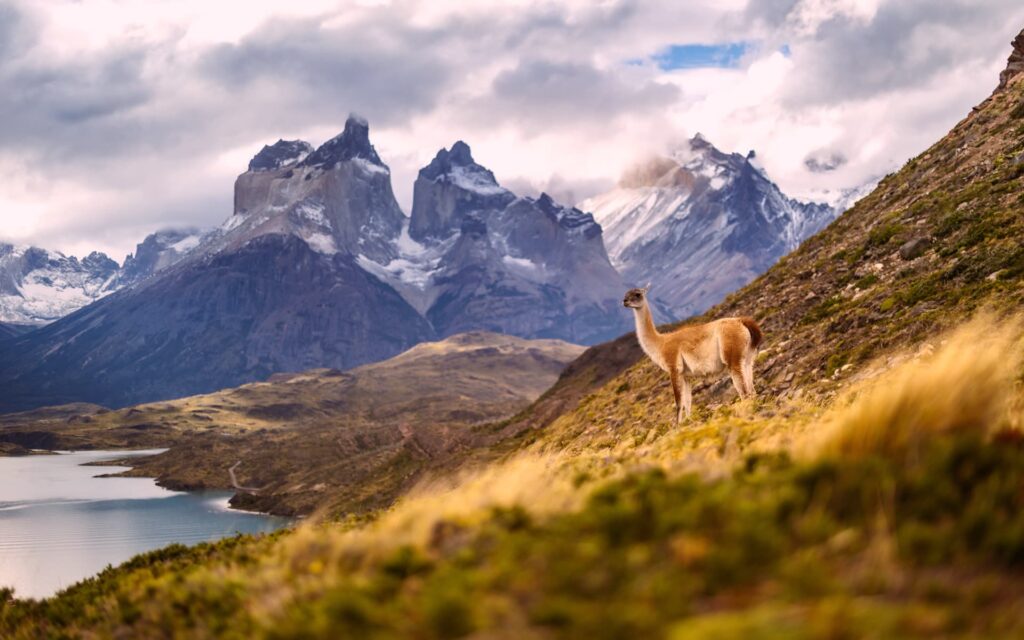
South America wildlife at a glance
| Where | What you may see | Best months | On our journeys |
|---|---|---|---|
| Galápagos Islands, Ecuador | Giant tortoises, sea lions, marine and land iguanas, frigatebirds and blue-footed boobies | All year | Three journeys |
| Ballestas Islands, Peru | Sea lions, Humboldt penguins and seabirds | All year | Three journeys |
| Tambopata, Peruvian Amazon | Giant river otters, red howler monkeys, black caimans and parakeets | May to October | One journey |
| The Andes of Peru and Bolivia | Llamas and alpacas, vicuñas and, with luck, the Andean condor | April to November | Most journeys |
| The high lagoons of Bolivia and Chile | Three species of flamingo | All year; best April to November | Four journeys |
| Patagonia | Guanacos, condors, foxes, flamingos and the sea lions of the Beagle Channel | October to April | Three journeys |
| Iguazú Falls | Coatis, toucans and butterflies in the subtropical forest | All year | Six journeys |
The Galápagos Islands: wildlife with no fear of people
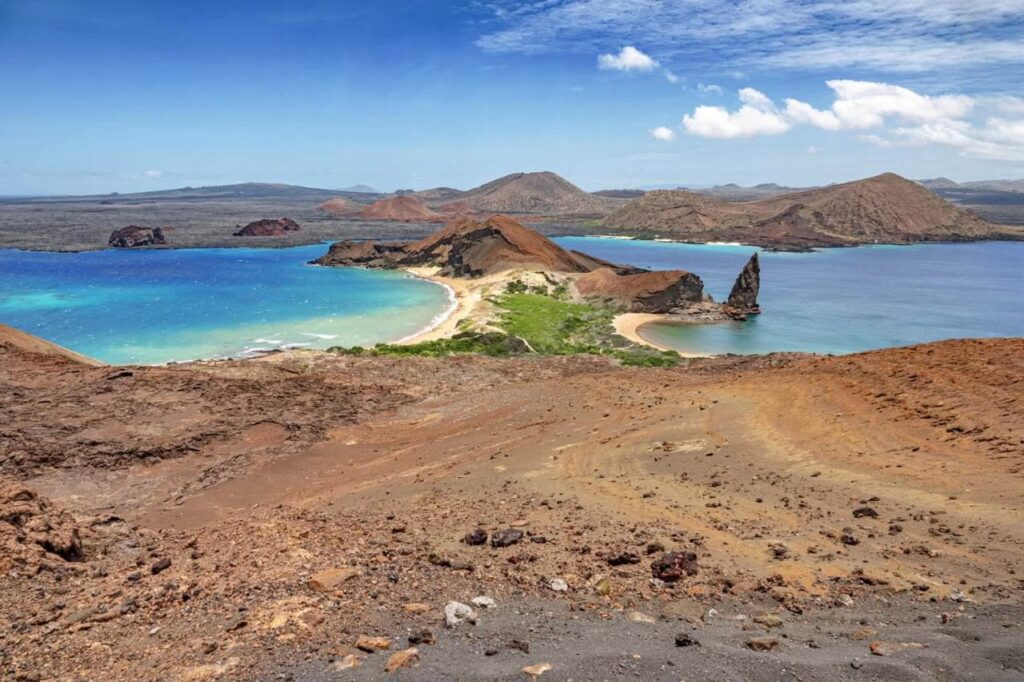
Nowhere else in South America brings you so close to wild animals. The species of the Galápagos evolved without land predators, so sea lions sleep on benches, marine iguanas bask on the paths and birds nest beside the trail. Our journeys visit the islands from hotels on San Cristóbal and Santa Cruz, with day trips by boat:
| Place | What you see |
|---|---|
| Frigatebird Hill and the Interpretation Centre, San Cristóbal | A colony of magnificent frigatebirds above the bay, and an introduction to the wildlife and volcanic origins of the islands |
| Kicker Rock or Lobos Island | Snorkelling beside the vertical walls of Kicker Rock, or a large sea lion colony and seabirds on Lobos Island |
| The highlands of Santa Cruz | Wild giant tortoises roaming free in their natural habitat |
| Bartolomé, North Seymour, South Plaza or Santa Fe | Pinnacle Rock and its lava landscapes; blue-footed boobies and frigatebirds; land iguanas; or sea lion colonies among giant cacti. The island depends on the permits of the national park |
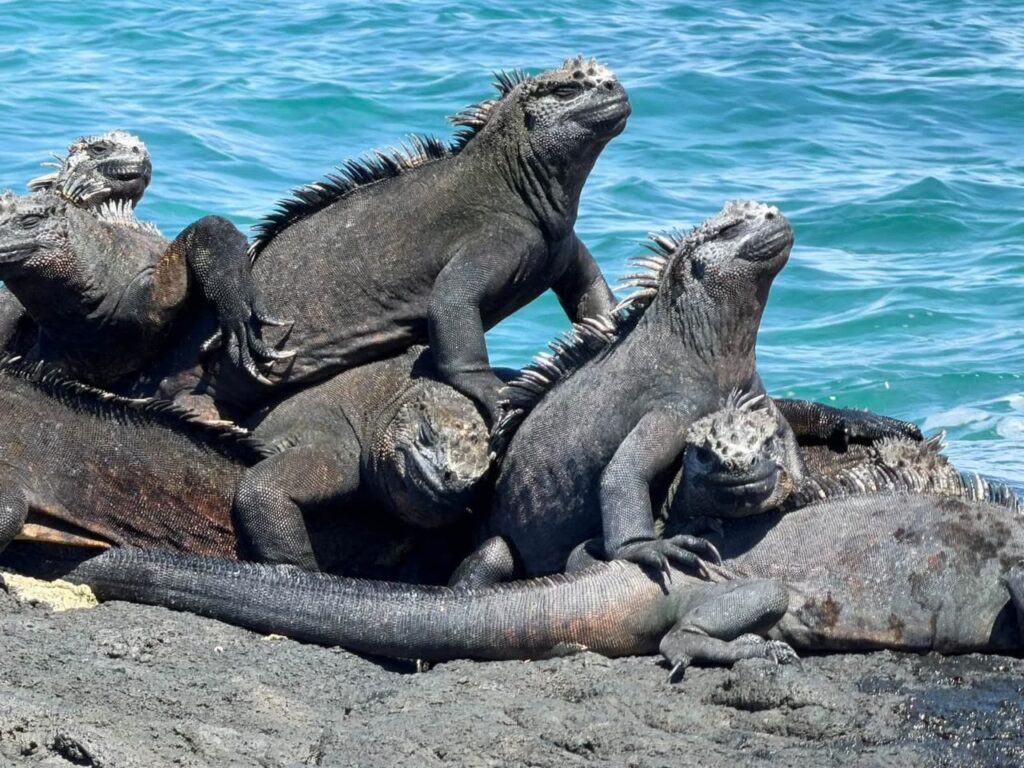
When: all year. From December to May the sea is calm and warm; from June to November the water is cooler and richer, with more activity among sea lions and seabirds.
With us: four nights on two islands on our Ecuador & Peru Highlights (15 days), five nights on the Ecuador & Galápagos tour (14 days), and three nights on Santa Cruz on the Signature Journey (29 days). See our Galápagos tours and how to combine the Galápagos and Machu Picchu.
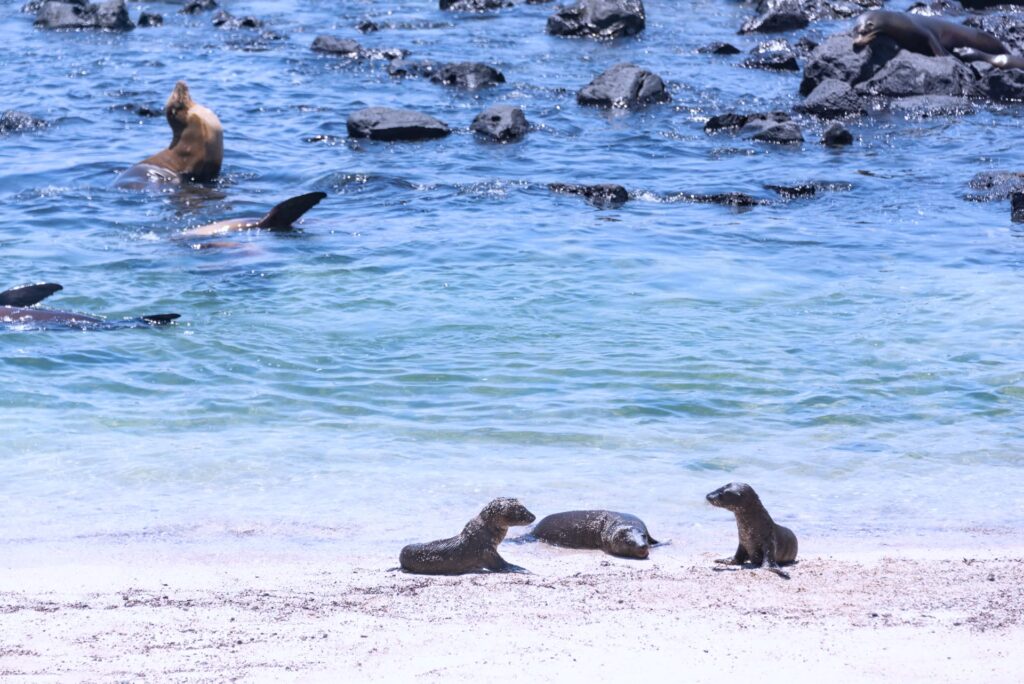
The Ballestas Islands: penguins on the desert coast
Off the Paracas peninsula, south of Lima, the cold Humboldt Current feeds one of the richest seas in the world. A boat trip circles the rocky Ballestas Islands, where sea lions crowd the ledges and Humboldt penguins stand among thousands of seabirds. Landing is not allowed, so the animals are watched from the boat.
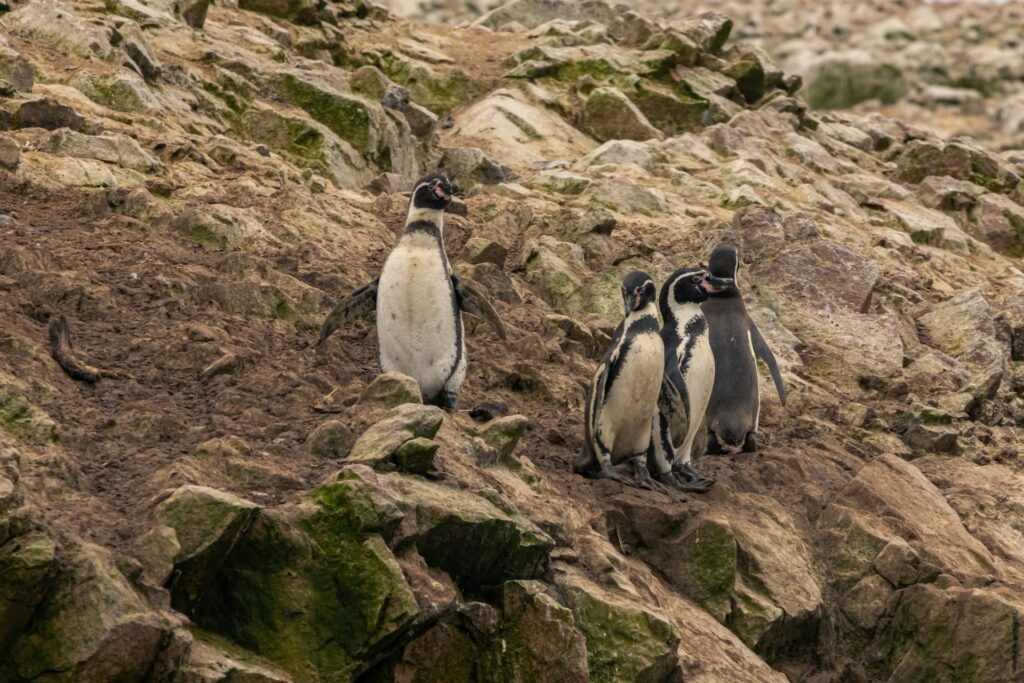
When: all year.
With us: a full day from Lima with the Huacachina oasis on our Peru & Bolivia Discovery (16 days), the Grand Escape (24 days) and the Signature Journey (29 days).
The Peruvian Amazon: Tambopata
From Puerto Maldonado you reach a jungle lodge in one of the most biodiverse regions on Earth. The highlight is a paddle across an oxbow lake, home to giant river otters, red howler monkeys and black caimans, and mornings begin with parakeets and monkeys in the trees around the lodge. The rainforest hides its animals well, so your naturalist guide matters more here than anywhere else.
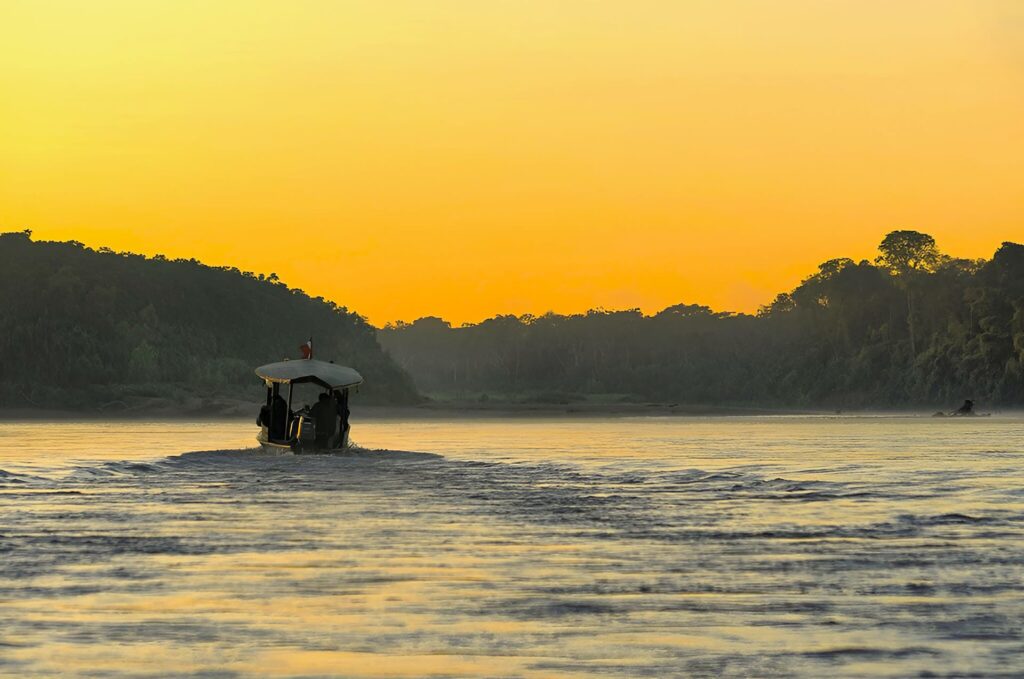
When: all year; the dry season from May to October has drier trails.
With us: two nights in the jungle at the start of our Explorer (35 days). See the Peruvian Amazon.
The Andes: llamas, alpacas, vicuñas and condors
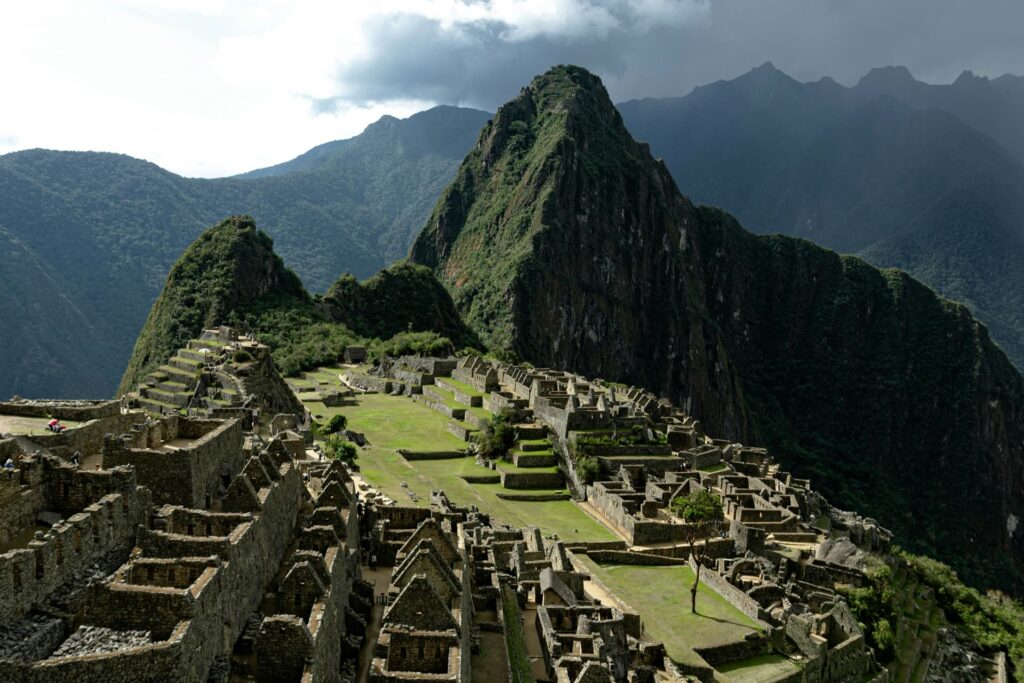
The camelids of the Andes are part of the landscape. Llamas graze among the terraces of Machu Picchu, and herds of llamas and alpacas cross the plains seen from the PeruRail Titicaca train between Cusco and Puno. Their wild relative, the slender vicuña, lives higher up: in Chile, the wetland of Machuca on the way back from the El Tatio geysers is a good place to see vicuñas, flamingos and ducks. The Andean condor is harder to promise, but it is seen in Torres del Paine and, with luck, in the highlands of southern Ecuador.
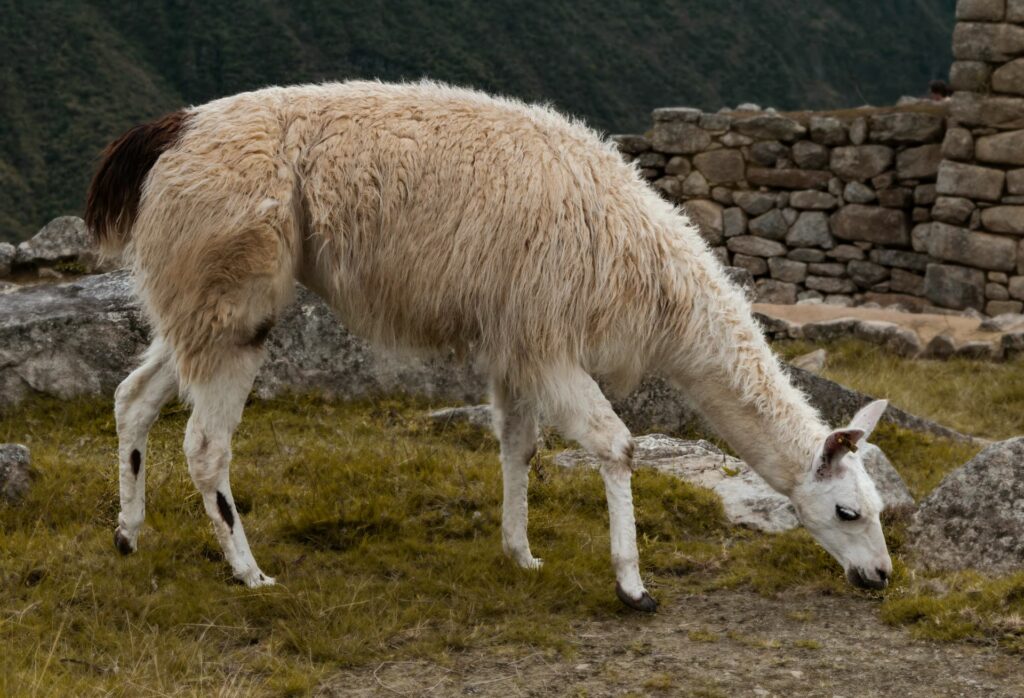
With us: the train to Lake Titicaca is on eight of our journeys, including Peru & Bolivia Highlights (14 days). Read where to see llamas and alpacas in Peru.
The flamingo lagoons of the altiplano
Three of the world’s six species of flamingo live on the salt lagoons of the high Andes: the Andean, the Chilean and the James’s flamingo. On the route from the Uyuni Salt Flats to Chile, Laguna Colorada turns red with algae and fills with flamingos feeding in the shallows. Across the border, Chaxa Lagoon, in the Atacama salt flat, and the blue lagoons of Miscanti and Miñiques are visited from San Pedro de Atacama.
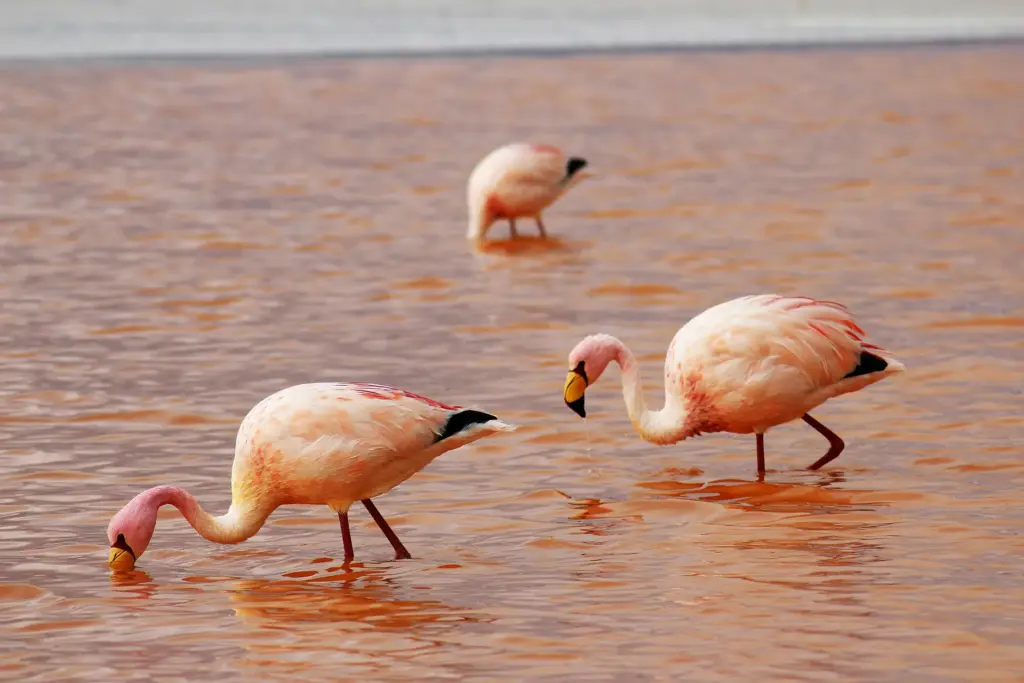
When: flamingos are present all year, in the largest numbers in the southern summer. The lagoon route is easiest from April to November, when the tracks are dry; nights are very cold from June to August.
With us: Laguna Colorada and the Atacama lagoons on our Peru, Bolivia & Chile Expedition (21 days), the Must-See Gems (30 days) and the Explorer (35 days); the Atacama lagoons and the Machuca wetland on our Chile Highlights (13 days). These lagoons lie above 4,000 m: check your route in our altitude planner, and see our Uyuni Salt Flats tours and Atacama Desert tours.
Patagonia: guanacos, condors and the Beagle Channel
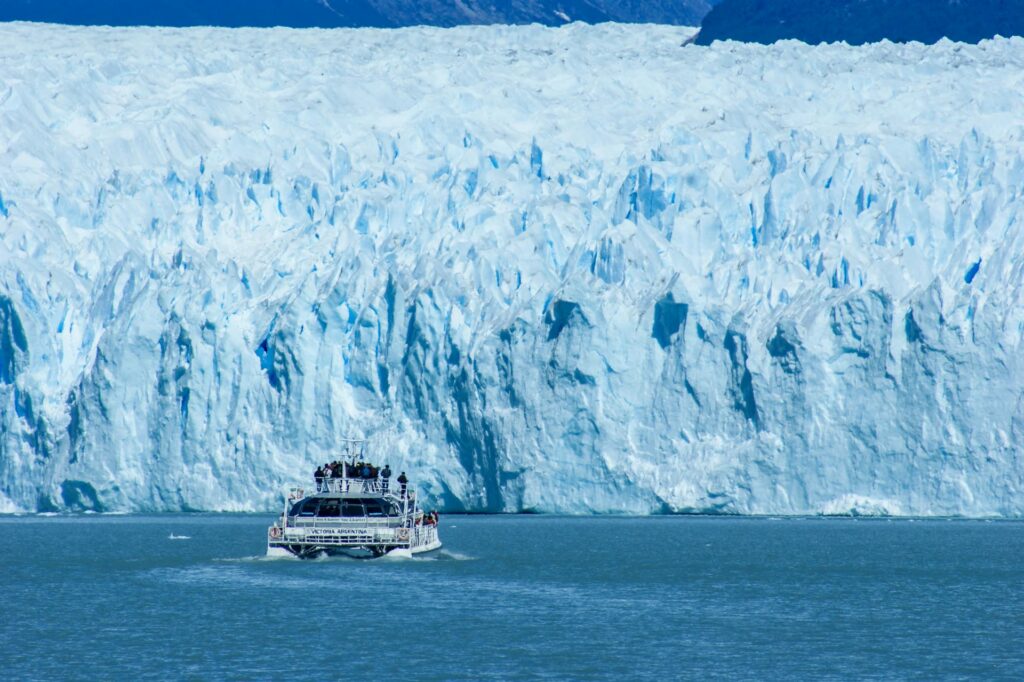
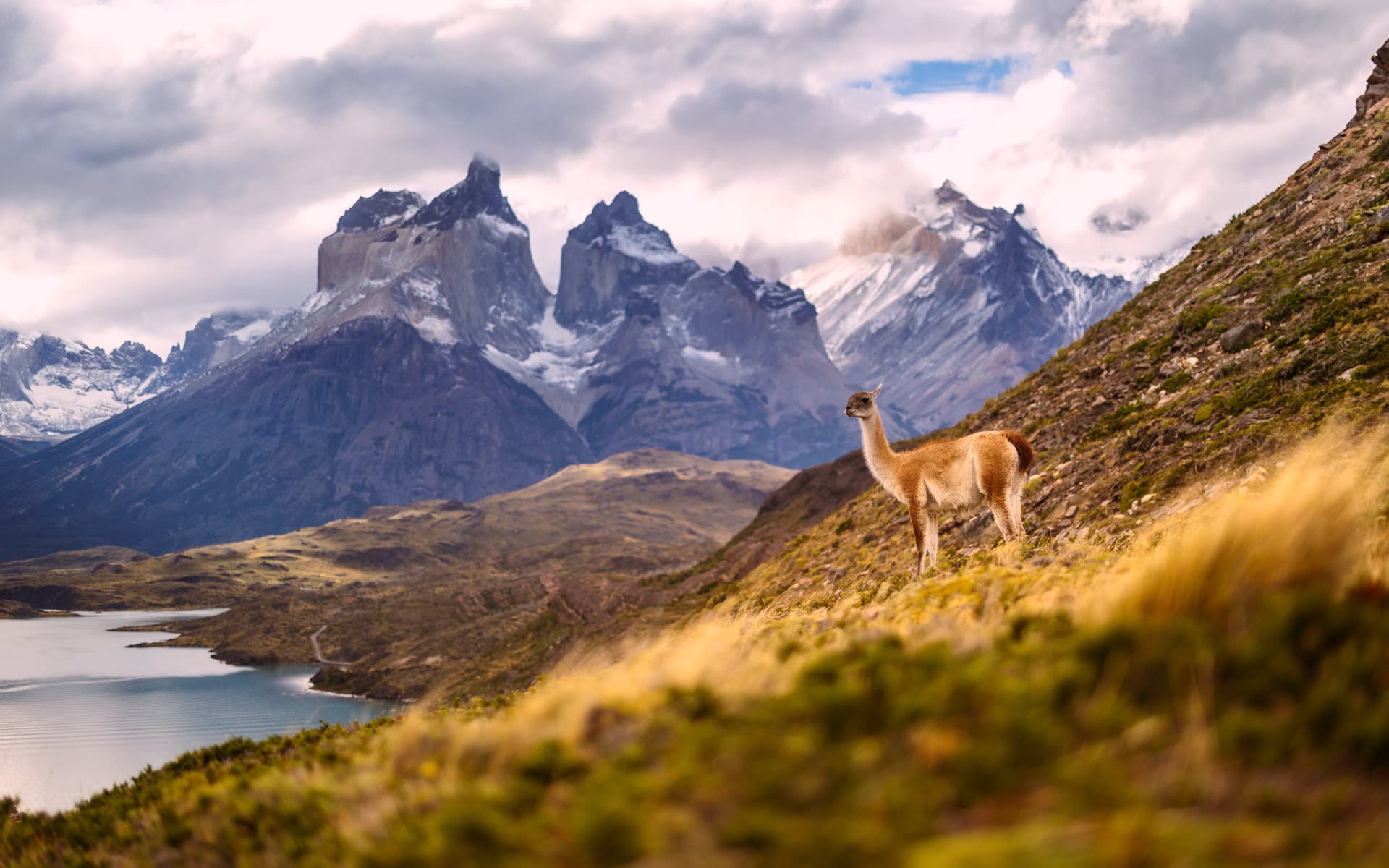
Patagonia is not a safari destination, but wildlife is part of almost every day outdoors. In Torres del Paine, herds of guanacos graze on the steppe below the towers, Andean condors and black-chested buzzard-eagles ride the wind, and foxes and Chilean flamingos live around the lakes. Pumas live in the park too, but sightings are rare and never guaranteed.
In Ushuaia, a boat trip on the Beagle Channel reaches the Les Éclaireurs Lighthouse and its cormorant colony, and passes Sea Lion Island, with sea lions, imperial cormorants, albatrosses and skuas. Near El Calafate, Chilean flamingos feed along the shore of Lake Argentino.
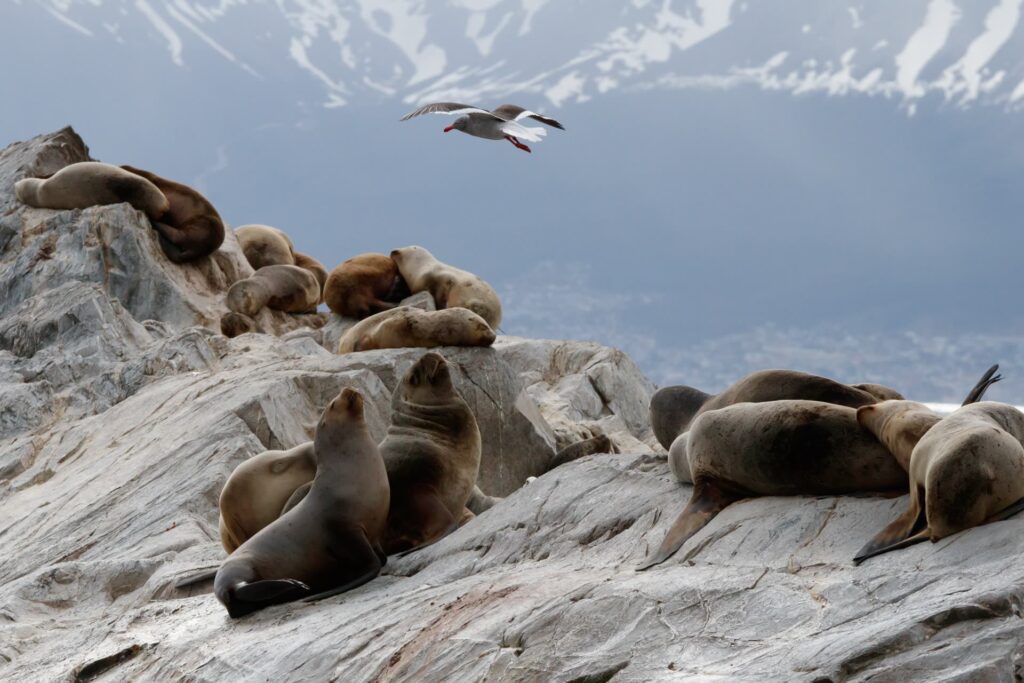
When: October to April. Young guanacos are born in late spring, from November.
With us: the Beagle Channel and three all-inclusive days inside Torres del Paine on our Pure Patagonia (14 days); a full day in Torres del Paine on the Chile Highlights (13 days) and the Argentina & Chile Southern Soul (16 days). See our Patagonia tours and Torres del Paine tours.
Iguazú Falls: the subtropical forest
The falls sit inside two national parks of Atlantic rainforest. On the walkways you will meet coatis, long-nosed relatives of the raccoon that are bold around visitors, clouds of butterflies near the water and, with luck, toucans in the canopy. The parks ask you not to feed the coatis, which bite and steal food. With an extra night, the Parque das Aves bird sanctuary, beside the entrance of the Brazilian park, can be added.
With us: both sides of the falls on six of our journeys. See our Iguazú Falls tours.
Which journey is best for wildlife?
| If you want | Journey | Wildlife days |
|---|---|---|
| The Galápagos with Machu Picchu | Ecuador & Peru Highlights (15 days) | Four nights on San Cristóbal and Santa Cruz, with two boat trips and the giant tortoises |
| The most time in the Galápagos | Ecuador & Galápagos tour (14 days) | Five nights in the islands, after the Andes of Ecuador |
| Patagonia | Pure Patagonia (14 days) | The Beagle Channel, and three days inside Torres del Paine |
| Flamingos, vicuñas and guanacos in one country | Chile Highlights (13 days) | The Atacama lagoons, the Machuca wetland and Torres del Paine |
| Penguins and sea lions with Machu Picchu | Peru & Bolivia Discovery (16 days) | The Ballestas Islands, and the train across the altiplano |
| The flamingo lagoons of Bolivia | Peru, Bolivia & Chile Expedition (21 days) | Laguna Colorada and the lagoons of the Atacama |
| The Amazon | Explorer (35 days) | Two nights in the jungle of Tambopata, plus the lagoons and Iguazú |
Our journeys do not visit the penguin colonies of Patagonia, the whales of the Valdés Peninsula or the Pantanal. If wildlife is the main reason for your trip, tell us, and we will plan your days around it: plan a tailor-made trip.
Best time to see wildlife in South America
| Months | Where wildlife is at its best |
|---|---|
| December to March | Patagonia in full summer, with young guanacos on the steppe; warm, calm seas in the Galápagos; the most flamingos on the altiplano lagoons, though rain can close some tracks |
| April and May | The Galápagos with calm seas; the Andes turning dry; the last weeks of the season in Patagonia |
| June to September | The dry season in the Amazon and the Andes; cooler, richer seas in the Galápagos; cold, clear days on the lagoon route. Much of Patagonia is closed |
| October and November | Patagonia reopens in spring; the Andes are still dry; the Galápagos seas begin to warm |
The Galápagos, the Ballestas Islands and Iguazú can be visited in any month. See the best time to visit South America for every region.
How to watch wildlife responsibly
- Keep your distance. In the Galápagos the rule is two metres from every animal, even when they come to you.
- Never feed or touch. This applies to sea lions and iguanas as much as to the coatis of Iguazú.
- No flash. Flash photography is not allowed in the Galápagos National Park.
- Stay on the trail and with your guide. Visits to the Galápagos islands are led by naturalist guides licensed by the national park.
- Take nothing, leave nothing. Luggage is inspected on arrival in the Galápagos, and fresh fruit, plants and seeds are not allowed.
- Accept the luck of the day. Animals keep their own schedule: guides know where to look, but no sighting can be promised.
Frequently asked questions
Where is the best place to see wildlife in South America?
The Galápagos Islands, where sea lions, giant tortoises, iguanas and seabirds show no fear of people. For big landscapes with wildlife, choose Torres del Paine in Patagonia; for flamingos, the lagoons between Uyuni and the Atacama; for the rainforest, Tambopata in the Peruvian Amazon.
What animals can you see in the Galápagos?
On a land-based visit to San Cristóbal and Santa Cruz: sea lions, giant tortoises in the highlands, marine iguanas, frigatebirds and, on the boat trips, blue-footed boobies on North Seymour, land iguanas on South Plaza or sea lion colonies on Santa Fe and Lobos Island.
Can I see penguins in South America?
Yes. Humboldt penguins live on the Ballestas Islands, off Paracas in Peru, which three of our journeys visit by boat. Our journeys do not include the penguin colonies of Patagonia.
When is the best time for wildlife in South America?
It depends on the region. Patagonia is open from October to April, the Amazon and the Andes are driest from May to October, and the Galápagos, the Ballestas Islands and Iguazú are good all year. April, May, October and November combine several regions well.
Will I see a puma or a jaguar?
Probably not. Pumas live in Torres del Paine and jaguars in the Amazon, but both are shy and rarely seen on a general tour. Guanacos, condors, sea lions, flamingos and giant tortoises are far more reliable.
Do I need to be fit for a wildlife trip?
No. Most wildlife on our journeys is seen from boats, vehicles and short, easy walks. The flamingo lagoons lie above 4,000 m, so that route comes after several days at altitude. For the islands, see our Galápagos guide for travellers over 60.
Ready to Experience This Firsthand?
Our travel consultants design your itinerary around your dates, pace and hotel style.

Wilfredo Zúñiga Huamanguillas
Anthropologist & Hospitality Professional | South America Travel ExpertAnthropologist, hospitality professional and South America travel expert with 11 years of experience in tourism, trained at the Universidad Nacional de San Antonio Abad del Cusco. Wilfredo writes about the people, traditions and landscapes of the continent, from the Andes and Machu Picchu to Patagonia, Brazil and the Amazon.
More about Wilfredo →