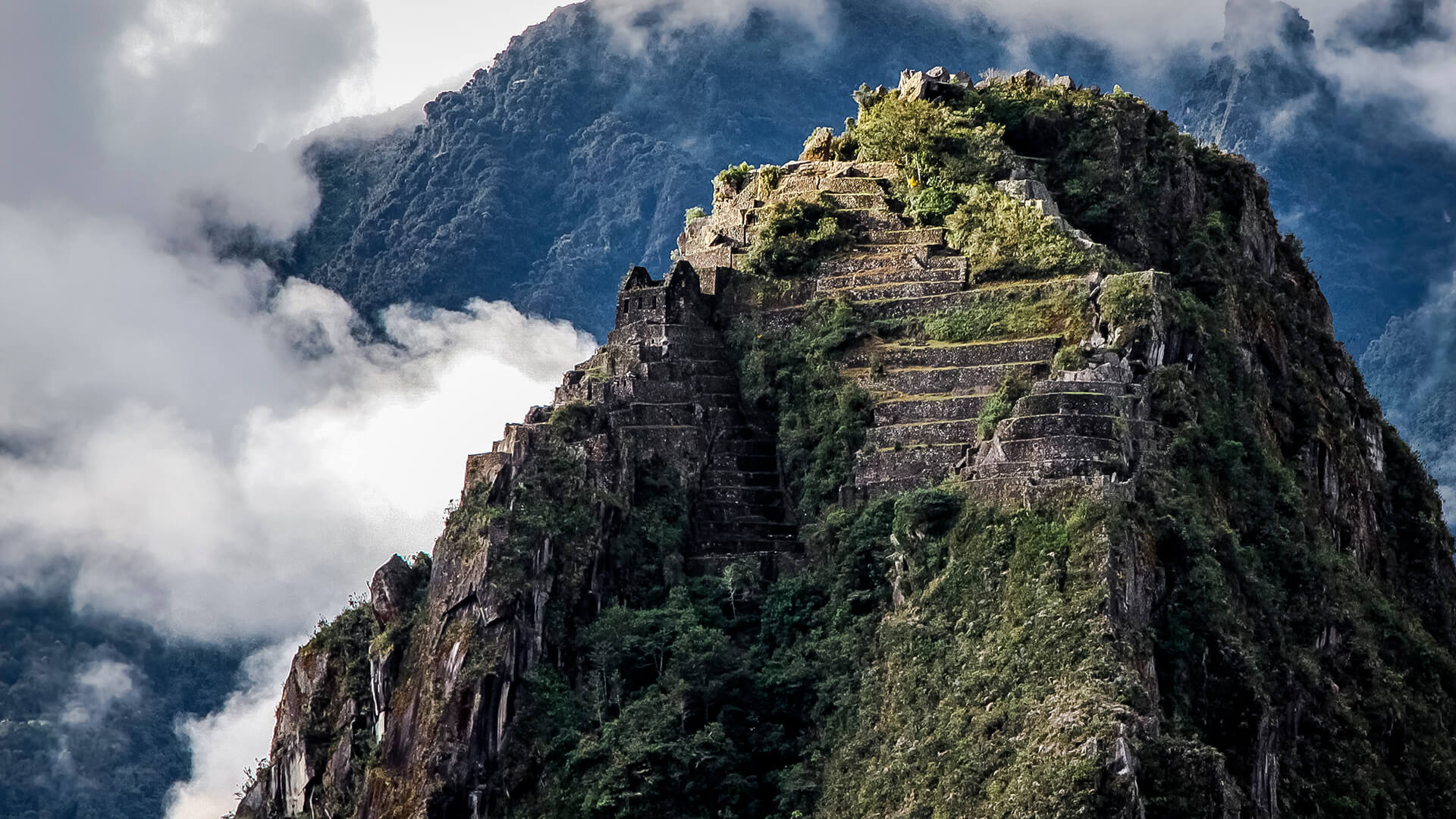
Set amidst the dramatic peaks of the Peruvian Andes, Huayna Picchu rises above the legendary citadel of Machu Picchu, offering one of the most thrilling and visually stunning hikes in South America. Known for appearing in countless iconic images of the Inca sanctuary, this mountain invites explorers, history lovers, and photography enthusiasts to witness its magic firsthand. This guide covers the tickets, the trail and the rules for 2026, and how to fit the climb into a trip that continues to Lake Titicaca, Bolivia or the rest of South America.
What Exactly is Huayna Picchu?
Also called Wayna Picchu, this striking peak towers over the ruins of Machu Picchu. Its Quechua name means “young mountain”, referencing its prominent yet fresh profile among the surrounding range. At an altitude of about 2,693 meters (8,835 feet), Huayna Picchu offers both a physically demanding trail and spectacular viewpoints that make the journey unforgettable.
Historical Importance
An Incan Spiritual Hub
Far from being just a dramatic backdrop, Huayna Picchu was a sacred part of the Inca religious and defensive system. The Incas engineered terraces and ceremonial structures along its steep slopes, transforming the peak into a sanctuary with both spiritual and military functions.
Rediscovery and Conservation
Though Machu Picchu gained global recognition after Hiram Bingham’s 1911 expedition, Huayna Picchu only began to draw attention later. Over time, restoration efforts have ensured its preservation, and today it stands as a symbol of Incan craftsmanship and resilience.
Reasons to Hike Huayna Picchu
Adventure and Adrenaline
If you’re looking for a hike that challenges your body and rewards your senses, this is it. The trail includes sharp inclines and the legendary “Death Stairs”, giving you an adrenaline rush as you ascend. Reaching the summit delivers awe-inspiring views of the citadel and beyond.
Cultural Immersion
Every step up Huayna Picchu is a step into Inca history. Discover ancient temples and agricultural terraces that reveal how the Incas lived, worshipped, and connected with nature.
Unmatched Views
At the peak, a 360-degree panorama of the Andes, the Urubamba River, and Machu Picchu itself awaits. Whether you’re a seasoned photographer or a casual traveler, these views are breathtaking.
Geographical Info
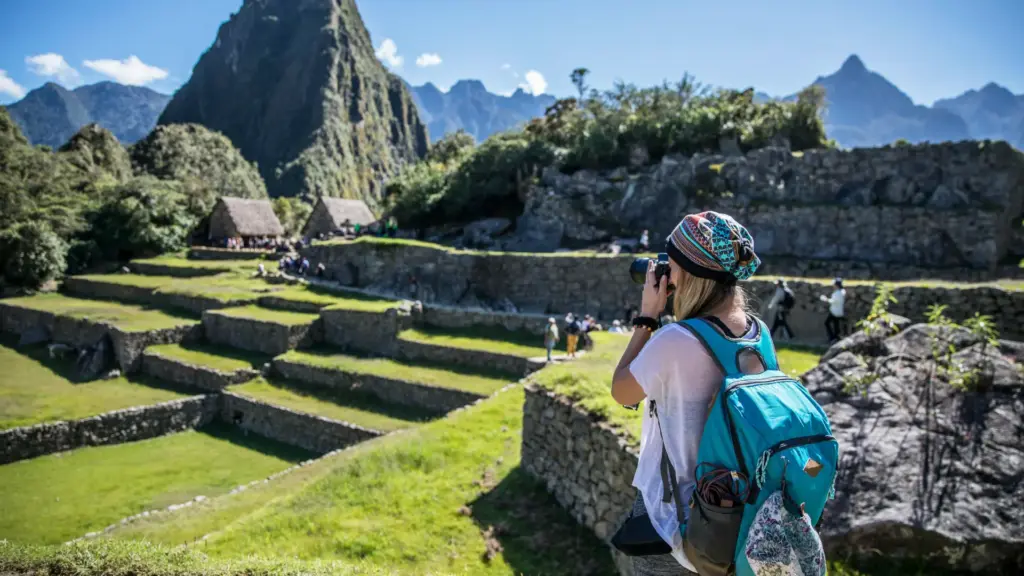
Located in Peru’s Cusco Region, Huayna Picchu is nestled in the Vilcabamba mountain range within the Machu Picchu Historic Sanctuary, roughly 80 km (50 miles) from the city of Cusco.
Altitude Details
- Huayna Picchu Peak: 2,693 meters (8,835 feet)
- Machu Picchu Ruins: 2,430 meters (7,970 feet)
Hiking Details
The Trail
This 2.4 km (1.5-mile) trail is not for the faint of heart. It starts at a common path shared with Machu Picchu and then branches off to the right. Around 750 stone steps lead you to the summit, with cables provided at steeper sections.
The Death Stairs
One of the most intense parts of the trail, these steep and narrow steps add excitement to your climb. While they may appear daunting, the steel-cable handrails, renewed in 2026, make them manageable with caution and focus.
Options at the Summit
- Short Route: Return along the original path.
- Extended Route: Visit the Temple of the Moon, then descend through forest trails.
At the top, you’ll find sacred sites and a vibrant natural setting filled with orchids and wildlife.
Huayna Picchu tickets and rules in 2026
Huayna Picchu is not a separate site: it is Route 3-A of Circuit 3 (Machu Picchu Realeza) of the Machu Picchu ticket system, and the route passes through the lower part of the citadel before the climb. Tickets are sold by Peru’s Ministry of Culture and sell out first in the high season, so we book them together with your entrance, train and bus. Every one of our Peru journeys includes a guided day at Machu Picchu, such as the Peru & Bolivia Highlights (14 days) and the Peru & Bolivia Discovery (16 days); ask us to add Huayna Picchu when you book.
| Rule | Huayna Picchu (Route 3-A) |
|---|---|
| Entry times | Two slots, at 7:00 and 10:00; there is no grace period at the mountain checkpoint |
| Daily capacity | 400 visitors a day, 200 per slot |
| Maximum stay | Six hours on the route |
| Children | Visitors aged 3 to 17 must be with an adult; the climb suits confident teenagers |
| Not allowed | Walking sticks and trekking poles, umbrellas, tripods and selfie sticks, under the sanctuary’s rules |
| Alternative | Machu Picchu Mountain (Route 1-A), higher and less steep, with slots at 7:00 and 9:00 |
The route covers only part of the citadel; if you also want the classic panoramic views from the upper terraces, ask us to book a second ticket for another circuit. Huayna Picchu was closed for conservation work in June 2026 and reopened in July with new steel-cable handrails and extra steps on the steepest sections. Ticket prices change, so we confirm the current fee when we book.
Fitting Huayna Picchu into a multi-country trip
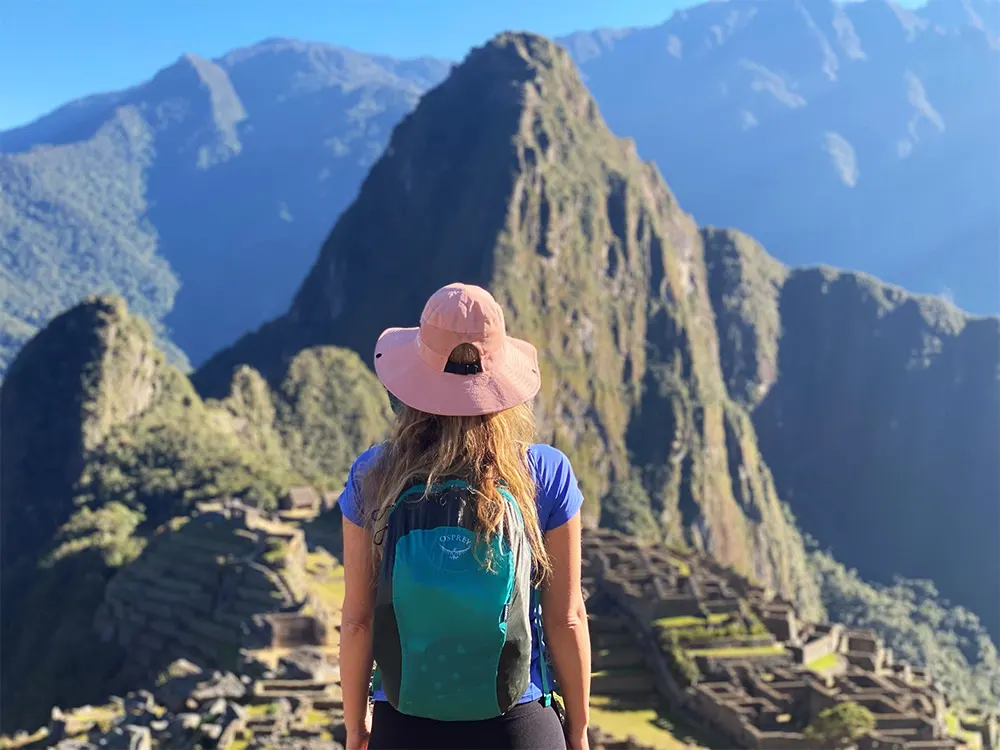
On all 12 of our journeys with Peru, Machu Picchu is a full day from the Sacred Valley, with a guided visit of Circuit 1 or 2. The Huayna Picchu ticket is not included, because not everyone wants the climb, but we add it if you ask for it when you book. A few things to weigh first:
- The time slot: on a day trip by train from Ollantaytambo, the 10:00 slot is the one that fits. The 7:00 slot means sleeping in Machu Picchu town the night before.
- One ticket or two: Route 3-A covers only part of the citadel. To climb and also see the classic views from the upper terraces, ask for a second ticket for Circuit 1 or 2.
- Book it with the trip: with 400 places a day, Huayna Picchu sells out first from May to September. If you are planning a long journey months ahead, ask for it at the start.
- Your energy: the summit is lower than Cusco, so the altitude is rarely the problem; the steep steps are. If you prefer a gentler morning, Machu Picchu Mountain is less steep. Compare the options in our guide to a Machu Picchu day tour or 2 days.
The climb fits any of our routes: the Peru & Bolivia Highlights (14 days) and the Peru & Bolivia Discovery (16 days) continue to Lake Titicaca and Bolivia, the Peru, Bolivia & Chile Expedition (21 days) to the Atacama, and the Ecuador & Peru Highlights (15 days) begins in Quito and the Galápagos.
See where Machu Picchu falls on each journey
Overland, train or boatFlight
- 1Lima 2 nights
- 2Sacred Valley 2 nights
- 3Machu Picchu day trip
- 4Cusco 3 nights
- 5Puno (Lake Titicaca) 2 nights
- 6La Paz 2 nights
- 7Uyuni 1 night
- 6La Paz 1 night
Best Time to Go
Dry Season (April–October)
- Pros: Clear skies, safer paths, fewer insects
- Cons: Larger crowds from June to August
Rainy Season (November–March)
- Pros: Green landscapes, cooler weather, more solitude
- Cons: Wet and muddy trails, unpredictable conditions
Recommended Months: March, April, September, and October offer a sweet spot for weather and crowd control.
Packing List
- Clothes: Breathable layers, waterproof gear, warm outerwear
- Shoes: Quality hiking boots with strong grip
- Accessories: Hat, sunglasses, sunscreen, insect repellent
- Essentials: Water (2L+), snacks, first-aid kit, camera
Things to Do in Aguas Calientes
Before or after your trek, take time to enjoy this village:
Hot Springs
Unwind and recover in its natural thermal baths.
Handicraft Market
Shop for handmade crafts, textiles, and souvenirs.
Local Food
Try regional dishes like trout, quinoa soup, and alpaca steak.
Manuel Chávez Ballón Museum
Dive deeper into the historical context of Machu Picchu.
Mandor Gardens
Explore waterfalls, orchids, and birdlife in this serene nature spot.
Frequently asked questions
Do I need to book ahead for Huayna Picchu?
Yes. Only 400 people a day can climb, in two slots at 7:00 and 10:00, so book months ahead for the high season.
Is the hike dangerous?
Not if you’re careful. The stairs are steep, but with proper footwear and awareness, it’s safe.
How long does the hike take?
Roughly 1.5 hours up and the same time down — plan for around 3 hours total.
Is there an age limit?
There is no official age limit published for the climb itself; visitors aged 3 to 17 must be with an adult, and the steep trail suits confident teenagers better than young children.
What is the difficulty level?
It’s considered a challenging hike due to its steep and narrow paths.
When should I go?
Morning hikes provide cooler weather and better lighting.
Can I use trekking poles?
No. The sanctuary’s rules do not allow walking sticks or trekking poles.
Is Huayna Picchu lower than Machu Picchu Mountain?
Yes. Machu Picchu Mountain is taller, standing at about 3,080 meters.
What can I see along the trail?
You’ll find temples, terraces, and the mystical Temple of the Moon.
What’s the difference between the two mountains?
Huayna Picchu is steeper and closer to the ruins. Machu Picchu Mountain offers a more expansive view.
Can I climb Huayna Picchu on a day trip from the Sacred Valley?
Yes, with the 10:00 slot. The 7:00 slot needs a night in Machu Picchu town, because the first trains from the valley arrive too late for it.
Is it worth it?
Without a doubt! The mix of challenge, beauty, and history makes it unforgettable.
Top Tips for the Hike
- Start Early: Avoid heat and crowds.
- Stay Hydrated: Bring plenty of water.
- Take Breaks: Listen to your body.
- Wear the Right Gear: Proper boots are crucial.
- Respect Nature: Follow Leave No Trace practices.
- Hire a Local Guide: Gain deeper insight into the history and nature of the site.
Huayna Picchu is more than just a mountain — it’s an adventure that weaves together nature, culture, and excitement. From navigating ancient stairways to witnessing the grandeur of the Andes, it’s a bucket-list experience you won’t soon forget.
Planning a longer trip? See where Machu Picchu falls on each of our journeys in our guide to a Machu Picchu day tour or 2 days, or start planning a tailor-made trip and tell us you want to climb Huayna Picchu.
Ready to Experience This Firsthand?
Our travel consultants design your itinerary around your dates, pace and hotel style.

Wilfredo Zúñiga Huamanguillas
Anthropologist & Hospitality Professional | South America Travel ExpertAnthropologist, hospitality professional and South America travel expert with 11 years of experience in tourism, trained at the Universidad Nacional de San Antonio Abad del Cusco. Wilfredo writes about the people, traditions and landscapes of the continent, from the Andes and Machu Picchu to Patagonia, Brazil and the Amazon.
More about Wilfredo →