
Patagonia is one of the great hiking destinations on Earth: granite towers rising above turquoise lakes, glaciers you can walk on and trails that start at your hotel door. The two classic areas are Torres del Paine in Chile, home of the W Trek, and El Chaltén in Argentina, below Mount Fitz Roy. They are only a few hours apart by road, so most hiking trips combine both.
Best monthsOctober to April; March and April are calmer
Time needed7 days for the W Trek; 10 to 14 days to add El Chaltén
EffortFrom easy walks to multi-day treks
AltitudeLow: the highest pass on the O Circuit is about 1,200 m
Book ahead6 to 9 months for December to February
This guide compares the best hikes in Patagonia with real distances, times and climbs, explains the booking rules for the 2026–27 season and shows three sample hiking trips you can adapt. Whether you want to walk the full W with a pack or hike by day and sleep in a lodge, we design it around your pace.
How hard is hiking in Patagonia? Our difficulty scale
Patagonia’s trails are not high, but they are long and the weather changes quickly. The wind is often the hardest part of the day. We rate every hike with the same four levels, so you can compare routes in Chile and Argentina:
| Level | What it means |
|---|---|
| ●○○○ Easy | Up to 3 hours on good paths with little climbing. Anyone who walks regularly can do it. |
| ●●○○ Moderate | 4 to 6 hours with some steady climbs. You should be comfortable walking for half a day. |
| ●●●○ Challenging | 7 to 10 hours and 600 to 900 m of climbing, often with a steep, rocky final section. For fit, regular hikers. |
| ●●●● Multi-day | Several days on the trail, sleeping in refugios, domes or campsites. Good fitness and some hiking experience needed. |
The best hikes in Patagonia at a glance
Distances and times are approximate and depend on the trailhead, the weather and your pace. We confirm current conditions when we plan your trip.
| Hike | Where | Distance | Time | Climb | Level |
|---|---|---|---|---|---|
| W Trek | Torres del Paine, Chile | About 72–80 km | 4–5 days | Up to about 800 m a day | ●●●● Multi-day |
| O Circuit | Torres del Paine, Chile | About 93 km | 7–9 days | John Gardner Pass, about 1,200 m | ●●●● Multi-day |
| Mirador Las Torres (Base Torres) | Torres del Paine, Chile | About 19 km return | 8–10 hours | About 800 m | ●●●○ Challenging |
| French Valley (Mirador Británico) | Torres del Paine, Chile | About 20 km return | 7–9 hours | About 700 m | ●●●○ Challenging |
| Grey Glacier | Torres del Paine, Chile | About 22 km return | 6–7 hours | About 500 m | ●●○○ Moderate |
| Mirador Cuernos | Torres del Paine, Chile | About 6.5 km return | About 2 hours | Little | ●○○○ Easy |
| Laguna de los Tres (Fitz Roy) | El Chaltén, Argentina | About 25 km return | 8–9 hours | 800–900 m | ●●●○ Challenging |
| Laguna Torre (Cerro Torre) | El Chaltén, Argentina | About 19 km return | 6–8 hours | Gentle | ●●○○ Moderate |
| Mirador Los Cóndores | El Chaltén, Argentina | About 4 km return | About 2 hours | Short climb | ●○○○ Easy |
| Perito Moreno Minitrekking | Los Glaciares, Argentina | A short walk on the ice | About 1 h 30 min on the ice | Little | ●●○○ Moderate |
| Perito Moreno Big Ice | Los Glaciares, Argentina | Deep into the glacier | A full day | Moderate | ●●●○ Challenging |
| Laguna Esmeralda | Ushuaia, Argentina | About 9 km return | About 4 hours | Little, but muddy | ●●○○ Moderate |
| Refugio Frey | Bariloche, Argentina | About 20 km return | 7–8 hours | About 750 m | ●●●○ Challenging |
Where the main hiking bases are: El Chaltén and El Calafate in Argentina, Torres del Paine and Puerto Natales in Chile, plus Ushuaia and Bariloche at each end of Patagonia.
Torres del Paine, Chile: the W Trek and beyond
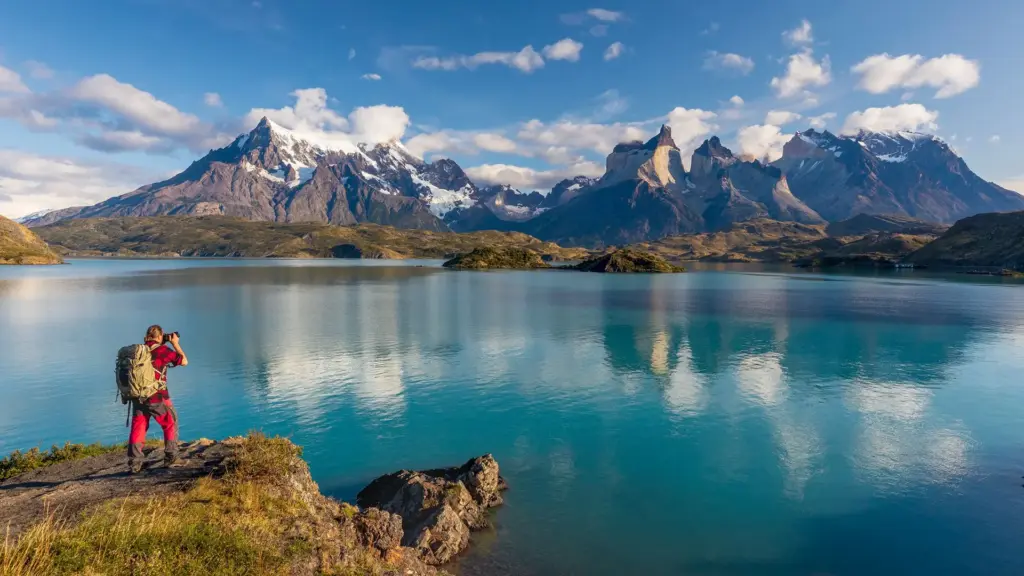
Torres del Paine National Park is the most famous trekking destination in South America. Its trails link three valleys below the Paine Massif, and most of them can be walked as day hikes from a lodge or joined into a multi-day trek.
The W Trek
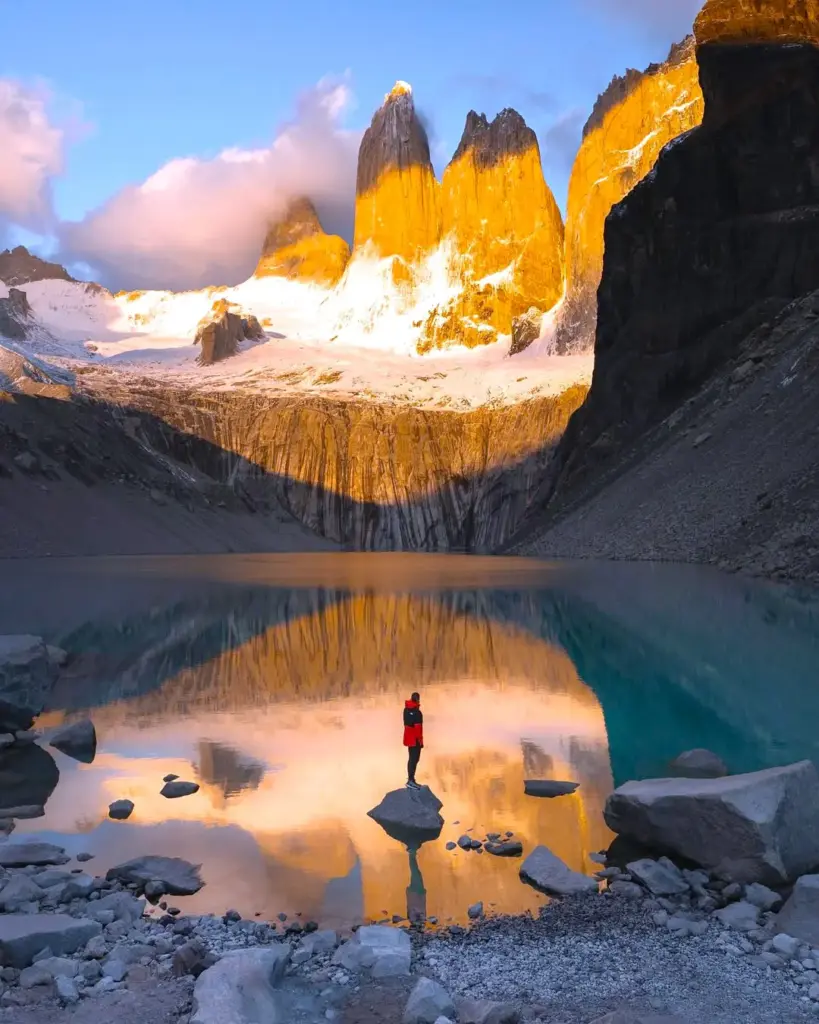
The W is named after the shape of its route. It visits the three great sights of the park: the base of the towers, the French Valley between the Cuernos and Paine Grande, and the Grey Glacier. It covers about 72 to 80 km in four or five days, and most hikers walk it from east to west, finishing with the catamaran across Lake Pehoé. You sleep in refugios, domes or campsites run by two companies, Las Torres and Vertice, so a full W usually needs bookings with both.
- Day 1: Mirador Las Torres, the steep climb to the lagoon below the three towers.
- Day 2: along Lake Nordenskjöld to Los Cuernos.
- Day 3: the French Valley, the hardest and most spectacular day, to Paine Grande.
- Day 4: the Grey Glacier viewpoints, then back to Paine Grande for the catamaran.
The W does not require a guide, but a guide makes a real difference: they read the weather, adjust the timing of each climb, explain the geology, flora and wildlife, and take care of all the logistics.
The O Circuit
The O adds the remote northern side of the massif to the W: about 93 km in seven to nine days, crossing the John Gardner Pass at about 1,200 m with views over the Southern Patagonian Ice Field. It is walked in one direction only, opens only in the summer season and needs experience with long days and camping.
Day hikes from a lodge
You do not have to carry a pack to see the best of the park. From a lodge you can hike to Mirador Las Torres one day, walk to the Grey Glacier or Mirador Cuernos the next, and add a boat trip to the Balmaceda and Serrano glaciers on a rest day. Puma tracking walks with specialist guides are another highlight around the park.
El Chaltén and Los Glaciares, Argentina: Fitz Roy and the ice
El Chaltén is Argentina’s trekking capital: a small village inside Los Glaciares National Park where the trails start at the end of the street. That makes it the easiest place in Patagonia for day hiking, with a comfortable bed and a good dinner every night.
Laguna de los Tres (Mount Fitz Roy)
The best day hike in Argentina. About 25 km return and 8 to 9 hours, through lenga forests and past Laguna Capri, to the glacial lake at the foot of Fitz Roy. The last stretch climbs about 400 m in a little over an hour on loose rock; it is the hardest part of the day, and the view at the top is the reward. In winter and spring, the final section can be covered in snow.
Laguna Torre (Cerro Torre)
A gentler full day to the glacial lake below Cerro Torre, often with icebergs floating in it. It is the hike we suggest for the first day in El Chaltén or for windy days, when the Fitz Roy trail is more exposed.
Short hikes around the village
The viewpoints of Los Cóndores and Las Águilas take about two hours and show Fitz Roy, Cerro Torre and Lake Viedma on clear days. They are perfect for the afternoon you arrive.
Walking on the Perito Moreno Glacier
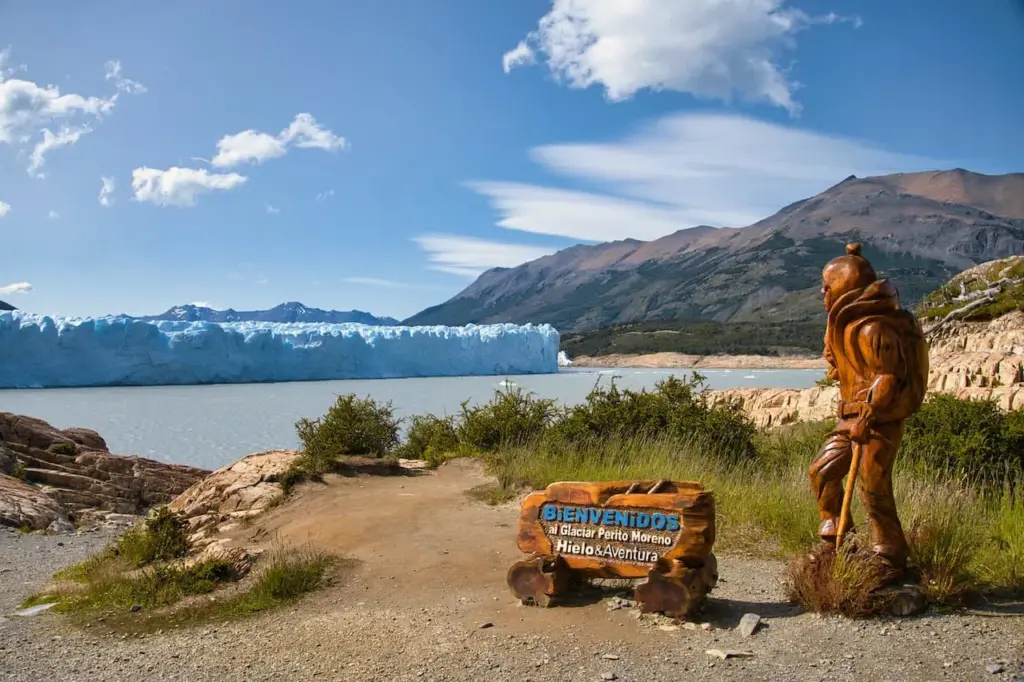
Near El Calafate you can walk on the ice itself with crampons and a mountain guide. The Minitrekking spends about an hour and a half on the glacier and is open to ages 8 to 65. Big Ice goes much deeper into the ice field on a long, demanding day and is for ages 18 to 50. Both sell out in high season, so we book them with the rest of your trip. Read more in our guide to exploring the Perito Moreno Glacier.
More hiking in Patagonia: Ushuaia and Bariloche
Ushuaia, the southernmost city in the world, has short trails along the Beagle Channel in Tierra del Fuego National Park and the walk through peat bogs to Laguna Esmeralda. Bariloche, in the Lake District, is the gateway to northern Patagonia’s mountain refugios, such as Refugio Frey below the granite spires of Cerro Catedral. Both are easy to add to a longer Patagonia trip; see our guide to the top places to visit in Argentine Patagonia.
Lodge, refugio or tent: choose your hiking style
| Trip style | You sleep in | You carry | Best for |
|---|---|---|---|
| Lodge-based day hikes | A lodge or hotel, the same bed for several nights | A day pack | Comfort, couples and families; seeing the highlights without camping |
| Refugio-to-refugio trek | Mountain refugios or domes, meals included | A day pack plus your clothes (about 8–10 kg) | Walking the full W Trek without a tent |
| Camping trek | Tents at official campsites | Tent, sleeping bag and food, unless you hire porters or rent at the campsites | Experienced hikers and the O Circuit |
| All-inclusive adventure lodge | A lodge inside or next to the park | A day pack | Daily guided hikes chosen each evening, with meals and transfers included |
Our travellers usually prefer a lodge for comfort, a well-chosen refugio night or two for the W, or an all-inclusive lodge where the guides plan each day around the weather. We work with lodges such as explora, Tierra Patagonia, Awasi, EcoCamp and Los Cerros del Chaltén, and choose the one that fits your plans.
When to hike in Patagonia
| Months | Trail conditions | Crowds | Our advice |
|---|---|---|---|
| October–November | Spring. Trails and refugios open for the season; cold nights and snow still possible on high sections | Moderate | Good for day hikes and the W; book the O Circuit only once its season opening is confirmed |
| December–February | Summer. Warmest weather and the longest days, but the strongest winds | High | The classic trekking season: book refugios and lodges 6 to 9 months ahead |
| March–April | Autumn. Calmer winds, red and gold lenga forests, cooler days | Moderate | Our favourite time for hiking; some refugios close during April |
| May–September | Winter. Snow, ice and short days; many refugios and campsites closed | Low | Only short, guided hikes with winter equipment. In El Chaltén, hikers must register at the visitor centre |
Wind is the constant in Patagonia, and gusts are strongest from December to February. Days are long in summer, which gives you time to wait for the clouds to lift from the towers. See our full guide to the best time to visit Patagonia.
Permits and bookings for the 2026–27 season
- Torres del Paine overnight stays must be booked in advance. You cannot start a multi-day trek without confirmed refugio or campsite reservations, and there is nowhere to book once you are in the park.
- Park entrance tickets for Torres del Paine are sold on the official pasesparques.cl portal.
- Two companies run the W. Refugios and campsites belong to Las Torres and Vertice, so a full W needs bookings with both, in the right order.
- El Chaltén now charges a park fee. Argentina’s National Parks administration charges an entrance fee for the trails of Los Glaciares around El Chaltén, and tickets for the northern trailheads are sold online only and paid by card (official fees).
- Glacier treks and lodges sell out for December to February. Booking 6 to 9 months ahead gives you the best choice.
We handle all of it as part of your trip: park tickets, refugios with both companies, lodges, glacier treks, transfers and guides.
Sample Patagonia hiking trips
Every trip is tailor-made, so these are starting points. We change the pace, the hikes and the places you sleep to suit you.
7 days: the W Trek with refugios (Chile)
- Day 1: Arrive in Punta Arenas and transfer to Puerto Natales, about 3 hours by road.
- Day 2: Transfer to Torres del Paine and hike to Mirador Las Torres.
- Day 3: Walk along Lake Nordenskjöld to Los Cuernos.
- Day 4: The French Valley and Mirador Británico, then on to Paine Grande.
- Day 5: Hike to the Grey Glacier viewpoints, then cross Lake Pehoé by catamaran and return to Puerto Natales.
- Day 6: Rest day, or a boat trip to the Balmaceda and Serrano glaciers.
- Day 7: Transfer to the airport for your flight home.
Overland, train or boat
10 days: Torres del Paine and El Chaltén, hiking from lodges (Chile and Argentina)
- Day 1: Arrive in Punta Arenas and transfer to your lodge near Torres del Paine.
- Days 2–4: Day hikes from the lodge: Mirador Las Torres, the Grey Glacier or the French Valley, and Mirador Cuernos.
- Day 5: Cross the border by road to El Calafate.
- Day 6: Minitrekking or Big Ice on the Perito Moreno Glacier.
- Day 7: Transfer to El Chaltén and hike to Mirador Los Cóndores.
- Day 8: Laguna de los Tres, below Mount Fitz Roy.
- Day 9: Laguna Torre, or a rest day if the weather turns.
- Day 10: Return to El Calafate for your flight.
Overland, train or boat
6 days: El Chaltén and the Perito Moreno Glacier (Argentina)
- Day 1: Arrive in El Calafate.
- Day 2: Hike on the Perito Moreno Glacier and walk its boardwalks.
- Day 3: Transfer to El Chaltén, about 3 hours by road, and hike to Mirador Los Cóndores.
- Day 4: Laguna Torre.
- Day 5: Laguna de los Tres.
- Day 6: Return to El Calafate for your flight.
Want more than hiking? Our Argentina and Chile Southern Soul (16 days) and Chile Highlights (13 days) itineraries include Torres del Paine and can add any of these hikes. See all our Patagonia tours.
What to pack for hiking in Patagonia
- A windproof and waterproof jacket and waterproof trousers, even for a sunny forecast.
- Layers: a thermal base layer, a fleece and a light down jacket for the stops.
- Broken-in hiking boots with ankle support; the descents on loose rock are hard on the feet.
- Trekking poles, a great help in strong wind and on the steep sections to Las Torres and Laguna de los Tres.
- Gloves, a warm hat, sunglasses and high-factor sunscreen: the sun is strong at this latitude.
- A day pack of 25–35 litres with a rain cover; for refugio treks, a 40-litre pack is enough.
- For camping: a sleeping bag rated to about 0 °C, unless you rent one at the campsites.
More tips in our packing guide for Argentina.
Why hike Patagonia with a private guide?
- Your pace: no group to keep up with, and the hikes change if you feel strong or need a rest.
- The weather: a guide moves the big hike to the clearest day and knows when the wind is too strong for an exposed trail.
- Logistics solved: refugios with both W companies, park tickets, transfers, boats and border crossings booked in the right order.
- Comfort after the trail: lodges and hotels chosen for a hot shower, a good meal and a quiet night.
Not a hiker? Our guide to Patagonia tours for seniors shows the highlights without trekking, and our Patagonia honeymoon guide adds the most romantic lodges. Tell us what you would like to walk and we will design your trip: start planning your Patagonia hiking trip.
Frequently asked questions
Do I need a guide to hike the W Trek?
No, the W can be hiked without a guide, but every night must be booked in advance with the two companies that run the refugios and campsites. A guide adds safety in bad weather, explains the park and takes care of the logistics.
How many days do I need for hiking in Patagonia?
Plan 7 days for the W Trek, or 10 to 14 days to combine Torres del Paine with El Chaltén and the Perito Moreno Glacier. The O Circuit alone takes 7 to 9 days on the trail.
What is the best month to hike in Patagonia?
The season runs from October to April. December to February has the warmest weather and the longest days but the strongest winds and the most hikers. March and April are calmer, with autumn colours and fewer people.
Can beginners hike in Patagonia?
Yes. Short trails such as Mirador Cuernos and Mirador Los Cóndores suit anyone who walks regularly, and lodge-based trips let you choose each hike on the day. The long day hikes and the W Trek need good fitness.
Is altitude a problem in Patagonia?
No. Unlike the Andes of Peru or Bolivia, Patagonia is low: El Chaltén and Puerto Natales are close to sea level, and the highest pass on the O Circuit is about 1,200 m.
Can I hike the W Trek and sleep in hotels?
Yes, in part. From a lodge or hotel in the park you can walk the main sections of the W as day hikes, such as Mirador Las Torres, the Grey Glacier and Mirador Cuernos, without carrying a pack.
Torres del Paine or El Chaltén: which is better for hiking?
Both, ideally. Torres del Paine has the classic multi-day trek and the most varied landscapes; El Chaltén has free-standing day hikes that start from the village. They are a few hours apart by road, across the border.
How far in advance should I book a Patagonia hiking trip?
For December to February, 6 to 9 months ahead, because refugios, lodges and glacier treks sell out. For the shoulder seasons, 3 to 4 months is usually enough.
Ready to Experience This Firsthand?
Our travel consultants in Cusco design your itinerary around your dates, pace and hotel style.

Wilfredo Zúñiga Huamanguillas
Anthropologist & Hospitality Professional | South America Travel ExpertAnthropologist, hospitality professional and South America travel expert with 11 years of experience in tourism, trained at the Universidad Nacional de San Antonio Abad del Cusco. Wilfredo writes about the people, traditions and landscapes of the continent, from the Andes and Machu Picchu to Patagonia, Brazil and the Amazon.
More about Wilfredo →