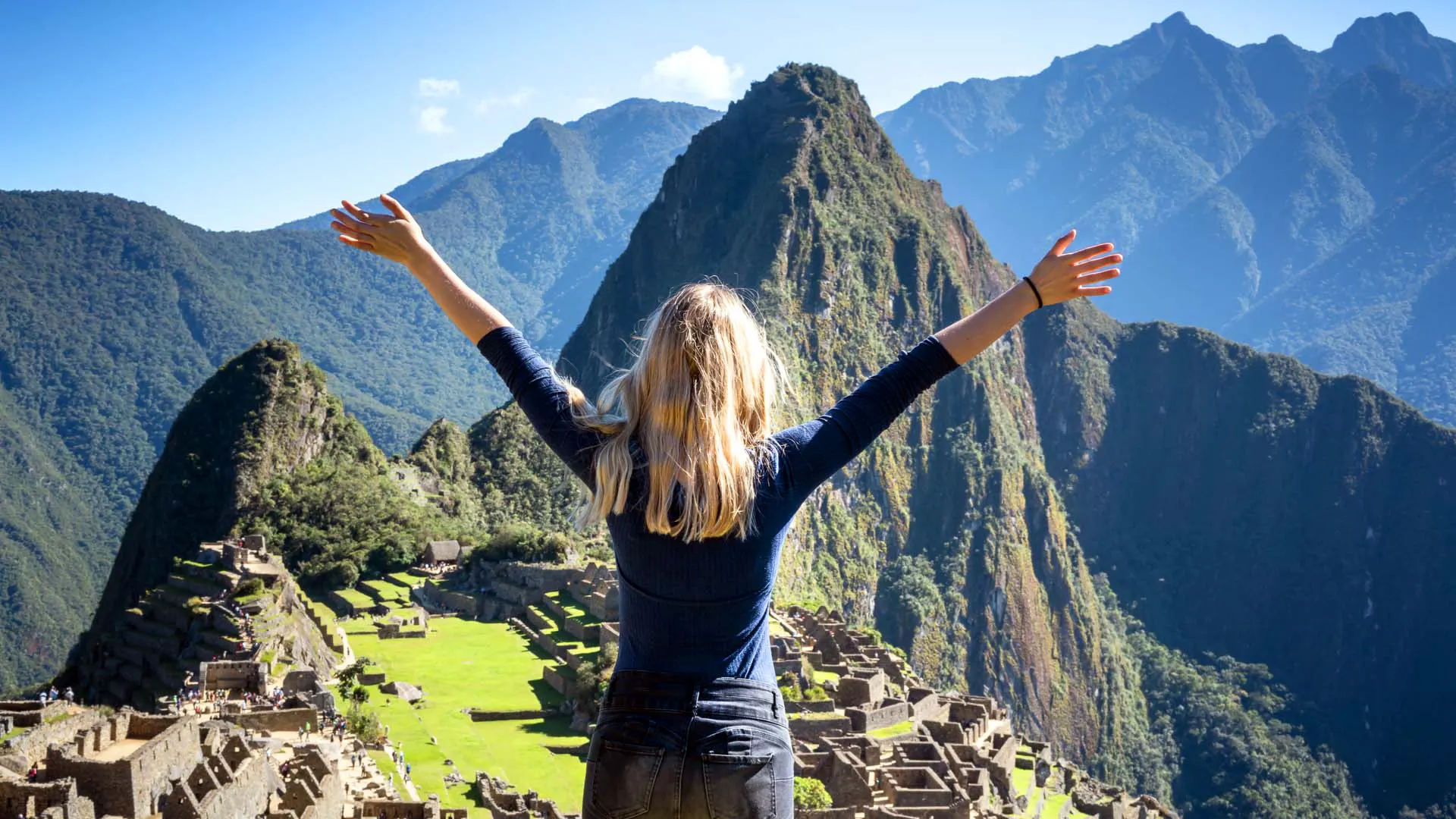

Argentine Patagonia is one of the world’s last wild frontiers, a land that stretches from the towering Andes to the Atlantic coast. With its snowcapped peaks, expansive glaciers, crystal-clear lakes, and untamed steppe, it offers an unrivaled array of natural wonders. For travelers seeking unforgettable landscapes and a deep connection with nature, this is the ultimate bucket-list destination.
This in-depth guide created by South American Luxe unveils the top places to visit in Argentine Patagonia, including insider tips and travel recommendations to help you make the most of your Patagonian adventure. Whether you’re into hiking, wildlife spotting, or just soaking in breathtaking views, Patagonia will leave you in awe.
[ez-toc]
1. San Carlos de Bariloche – Alpine Charm in the Andes
Nestled on the shores of Lago Nahuel Huapi in the province of Río Negro, Bariloche is a dreamlike destination that blends alpine architecture with pristine natural beauty. Known as the gateway to the Argentine Lake District, this city offers year-round adventure and cultural experiences.
Top Experiences in Bariloche
- Circuito Chico: A scenic drive offering panoramic views from Cerro Campanario – one of the most spectacular viewpoints in Patagonia.
- Nahuel Huapi National Park: Ideal for hiking, kayaking, and boat excursions amidst dense forests and glacial lakes.
- Swiss Colony (Colonia Suiza): A charming village known for its traditional market and local gastronomy.
- Ruta de los 7 Lagos: A scenic route connecting Bariloche and Villa La Angostura through stunning lake landscapes.
In winter, the nearby Cerro Catedral ski resort becomes a hub for snow sports enthusiasts. In summer, mountain biking and kayaking take center stage. Don’t leave without sampling local artisanal chocolates and craft beers, a Bariloche specialty.
2. Villa La Angostura – Nature’s Quiet Retreat
Located on the northern shore of Lago Nahuel Huapi in Neuquén province, Villa La Angostura offers tranquility, elegance, and incredible mountain scenery. It’s often referred to as the “Garden of Patagonia” for its picturesque setting and serene vibe.
What to Do in Villa La Angostura
- Los Arrayanes National Park: Home to a rare forest of cinnamon-colored arrayán trees, accessible via a scenic hike or bike ride.
- Local gastronomy: Enjoy delicacies like smoked trout, gourmet cheeses, and regional chocolates in cozy mountain lodges.
- Panoramic viewpoint tours: Discover hidden trails and photo-worthy landscapes all around the village.
Villa La Angostura is also a starting point for exploring the famed Seven Lakes Road, a must-see route in any Patagonian itinerary.
3. San Martín de los Andes – Lakeside Serenity
Further along the Seven Lakes Route lies the town of San Martín de los Andes, set on the shores of Lago Lácar. With its wooden chalets and cobbled streets, the town has a cozy alpine feel and is perfect for travelers looking to unwind in nature.
Activities Around San Martín
- Lanín National Park: A stunning expanse of forests, rivers, and trails. Home to the majestic Lanín Volcano, visible from miles away.
- Fishing and boating: The lake and nearby rivers are prime spots for fly fishing and peaceful boat rides.
- End (or start) of the Seven Lakes Route: San Martín marks one end of this legendary road trip that’s packed with photo opportunities.
This destination is perfect for nature lovers seeking adventure without the crowds. Whether you’re hiking through forests or just relaxing by the lake, San Martín de los Andes offers pure tranquility.
4. El Bolsón – Patagonia’s Bohemian Hideaway
Cradled in a fertile valley between mountain ranges, El Bolsón is a paradise for eco-conscious travelers and nature enthusiasts. Known for its alternative vibe and organic culture, this town boasts artisan markets, lush landscapes, and plenty of outdoor activities.
Highlights of El Bolsón
- Cerro Piltriquitrón: Offers jaw-dropping views and features the “Bosque Tallado”, a forest of wood carvings.
- Local Market: Shop for handmade goods, natural cosmetics, and delicious artisanal foods and beers.
- Cajón del Azul: A breathtaking hiking trail that leads to turquoise river gorges and suspension bridges.
- Lago Puelo: Just south of town, this tranquil lake offers kayaking, swimming, and beautiful picnic spots.
El Bolsón is ideal for travelers who appreciate authenticity, connection with nature, and sustainable travel experiences. It’s one of the lesser-known treasures in Argentine Patagonia.
5. Puerto Madryn – Wildlife on the Atlantic Coast
For those fascinated by marine life, Puerto Madryn on the Atlantic coastline of Chubut is a must-visit. This vibrant coastal town is the gateway to Península Valdés, a UNESCO World Heritage Site known for its remarkable biodiversity.
Why Visit Puerto Madryn
- Southern right whale watching: From June to December, the coastline comes alive with these magnificent creatures.
- Marine wildlife: Spot Magellanic penguins, sea lions, elephant seals, and even orcas.
- Snorkeling with sea lions: An unforgettable experience in the calm waters near Punta Loma.
Puerto Madryn is one of South America’s top destinations for responsible wildlife tourism. A visit here adds a completely different dimension to your Patagonian adventure.
6. El Calafate – Gateway to the Glaciers
Located on the southern shore of Lago Argentino, El Calafate is widely known as the jumping-off point for exploring the awe-inspiring Los Glaciares National Park. This small Patagonian town has grown into a major tourist hub thanks to one of its most iconic attractions — the Perito Moreno Glacier.
Top Things to Do in El Calafate
- Perito Moreno Glacier: Witness massive ice calving events from panoramic walkways or take a boat ride right up to its towering ice walls.
- Glaciarium Museum: Learn about the science and history of Patagonia’s ice fields through interactive exhibits.
- Laguna Nimez Reserve: A peaceful birdwatching haven within walking distance of downtown.
- Artisan markets: Find handwoven textiles, leather goods, and Patagonian crafts made by local artists.
El Calafate is not just a stopover. Its vibrant center offers great restaurants, shops, and warm hospitality, making it a perfect base for multiple-day glacier adventures.
7. El Chaltén – Argentina’s Trekking Capital
Situated deep within the northern section of Los Glaciares National Park, El Chaltén is known as the “Trekking Capital of Argentina.” Surrounded by stunning peaks like Mount Fitz Roy, it’s a paradise for hikers and climbers from all over the world.
Must-Do Hikes in El Chaltén
- Laguna de los Tres: An all-day trek that rewards you with the closest view of Fitz Roy’s majestic towers.
- Laguna Capri: A shorter, scenic hike that offers panoramic views and is ideal for a first day’s outing.
- Sendero Condores: A quick hike to a viewpoint overlooking the village, with frequent condor sightings.
- Glaciar Huemul and Lago del Desierto: A side excursion for those who want to explore remote alpine lakes.
Important Tip: You should allocate at least two full days here to fully experience the region. Many trails require a full day, and weather conditions can shift rapidly, affecting visibility.
8. Perito Moreno Glacier – The Crown Jewel of Patagonia
No trip to Argentine Patagonia would be complete without a visit to the Perito Moreno Glacier, often called the eighth wonder of the world. Measuring nearly 200 square kilometers (the size of Buenos Aires), this immense wall of ice captivates visitors with its thunderous icefalls and surreal blue glow.
Ways to Experience Perito Moreno
- Boardwalks: Walk the network of trails and observation decks to admire the glacier from every angle.
- Boat tours: Get up close to the towering ice face and feel its immense power.
- Ice trekking: Join a guided mini-trek or full-day hike on the glacier itself for a once-in-a-lifetime experience.
- Guided tours: Travel from El Calafate with an expert guide who provides geological and historical insights.
Unlike other glaciers that are receding, Perito Moreno is one of the few in the world that is still advancing, making it a unique natural phenomenon that you absolutely must witness.
9. Ushuaia – At the End of the World
Known as the southernmost city on Earth, Ushuaia sits at the tip of Tierra del Fuego and offers a unique combination of rugged beauty, maritime history, and polar adventure. It’s where the Andes meet the sea and where travelers prepare for Antarctica expeditions.
Experiences in Ushuaia
- Beagle Channel Cruises: Sail past sea lions, penguin colonies, and the iconic “Lighthouse at the End of the World.”
- Tierra del Fuego National Park: Explore forests, lakes, and trails near the border with Chile.
- Laguna Esmeralda: A stunning turquoise lagoon reached via a moderate hike through forests and peat bogs.
- Glaciar Vinciguerra: A more demanding trek for those seeking off-the-beaten-path adventures.
- End of the World Train: A scenic railway that follows the route once used by prisoners in Ushuaia’s past.
Despite its reputation as an industrial port, Ushuaia has a unique charm and offers dramatic landscapes and unforgettable excursions that make it a highlight of any Patagonian itinerary.
How to Get to Argentine Patagonia
Given the vast size of Patagonia, getting around efficiently is crucial for maximizing your time. The most common entry point is Buenos Aires, which connects to regional airports in Bariloche, El Calafate, and Ushuaia via direct flights. Budget airlines such as JetSmart and Flybondi operate alongside Aerolíneas Argentinas, offering competitive prices.
Flight Options
- Bariloche: Ideal for exploring the Lake District and Seven Lakes Route.
- El Calafate: Best for accessing glaciers and El Chaltén.
- Ushuaia: Starting point for Tierra del Fuego and Antarctica tours.
- Puerto Madryn: Entrance to Península Valdés for wildlife lovers.
Flights are by far the fastest and most convenient way to travel between these distant regions, especially during shoulder or high seasons when routes are more frequent.
Overland Travel
- Route 40: Argentina’s legendary highway that runs along the Andes, connecting most major Patagonian cities.
- Route 3: Coastal route used for trips to Puerto Madryn and southern destinations.
- Bus services: Long-haul buses offer comfortable rides but take 20+ hours between cities.
- Car rentals: Offer flexibility and the opportunity to discover hidden gems off the beaten track.
For international travelers coming from Chile, several land crossings allow easy transit between Chilean and Argentine Patagonia, especially for those combining Torres del Paine with El Calafate or El Chaltén.
How to Travel Around Argentine Patagonia
Once you’re in Patagonia, getting from one destination to another can be challenging due to the region’s vast size and sparse infrastructure. The best way to travel depends on your time, budget, and appetite for adventure.
Best Ways to Move Around Patagonia
- Domestic flights: Ideal for long distances. Flights between Bariloche, El Calafate, and Ushuaia save you valuable days.
- Car rental: Perfect for those wanting to explore scenic routes like the Seven Lakes Road or Route 40. Offers flexibility but requires careful planning due to limited fuel stations and long distances.
- Buses: Comfortable long-distance buses connect major towns. Although slower, they are affordable and scenic.
- Guided tours: For specific excursions, such as the Perito Moreno Glacier or Beagle Channel cruises, tours often include transport and expert commentary.
Recommended Travel Combinations
- ?? Fly: Buenos Aires ? Bariloche ? El Calafate ? Ushuaia
- ? Drive: Bariloche ? Villa La Angostura ? San Martín de los Andes
- ? Bus: El Calafate ? El Chaltén
- ? Tour: El Calafate ? Perito Moreno Glacier (with guide)
- ? Taxi or rental: Around Ushuaia for hiking routes or the national park
How Many Days to Spend in Patagonia
Argentine Patagonia is not a weekend getaway – it demands time. The more days you can dedicate, the richer your experience will be. Here’s a general guide based on travel goals:
Ideal Duration by Region
| Destination | Minimum Days | Highlights |
|---|---|---|
| Bariloche | 5-6 | Seven Lakes, Cerro Catedral, Swiss Colony |
| El Calafate | 2-3 | Perito Moreno, Glaciarium, Lago Argentino |
| El Chaltén | 2-4 | Laguna de los Tres, Laguna Capri, hiking |
| Ushuaia | 3-4 | Beagle Channel, Tierra del Fuego NP, Glacier trekking |
| Puerto Madryn | 2-3 | Whale watching, penguins, Valdés Peninsula |
Suggested Itineraries
For 7–10 Days:
- Bariloche + El Calafate (or)
- El Calafate + El Chaltén
For 14–21 Days:
- Bariloche ? Villa La Angostura ? San Martín ? El Calafate ? El Chaltén ? Ushuaia
For 3–4 Weeks: Combine Argentine and Chilean Patagonia, rent a car for Route 40, or add less-visited gems like Esquel or Monte León National Park.
Best Time to Visit Argentine Patagonia
The best season to explore Patagonia depends on the type of adventure you’re seeking. While summer offers the best access, other seasons provide unique experiences too.
Seasonal Breakdown
- Spring (September–November): Ideal for fewer tourists, mild weather, and blooming landscapes. Great for trekking and wildlife.
- Summer (December–March): Peak travel season. Long daylight hours, warmer temperatures, and all trails and tours are open.
- Autumn (April–May): Colorful foliage and lower prices, though some services begin to close.
- Winter (June–August): Snowy wonderland ideal for skiing in Bariloche and Ushuaia, but limited access to some hiking trails and national parks.
For Wildlife Enthusiasts
- Whale watching: Best from June to December in Puerto Madryn.
- Penguin colonies: Arrive between September and March.
- Orcas and sea lions: Peak season in Valdés Peninsula is March and April.
Note: Argentina is in the Southern Hemisphere, so seasons are opposite to those in Europe and North America.
Essential Travel Tips for Patagonia
Electricity and Plug Type
Argentina uses Type C and Type I plugs. Voltage is 220V, 50Hz. Bring a universal adapter and ensure your electronics are compatible.
Packing Essentials
- Sunscreen and lip balm with SPF – the UV is intense.
- Insect repellent – useful in forested and lake areas.
- Layered clothing: Thermal underwear, waterproof jackets, and windbreakers are a must.
- Hiking boots: Waterproof and broken-in boots are critical for trail comfort.
Documents and Money
- Passport: Valid for at least 6 months. No visa required for EU or US citizens for stays under 90 days.
- Currency: Argentine Peso. While cards are accepted in major cities, always carry cash for remote areas.
- Budget card tip: Use international cards like N26 or Wise to avoid ATM fees.
Connectivity
- SIM card: Buy a prepaid local SIM on arrival or use an international eSIM like Holafly for continuous coverage.
- Wi-Fi: Available in most hotels and cafes, but expect slow speeds in remote areas.
Travel Insurance
Travel insurance is mandatory to enter Argentina. Choose a provider that covers medical emergencies, trekking, and possible flight cancellations. Always read the fine print.
Estimated Travel Budget
Despite Argentina’s favorable exchange rate for foreign travelers, Patagonia is the most expensive region in the country due to logistics and demand.
Sample 14-Day Budget (Per Person)
| Category | Estimated Cost (€) |
|---|---|
| Flights (Domestic) | 360 |
| Accommodation | 120 |
| Car rental (5 days) | 70 |
| Transportation (bus, taxis) | 150 |
| Excursions | 80 |
| Food | 150 |
| Total | 930 |
While this cost is above average for South America, the experiences in Patagonia are truly priceless. If you’re traveling as a group, some costs (like transportation and accommodations) can be shared to reduce expenses.
Final Thoughts
Argentine Patagonia offers a travel experience like no other. With its towering peaks, shimmering glaciers, vast steppes, and vibrant coastal ecosystems, it’s a land that ignites wonder and leaves an everlasting impression. Whether you’re an adventurer, a wildlife enthusiast, or a nature lover, Patagonia will speak to your soul.
Let South American Luxe guide your journey across this magical region, offering curated experiences that combine luxury with authenticity, and landscapes that stay with you forever.
“True luxury in South America is not merely comfort—it is the rare privilege of uninterrupted stillness, profound ancestral intimacy, and flawless execution.”— South American Luxe Editorial Board
Curator’s Insider Recommendations
- Private Sunrise Access: Coordinate private departures at dawn before general entry windows open to experience majestic sites in tranquil serenity.
- Bespoke Acclimatization: Descend immediately to 2,800m in the Sacred Valley rather than staying in Cusco on arrival night for supreme restful comfort.
- Biodynamic Gastronomy: Reserve tasting menus at high-altitude research ateliers at least 90 days in advance.
Master Craftsmanship & Architectural Seclusion
Every element of the modern Andean sanctuary reflects meticulous architectural reverence. Sourced from local stone quarries and indigenous timber reserves, private villas offer floor-to-ceiling glass envelopes that dissolve the boundary between luxurious interior warmth and the raw grandeur of the glacier-clad Andes.
Ready to Experience This Firsthand?
Our senior travel architects craft completely custom itineraries tailored to your dates, private aircraft, and suite desires.