Chile is more than 4,000 km long, and its food changes along the way: Andean grains and llama in the Atacama Desert, the Pacific’s cold-water seafood along the whole coast, corn, beans and wine in the central valleys, and lamb, potatoes and German cakes in the south. Traditional Chilean cuisine grew from three sources: the ingredients and techniques of the Mapuche and other native peoples, Spanish colonial cooking, and later immigrants from Germany, Italy, Croatia and the Arab world.
This guide, written by our local travel experts, explains the dishes, drinks and customs you will meet on a trip to Chile, and where you can try them along our routes.
In short: Chilean food is generous, home-style and rarely spicy. The classics are the empanada de pino, pastel de choclo, cazuela and, in the south, curanto. Seafood is the great strength, from razor clams to king crab, and every meal comes with bread and pebre, a fresh tomato and chilli salsa. To drink: Chilean wine, especially Carménère, and pisco.
Chilean cuisine at a glance
| Dish | What it is | Where and when |
|---|---|---|
| Empanada de pino | Baked pastry filled with beef, onion, olive, egg and raisins | Everywhere, all year; a must on 18 September |
| Pastel de choclo | Beef and chicken under a sweet crust of ground corn and basil | Central Chile, best in summer when corn is fresh |
| Cazuela | Clear soup with a piece of meat, potato, pumpkin and corn | Everywhere, often for lunch |
| Charquicán | Stew of mashed potato and pumpkin with beef, often with a fried egg | Home cooking, winter lunches |
| Curanto | Shellfish, meat and potato dumplings cooked over hot stones | Chiloé and the south |
| Porotos granados | Bean, corn and pumpkin stew with basil | Central Chile, summer |
| Humitas | Ground fresh corn steamed in its husk | Summer, from January to March |
| Machas a la parmesana | Razor clams baked with Parmesan cheese | Coast, especially Valparaíso and the north |
| Caldillo de congrio | Conger eel soup made famous by Pablo Neruda | Coast and seafood markets |
| Paila marina | Mixed seafood soup served in a clay bowl | Coast and Santiago’s Central Market |
| Centolla | Southern king crab | Patagonia, especially Punta Arenas |
| Cordero al palo | Patagonian lamb roasted on a stake by the fire | Patagonian estancias |
| Lomo a lo pobre | Steak with chips, fried onions and fried eggs | Everywhere, a hearty lunch |
| Chacarero | Hot sandwich of thin beef, green beans, tomato and chilli | Santiago sandwich bars |
| Barros Luco | Hot sandwich of thin beef and melted cheese | Sandwich bars, everywhere |
| Completo | Hot dog piled with avocado, tomato and mayonnaise | Street food, everywhere |
| Sopaipillas | Fried pumpkin dough, savoury or with syrup | Street food, rainy days |
| Mote con huesillo | Cold drink of wheat and dried peaches | Summer, street stalls |
| Kuchen | German-style fruit cake | The Lake District: Puerto Varas and Frutillar |
What makes Chilean food different
Unlike the cooking of many neighbouring countries, Chilean food is shaped above all by geography. The cold Humboldt Current makes the Pacific off Chile one of the richest seas in the world, so shellfish and fish appear on every coast. The central valleys grow corn, beans, pumpkin, tomatoes and some of the best fruit in South America, and the same Mediterranean climate makes Chile one of the great wine countries. In the south, rain and cold call for stews, smoked meats and potatoes, and Chiloé alone grows hundreds of native potato varieties.
Key ingredients in Chilean cooking
- Seafood: razor clams (machas), mussels, scallops, sea urchin, congrio (conger eel), corvina, reineta and, in the far south, king crab.
- Corn: the base of pastel de choclo and humitas, used fresh in summer.
- Beans, pumpkin and potatoes: the everyday staples, from porotos granados to charquicán.
- Merkén: a Mapuche seasoning of smoked chilli, toasted coriander seed and salt.
- Avocado: on bread, in salads and on the completo.
- Bread: Chileans eat a great deal of it, especially the crusty marraqueta and the flat hallulla.
Traditional Chilean dishes you must try
1. Pastel de choclo (corn pie)
A favourite comfort dish: a filling of minced beef, onion, black olives, hard-boiled egg and often a piece of chicken, topped with a crust of ground fresh corn and basil, sprinkled with sugar and baked in a clay bowl until golden. Sweet and savoury at the same time, it is at its best in summer, when the corn is fresh.
2. Empanada de pino
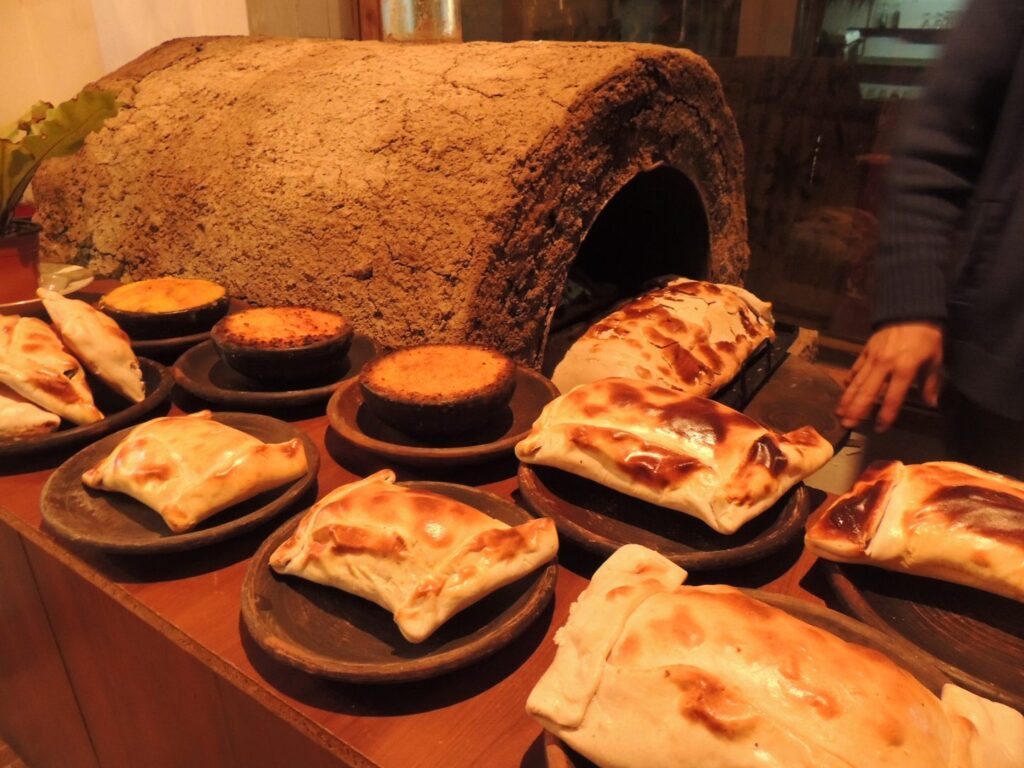
The national snack and a symbol of Chile. The baked pastry is filled with pino, a mixture of beef and onion seasoned with cumin and paprika, plus a black olive, a slice of hard-boiled egg and a few raisins. Fried cheese empanadas and seafood empanadas are just as popular on the coast. During the Fiestas Patrias, on 18 and 19 September, they are everywhere.
3. Cazuela
A nourishing clear soup in which each bowl holds a large piece of beef, chicken or turkey, a potato, a slice of pumpkin, a piece of corn on the cob and green beans, often with rice or noodles. Every region and every family has its own version.
4. Humitas
Grated fresh corn with onion and basil, wrapped in the corn husk and steamed. Some are savoury and some slightly sweet, and they are usually eaten with ensalada chilena (tomato and onion). The dish has pre-Hispanic roots and is a summer classic.
5. Curanto
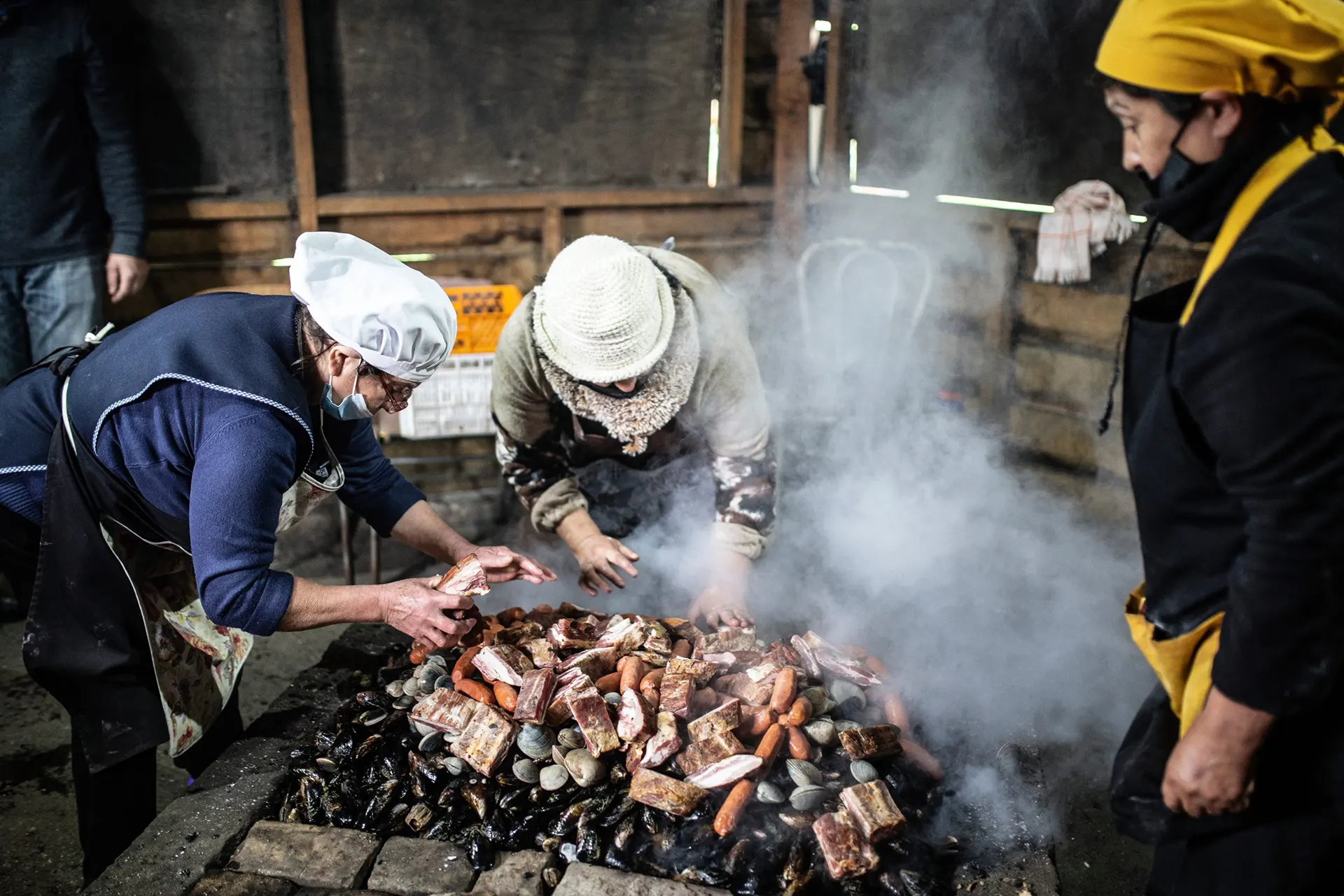
The great feast of the Chiloé Archipelago. Shellfish, smoked pork, chicken, sausages, potatoes and potato dumplings (milcao and chapaleles) are layered over red-hot stones in a pit, covered with large nalca leaves and left to steam for hours. A version cooked in a pot, curanto en olla, is served in restaurants in Chiloé and Puerto Montt.
6. Machas a la parmesana
Razor clams baked in their shells with Parmesan cheese, butter and a splash of white wine. Simple and very Chilean, it is a favourite starter on the coast; order it in the seaside towns of our guide to the best beaches in Chile.
7. Caldillo de congrio
Conger eel soup with tomato, onion, potato and herbs. The poet Pablo Neruda wrote an ode to it, and it is still a classic in seafood restaurants and in Santiago’s Central Market.
8. Paila marina
A hot seafood soup served in a clay bowl (the paila): mussels, clams, fish and other shellfish in a broth with white wine. It is said to be the best cure after a long night.
9. Porotos granados
A summer stew of fresh cranberry beans, corn and pumpkin, flavoured with basil and often served with pebre. It is naturally vegetarian and one of the oldest dishes of central Chile.
10. Lomo a lo pobre
Not for small appetites: a steak topped with fried eggs and fried onions, served with a pile of chips. You will find it on the menu of almost every traditional restaurant.
11. Cordero al palo and centolla
In Patagonia the signature dish is lamb, opened out on a metal stake and roasted slowly beside an open fire. The southern seas add centolla, the king crab of the Strait of Magellan, served simply with mayonnaise or baked as chupe de centolla.
12. Completo, chacarero and chorrillana
Chile’s favourite fast food. The completo is a hot dog loaded with toppings; the “italiano” has tomato, avocado and mayonnaise, the colours of the Italian flag. The chacarero is a hot sandwich of thin beef with green beans, tomato and chilli. The chorrillana, born in Valparaíso, is a sharing plate of chips topped with strips of beef, onion and fried eggs.
13. Barros Luco and Barros Jarpa
Chileans take their sandwiches seriously, and the two classics are named after politicians. The Barros Luco is thin, hot beef with melted cheese in a roll, named after President Ramón Barros Luco, who is said to have ordered it at the restaurant of the National Congress; Santiago’s Confitería Torres also claims it. The Barros Jarpa, named after the politician Ernesto Barros Jarpa, a relative of the president, swaps the beef for ham. Order either in a marraqueta, the crusty Chilean roll.
14. Charquicán
A thick stew of mashed potato and pumpkin with minced beef, onion, corn and peas, usually topped with a fried egg. The name comes from charqui, the sun-dried meat the dish was made with before fresh beef was common. It is everyday home cooking, at its best on a winter lunchtime.
15. Sopaipillas
Round discs of fried dough made with pumpkin. They are eaten savoury with pebre as a street snack, or “pasadas” (soaked) in a warm syrup of chancaca (unrefined cane sugar) on cold, rainy days.
Condiments: pebre, merkén and chancho en piedra
- Pebre: chopped tomato, onion, coriander, garlic, chilli and oil, served with bread before almost every meal.
- Chancho en piedra: a similar salsa, but ground in a stone mortar.
- Merkén: the smoked chilli seasoning of the Mapuche, now used by chefs all over Chile.
- Ají: chilli sauces are on the table, but Chilean food itself is mild. If you like heat, ask for “ají” or “pebre”.
Chilean desserts and sweets
Mote con huesillo
The summer drink and dessert at the same time: dried peaches (huesillos) cooked in a sweet syrup with cinnamon, served cold over husked wheat (mote). Street stalls sell it all over Santiago from November to March.
Leche asada
A baked milk custard with caramel, firmer than flan, found in homes and in set lunch menus.
Kuchen
A legacy of the German settlers of the Lake District in the 19th century: fruit cakes with raspberries, plums, apples or murta, a native berry. Puerto Varas and Frutillar, on Lake Llanquihue, are the places to try them with afternoon tea.
Alfajores, calzones rotos and manjar
Manjar, Chile’s version of dulce de leche, fills alfajores (two soft biscuits) and many cakes. Calzones rotos, “torn underpants”, are twists of fried dough dusted with sugar, a classic with tea.
Chilean drinks: wine, pisco and more
Chilean wine
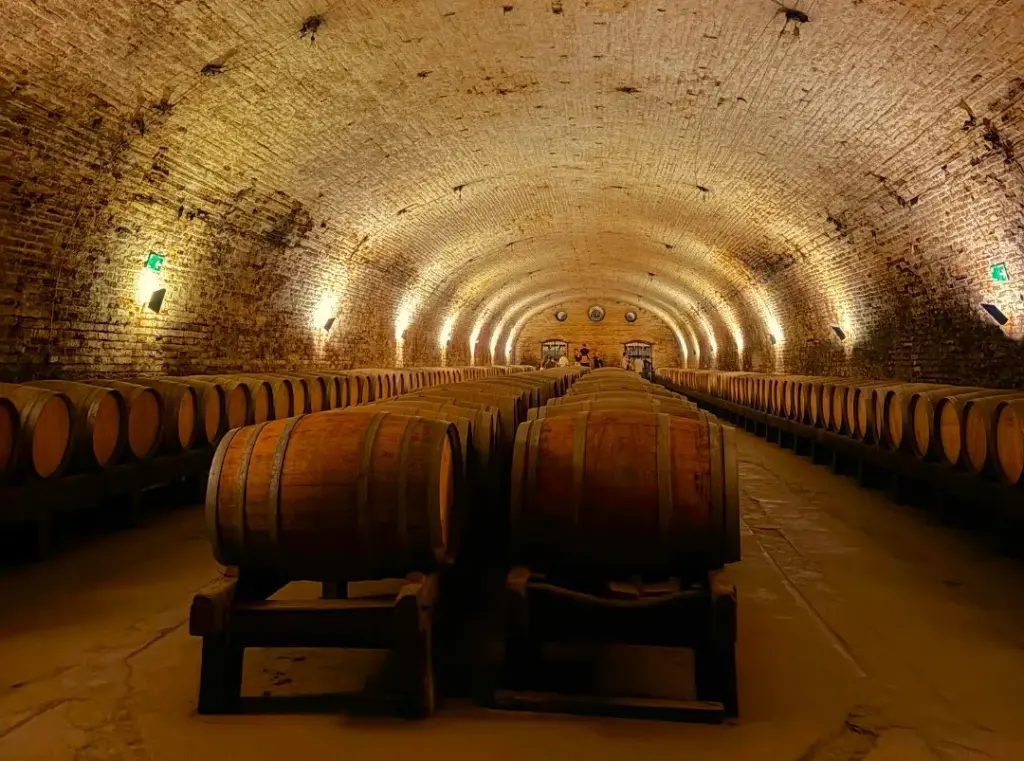
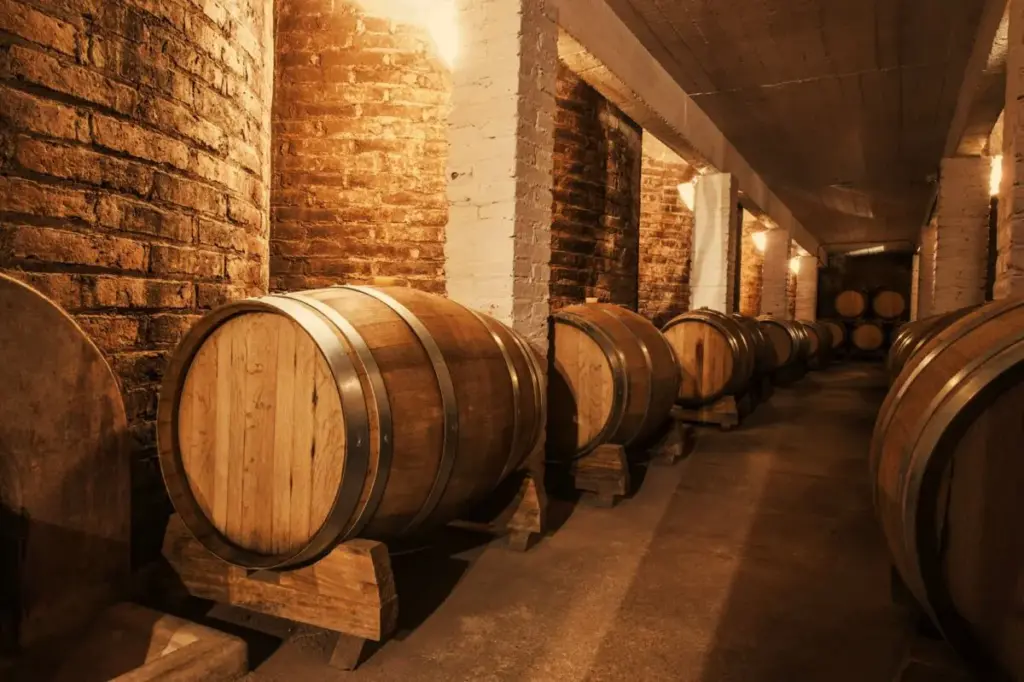
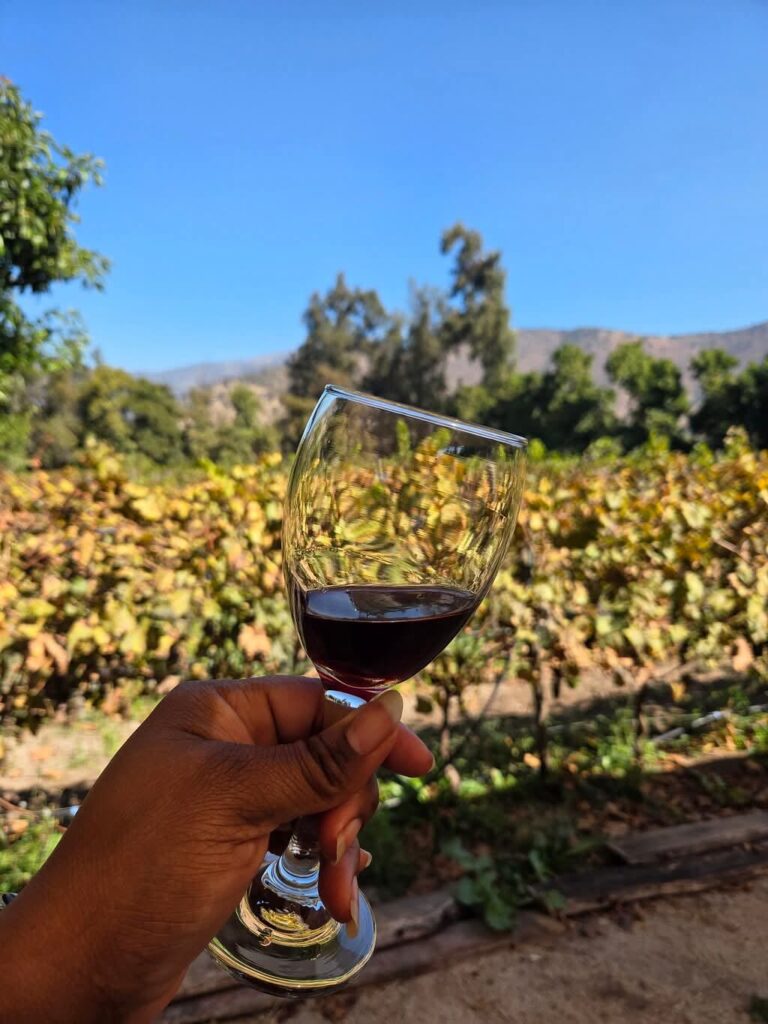
Chile is one of the great wine countries of the New World. The main valleys lie within a few hours of Santiago: Maipo, known for Cabernet Sauvignon, Casablanca, on the way to Valparaíso, for cool-climate Sauvignon Blanc, Chardonnay and Pinot Noir, and Colchagua for full-bodied reds. Chile’s signature grape is Carménère: it almost disappeared in Europe in the 19th century and was rediscovered in Chilean vineyards in 1994, where it had been mistaken for Merlot.
Pisco and pisco sour
Pisco is a grape brandy made in the north, especially in the Elqui Valley. Both Chile and Peru claim it as their own. The Chilean pisco sour is pisco, lemon juice and sugar, usually without the bitters of the Peruvian version and often without egg white. The everyday drink is the piscola, pisco with cola.
Other traditional drinks
- Terremoto: pipeño (young, rustic wine) with pineapple ice cream and grenadine, the drink of the September holidays.
- Chicha: a lightly fermented apple or grape drink, also tied to the Fiestas Patrias.
- Cola de mono: the Christmas drink, with aguardiente, milk, coffee and cinnamon.
- Beer: German immigrants brought brewing to the south, and Valdivia is still known for it.
How Chilean food is cooked
Chilean cooking is slow and simple: few spices, long cooking and a lot of clay and fire. These are the methods behind the classic dishes:
| Method | How it works | Dishes |
|---|---|---|
| Baked in clay | Baked in a clay dish, traditionally in a wood-fired clay oven | Pastel de choclo, empanadas de pino |
| Slow-simmered | Soups and stews cooked for hours in one pot | Cazuela, charquicán, porotos granados, caldillo de congrio |
| Cooked in the earth | A pit of red-hot stones, covered with large nalca leaves and earth | Curanto en hoyo in Chiloé |
| Over the fire | Grilled or roasted over wood or charcoal | Asado, cordero al palo in Patagonia |
| Steamed in the husk | Ground corn wrapped in corn husks and boiled | Humitas |
| Fried | Deep-fried dough and pastry | Sopaipillas, cheese empanadas |
| Raw or gratinated seafood | Fish cured in lemon juice, or shellfish baked briefly with cheese | Ceviche, machas a la parmesana |
| Dried | Meat or seaweed dried in the sun and wind | Charqui, the dried meat behind charquicán; cochayuyo seaweed |
Regional flavours, from north to south
The north and the Atacama Desert
In Arica, Iquique and the Atacama, the cooking is closer to the Andes: quinoa, potatoes and llama meat in San Pedro de Atacama, olives from the Azapa Valley, and fish and seafood along the coast. Iquique is known for chumbeque, a layered sweet with honey and fruit.
Central Chile: Santiago, Valparaíso and the valleys
The heart of Chilean home cooking: pastel de choclo, porotos granados, charquicán (a stew of mashed pumpkin and potato with minced meat), ensalada chilena with grilled meat, and the wine of the Maipo and Casablanca valleys. Valparaíso adds chorrillana and seafood fresh from the port.
The south, Chiloé and Patagonia
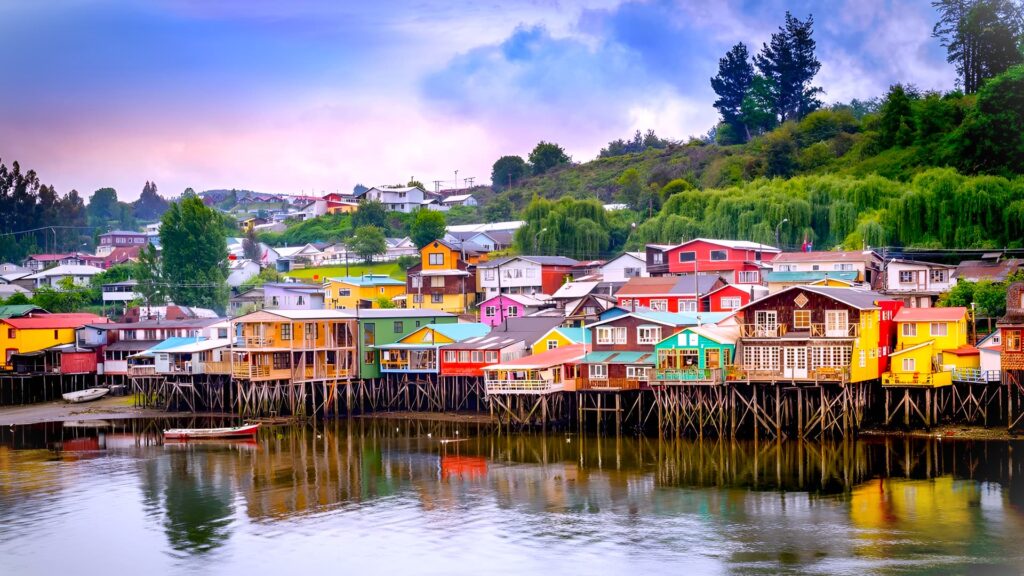
Cold weather and German settlement shaped the food of the south: smoked meats, potatoes, kuchen and beer. Chiloé has its own cuisine of curanto, milcao and native potatoes, and Patagonia is the land of cordero al palo and king crab.
Immigrant influences on Chilean food
- German: kuchen, strudel, smoked sausages and beer in the Lake District, around Puerto Varas, Frutillar, Osorno and Valdivia.
- Arab: Chile has one of the largest Palestinian communities outside the Middle East, and Santiago’s Patronato district is full of Arab bakeries and empanadas árabes.
- Italian: pasta and pizza in every city, and the “italiano” completo.
- Croatian: Croatian immigrants settled in Punta Arenas and left their mark on the cooking of the far south.
How Chileans eat
- Breakfast (desayuno): light, with bread, avocado or ham and cheese, and tea or coffee.
- Lunch (almuerzo): the main meal, from about 1 to 3 pm. Many restaurants offer a “menú del día” with soup or salad, a main course and dessert.
- Once: a Chilean tradition, an early-evening tea with bread, avocado, cheese, ham and cakes. In many homes it replaces dinner.
- Bread with everything: Chileans eat about 90 kg of bread per person a year, according to the bakers’ federation Fechipan, one of the highest figures in the world. The favourite is the marraqueta, a crusty roll that breaks into four, followed by the round, flat hallulla.
- Dinner (cena): late, from about 8:30 or 9 pm, and lighter than lunch.
- Celebrations: on the Fiestas Patrias, 18 and 19 September, the whole country goes to the fondas for empanadas, grilled meat, chicha and terremotos.
Where to try Chilean food on our journeys
- Santiago’s Central Market: the Native Santiago city tour ends at the market, where you taste empanadas and Chilean wine. It is part of Argentina & Chile Southern Soul (16 days), Peru, Bolivia & Chile Expedition (21 days), Peru, Chile & Argentina Journey (21 days), Icons of the South (26 days) and Must-See Gems (30 days).
- Cousiño Macul winery: the same five journeys include a half-day at this historic family winery in Santiago, with a walk through the vineyards and cellars and a tasting of its wines.
- The Casablanca Valley: on the way to Valparaíso and Viña del Mar, Chile Highlights (13 days) crosses the wine valley, where a tasting can be arranged.
- Chiloé: Chile Highlights spends a full day on the island, ending at the palafitos market of Dalcahue.
- Patagonia: the boat trip to the Balmaceda and Serrano glaciers, on Chile Highlights and Southern Soul, ends with lunch at Estancia Perales.
Vegetarian food and dietary needs in Chile
Chilean cooking uses a lot of meat and seafood, but there are good vegetarian dishes: porotos granados, humitas, ensalada chilena, sopaipillas with pebre, cheese empanadas and vegetable versions of pastel de choclo. Santiago and Valparaíso have many vegetarian and vegan restaurants. Tell us about allergies or dietary needs before the trip, so that hotels and restaurants can prepare.
Frequently asked questions
What is the national dish of Chile?
Chile has no single official dish, but the empanada de pino is the most common answer, followed by pastel de choclo and cazuela. All three are served all over the country and are part of every national celebration.
Is Chilean food spicy?
No. Chilean food is mild, and the heat comes from the table: pebre, merkén and ají sauces that you add yourself.
What is “once” in Chile?
An early-evening tea, usually between 6 and 8 pm, with bread, avocado, cheese, ham, jam and cakes. In many homes it replaces dinner.
What is the most famous Chilean drink?
Wine, with Carménère as the signature grape, and pisco, drunk as a pisco sour or a piscola. In summer, the non-alcoholic mote con huesillo is everywhere.
Is pisco Chilean or Peruvian?
Both countries make it and both claim it. Chilean pisco comes mainly from the Elqui and Limarí valleys in the north, and the Chilean pisco sour is usually made without bitters and often without egg white.
What seafood should I try in Chile?
Machas a la parmesana, caldillo de congrio, paila marina and fresh corvina or reineta on the coast; curanto in Chiloé; and king crab (centolla) in Patagonia.
What is the most eaten food in Chile?
Bread. Chileans eat about 90 kg per person a year, mostly marraqueta and hallulla, at breakfast and at once. Among cooked dishes, the everyday favourites are cazuela, porotos granados and charquicán at lunch, and empanadas, especially on Sundays and holidays.
What are the main ingredients in Chilean food?
Corn, potatoes, pumpkin and beans from the central valleys; beef, chicken and lamb; and fish and shellfish from the whole coast. The usual seasonings are onion, garlic, cumin, oregano, paprika, coriander and basil, with merkén and pebre for those who want more heat.
Plan a trip to Chile with its food
Chile’s food is best discovered on the road, from the seafood of the coast to the wine valleys around Santiago and the lamb of Patagonia. Our local travel experts can build it into a journey through Chile, or combine Chile with Peru, Bolivia and Argentina. Tell us your dates and what you enjoy, and we will send you a free, tailor-made proposal.
Ready to Experience This Firsthand?
Our travel consultants design your itinerary around your dates, pace and hotel style.

Wilfredo Zúñiga Huamanguillas
Anthropologist & Hospitality Professional | South America Travel ExpertAnthropologist, hospitality professional and South America travel expert with 11 years of experience in tourism, trained at the Universidad Nacional de San Antonio Abad del Cusco. Wilfredo writes about the people, traditions and landscapes of the continent, from the Andes and Machu Picchu to Patagonia, Brazil and the Amazon.
More about Wilfredo →