South America packs more variety into one continent than anywhere else on Earth: the driest non-polar desert and the largest rainforest, the biggest salt flat and some of the largest ice fields outside the poles, Inca citadels, colonial cities and world-class food. This guide gives you seven good reasons to go, and then the practical side: how long you need, which route to choose for a first trip and when to travel.
7 reasons to travel to South America
1. Every kind of landscape on one continent
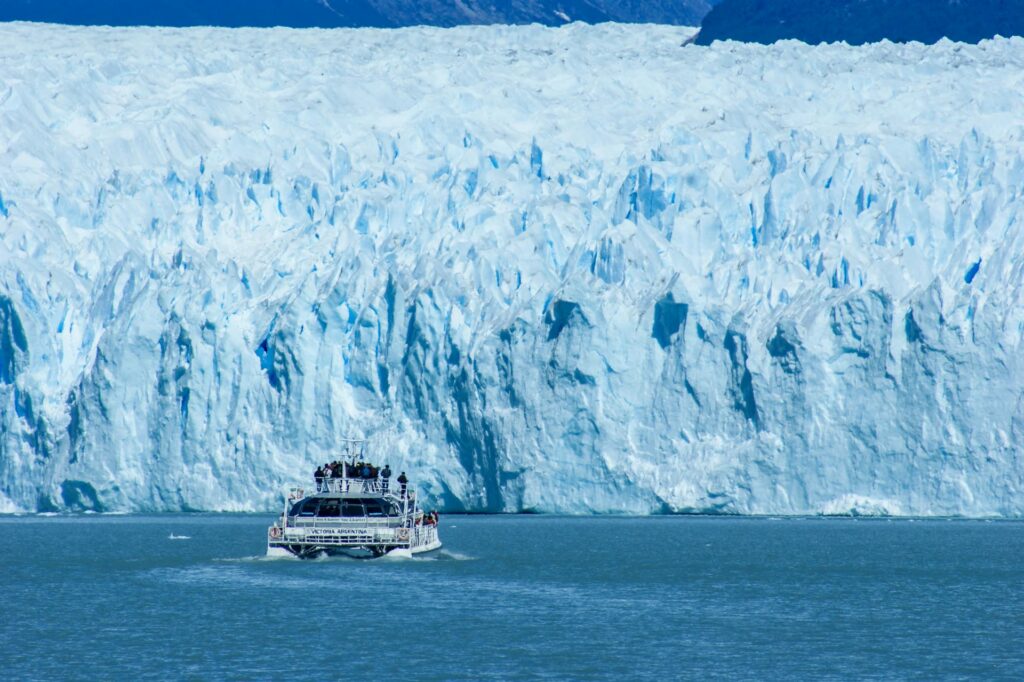
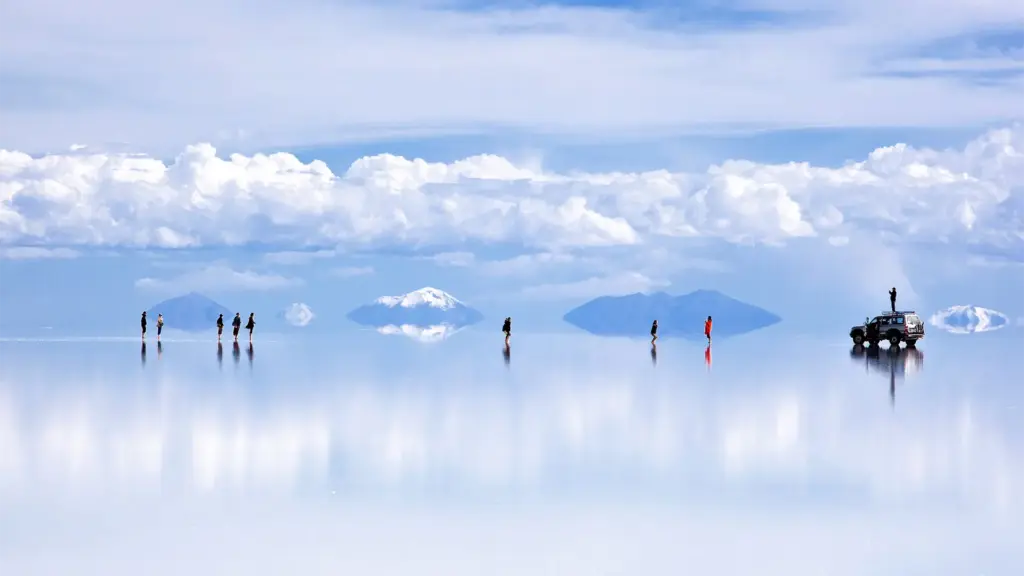
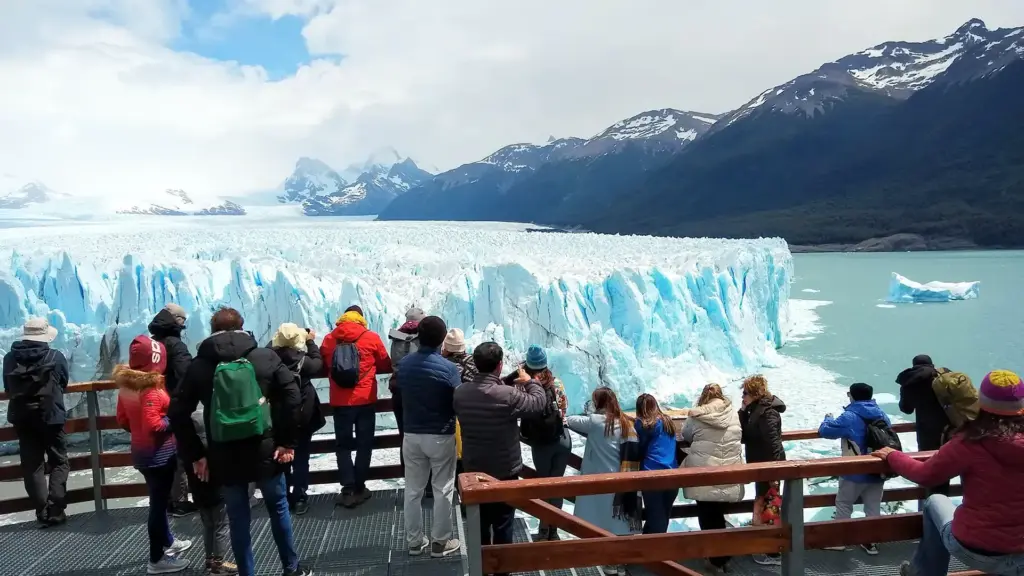
In a single trip you can stand on the white salt of Uyuni, watch geysers steam at dawn in the Atacama, sail among glaciers in Patagonia and walk in the Amazon. The distances are large, but the landscapes change fast: on three of our journeys, the road from Uyuni to San Pedro de Atacama crosses coloured lagoons and volcanoes in three days. See the 25 best places to visit in South America.
2. Ancient history you can walk through
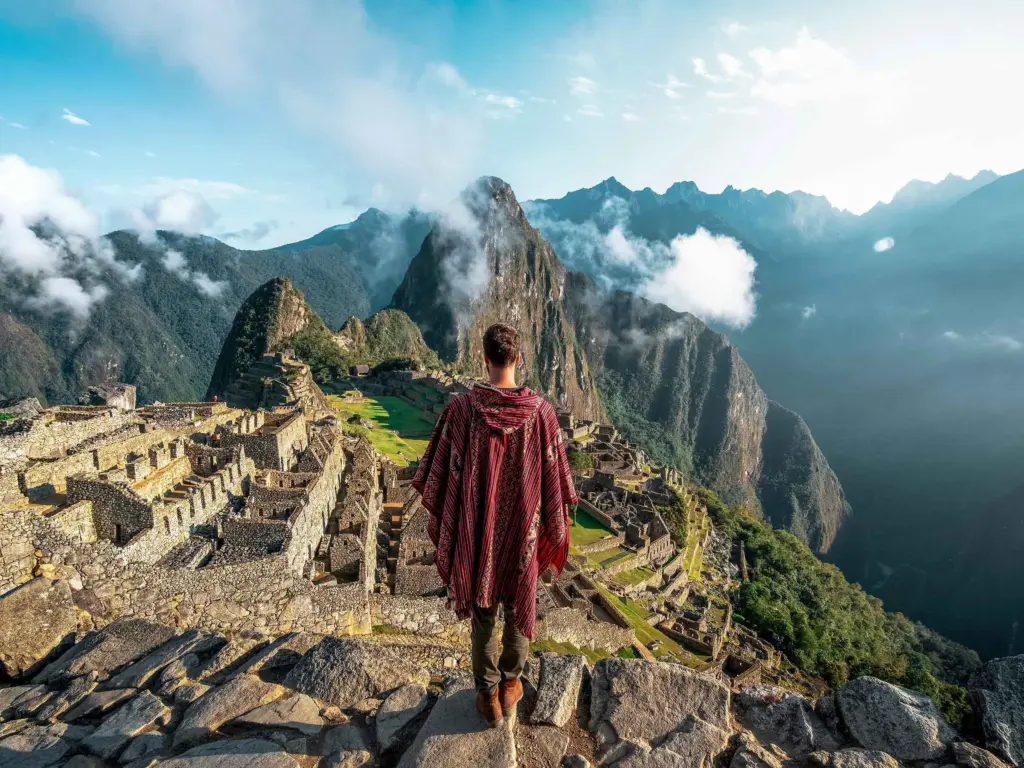
Machu Picchu and Cusco are the best-known Inca sites, but the history goes much deeper: Tiwanaku, near Lake Titicaca, was the centre of a civilisation that flourished centuries before the Incas, and the moai of Easter Island were carved by its Polynesian people. Add the colonial centres of Quito, Lima and Cusco, all UNESCO World Heritage Sites.
3. Wildlife you will not see anywhere else
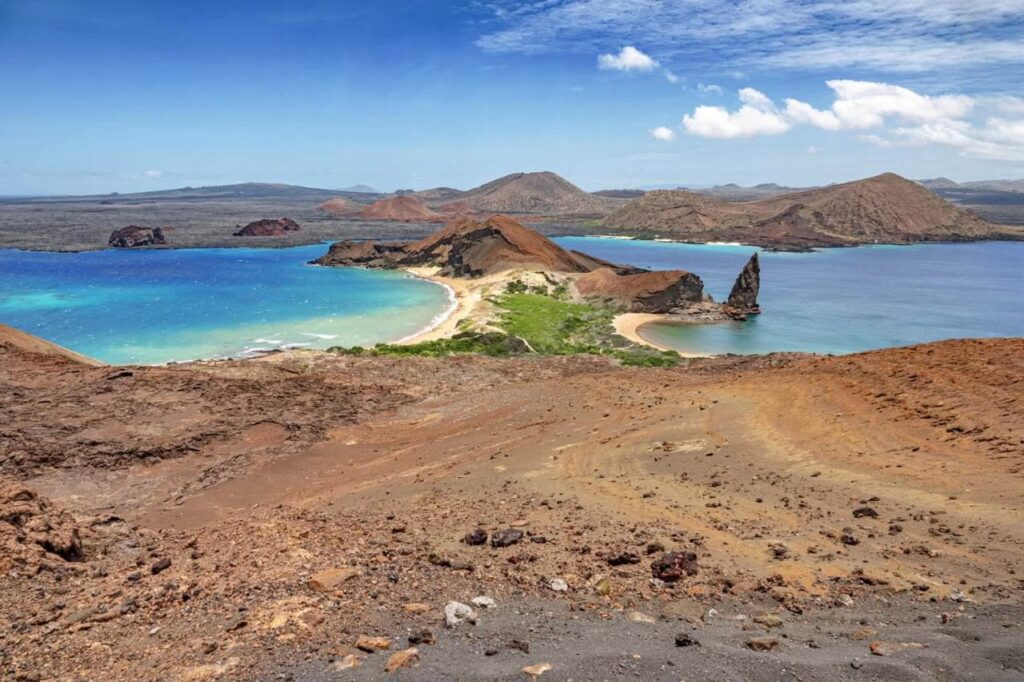
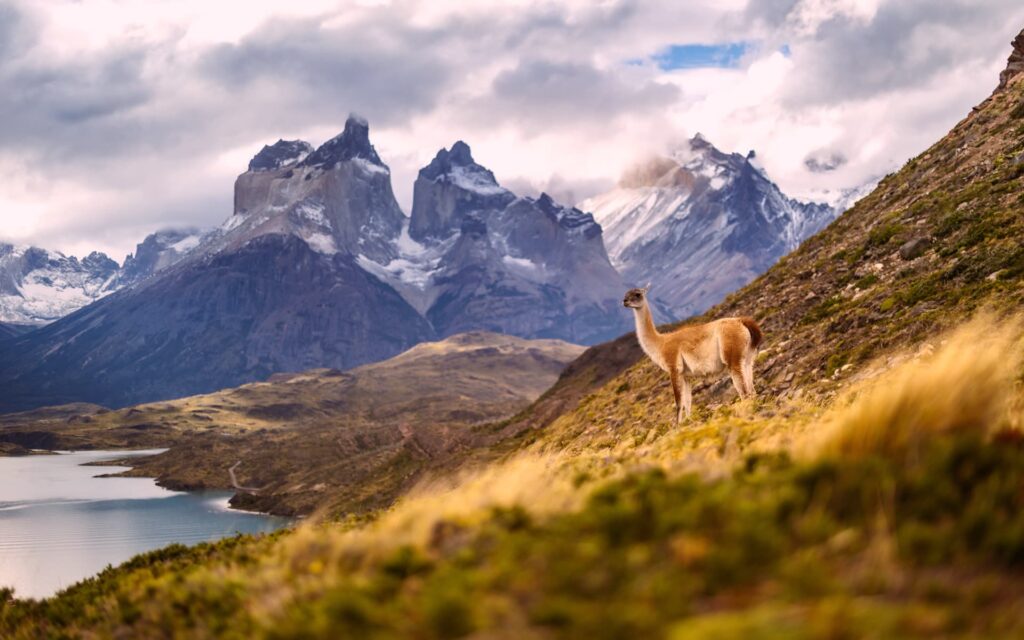
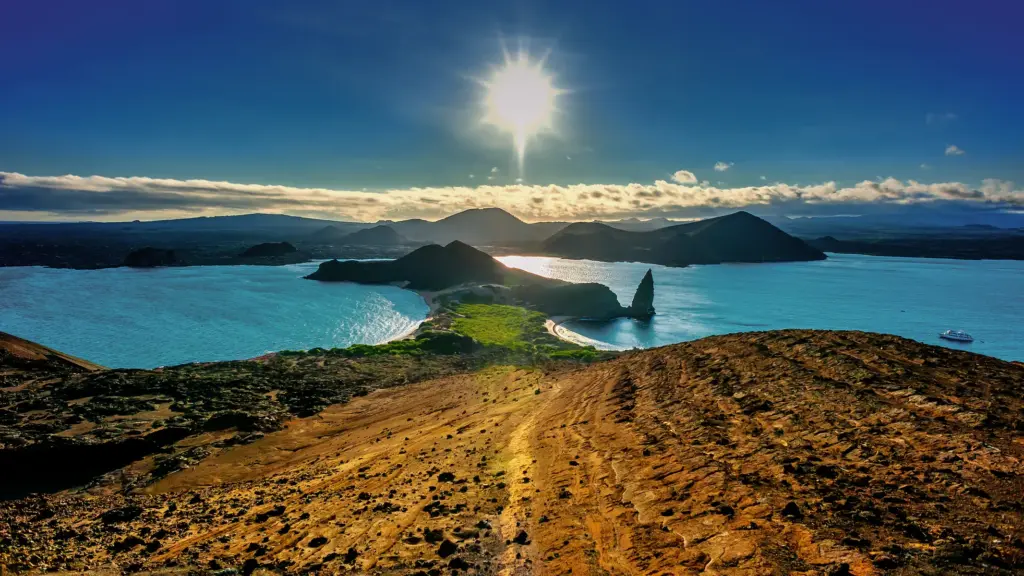
Giant tortoises and fearless sea lions in the Galápagos, macaws and river dolphins in the Amazon, flamingos on the high lagoons of Bolivia and Chile, guanacos and condors in Patagonia, and jaguars in the Pantanal of Brazil. Much of it can be seen up close, with local guides who know where to look. See our guide to South America wildlife tours.
4. Food and wine
Lima is one of the great food cities of the world, from ceviche bars to restaurants that top international rankings. Mendoza makes most of Argentina’s Malbec, Chile’s Casablanca and Maipo valleys are an easy day from Santiago or the coast, and the asado of Argentina and the churrascarias of Brazil are reasons to travel on their own. Our guide to Chilean cuisine lists the dishes to try in Chile.
5. Several countries in one trip
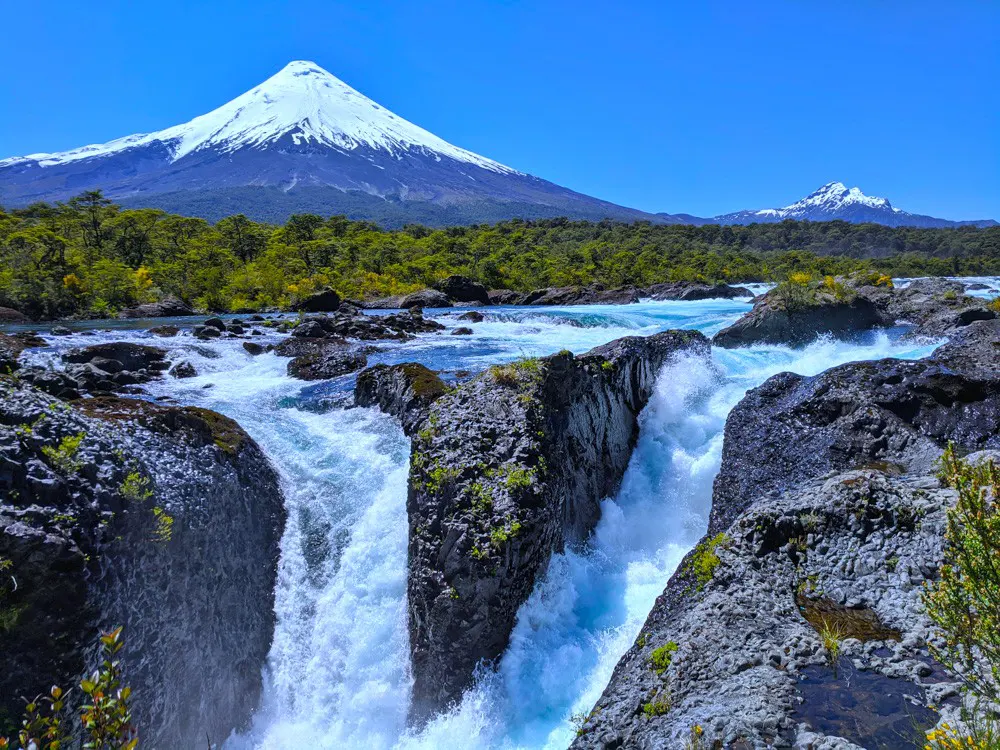
Borders are easy to cross, and some of the best travel days are the crossings themselves. On our journeys you take the Titicaca train from Cusco to Puno and the road from Puno to La Paz past Tiwanaku, cross the Andes by boat and road on the Andean Lakes Crossing between Puerto Varas and Bariloche, and see Iguazú Falls from both Argentina and Brazil.
6. Seasons opposite to the north
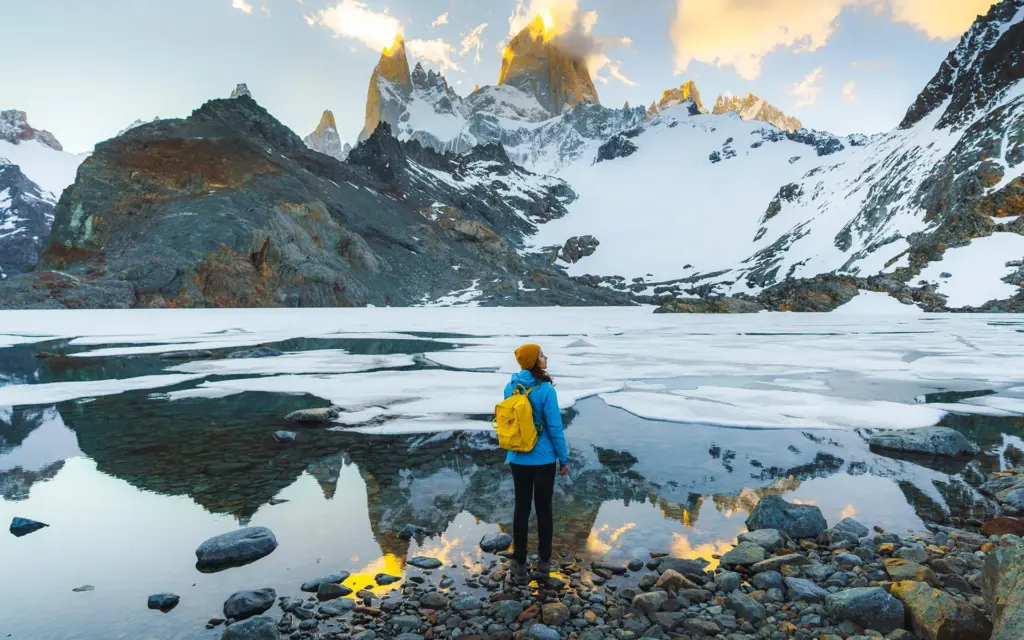
The southern summer, from December to March, is the season for Patagonia, the Lake District and the beaches of Brazil, just when Europe and North America are in winter. The Andes of Peru and Bolivia are driest from May to October, during the northern summer holidays, so there is a good destination every month: see the best places to visit by month and our guide to the best time to visit South America.
7. Little jet lag from North America
Peru and Ecuador are on UTC−5, the same as New York in winter, and Argentina and most of Brazil are on UTC−3. From the United States and Canada, the time difference is between none and a few hours, so you can enjoy the first day instead of recovering. From the UK, South America is 3 to 6 hours behind, depending on the country and the season.
How to plan your first trip to South America
- How long: two weeks for two countries, three weeks for three or four, and four weeks or more for a grand tour from the Andes to Patagonia or Rio.
- Which route: choose neighbouring regions rather than trying to see everything. The table below shows good first routes from our own journeys.
- Altitude: Cusco, Lake Titicaca, La Paz and Uyuni are all high. Our journeys start lower and climb step by step; see our altitude planner.
- Entry rules: visas, fees and the yellow fever certificate depend on your passport and your route; see our South America entry requirements table.
| First trip | What you see | Our journey |
|---|---|---|
| Peru and Bolivia | Lima, the Sacred Valley, Machu Picchu, Cusco, Lake Titicaca, La Paz and Uyuni | Peru & Bolivia Highlights (14 days) |
| The Galápagos and Machu Picchu | Quito, the Galápagos Islands, the Sacred Valley, Machu Picchu and Cusco | Ecuador & Peru Highlights (15 days) |
| Brazil and Argentina | Rio de Janeiro, Búzios, Iguazú Falls, the Perito Moreno Glacier and Buenos Aires | Brazil & Argentina Experience (14 days) |
| Patagonia | Ushuaia, El Chaltén, the Perito Moreno Glacier and Torres del Paine | Pure Patagonia (14 days) |
| Brazil, Argentina and Peru | Rio de Janeiro, Búzios, Iguazú Falls, the Perito Moreno Glacier, Buenos Aires, the Sacred Valley, Machu Picchu and Cusco | Brazil, Argentina & Peru Landmarks (22 days) |
| Peru, Chile and Argentina | Machu Picchu and Cusco, Valparaíso, the Lake District and Buenos Aires | Peru, Chile & Argentina Journey (21 days) |
Every journey can be adjusted to your dates and pace. When you are ready, tell our travel experts what you would like to see, or browse all our South America tours.
Before you book, read our South America travel tips: visas, money, plugs and tipping in each country, altitude, vaccinations, safety and what to pack.
Frequently asked questions
Why should I travel to South America?
For the variety: deserts, glaciers, rainforest and salt flats on one continent, Inca and pre-Inca history, wildlife like the Galápagos, great food and wine, and seasons opposite to the north, with little jet lag from North America.
Which country should I visit first in South America?
Peru is the most complete first trip: Machu Picchu, Cusco, Lake Titicaca, the Amazon and world-class food, and it combines easily with Bolivia or Ecuador and the Galápagos.
How many days do I need for South America?
At least two weeks for two countries. Three weeks lets you combine the Andes with Patagonia or with Iguazú and Rio, and four weeks or more covers a grand tour.
When is the best time to travel to South America?
October, November, March and April, when the Andes, Patagonia, Iguazú and Rio are all in good condition. For the Andes alone, May to October; for Patagonia, November to March.
Is South America safe to travel?
Most visitors travel without problems, especially on a planned route with transfers and local guides. Take the usual precautions in big cities; read our guide Is South America safe?
Ready to Experience This Firsthand?
Our travel consultants design your itinerary around your dates, pace and hotel style.

Wilfredo Zúñiga Huamanguillas
Anthropologist & Hospitality Professional | South America Travel ExpertAnthropologist, hospitality professional and South America travel expert with 11 years of experience in tourism, trained at the Universidad Nacional de San Antonio Abad del Cusco. Wilfredo writes about the people, traditions and landscapes of the continent, from the Andes and Machu Picchu to Patagonia, Brazil and the Amazon.
More about Wilfredo →