South America is easier to travel than many first-time visitors expect, but it rewards a little preparation: the distances are long, the Andes are high, each country has its own currency and entry rules, and the best season changes from one region to the next. These are the practical travel tips our local experts give every traveller before a first trip, from visas and money to altitude, safety and what to pack.
The details below cover the six countries of our journeys: Peru, Bolivia, Ecuador, Chile, Argentina and Brazil.
South America travel at a glance
| What to know | |
|---|---|
| Languages | Spanish in every country of our journeys except Brazil, where people speak Portuguese. English is spoken in hotels and by your guides |
| Visas | Citizens of the United States, the United Kingdom, the European Union, Canada and Australia need no visa for most countries; Brazil asks Americans, Canadians and Australians for an e-visa |
| Seasons | Opposite to the north: December to February is summer in Patagonia, while the Andes are driest from May to October |
| Trip length | Two weeks for two or three countries; three to four weeks for a wider circuit |
| Getting around | Domestic and regional flights between regions, with scenic trains and overland crossings on some routes |
| Altitude | Cusco, Lake Titicaca, La Paz and Uyuni are all above 3,300 m, so routes are planned to climb gradually |
Planning your trip
1. Choose two or three countries, not six
South America is almost twice the size of the United States, and the main sights are far apart: from Machu Picchu to Patagonia is a journey across most of the continent. Two weeks are enough for two or three countries that sit next to each other, such as Peru and Bolivia, Argentina and Chile, or Ecuador with the Galápagos and Peru. See our South America itineraries for 10 days to 4 weeks and the 25 best places to visit.
2. Plan around the seasons of each region
The continent crosses the equator, so there is no single best month. The Andes of Peru, Bolivia and Ecuador are driest from May to October; Patagonia opens from October to April; the Galápagos can be visited all year; and the beaches of Brazil are at their best in the southern summer, from December to March. Our guide to the best time to visit South America compares every region month by month.
3. Book the limited places first
A few experiences have daily limits and sell out months ahead in the high season:
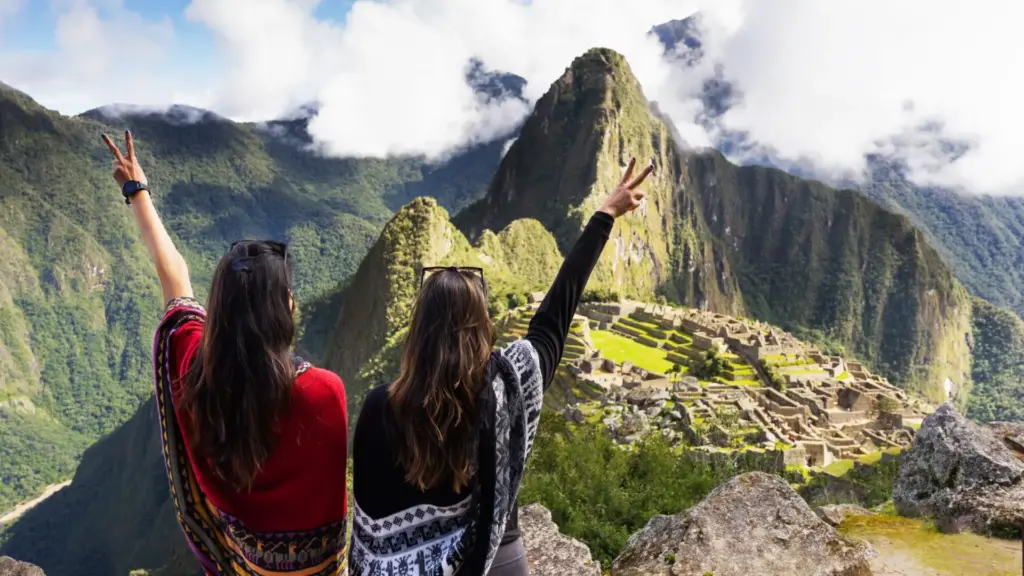
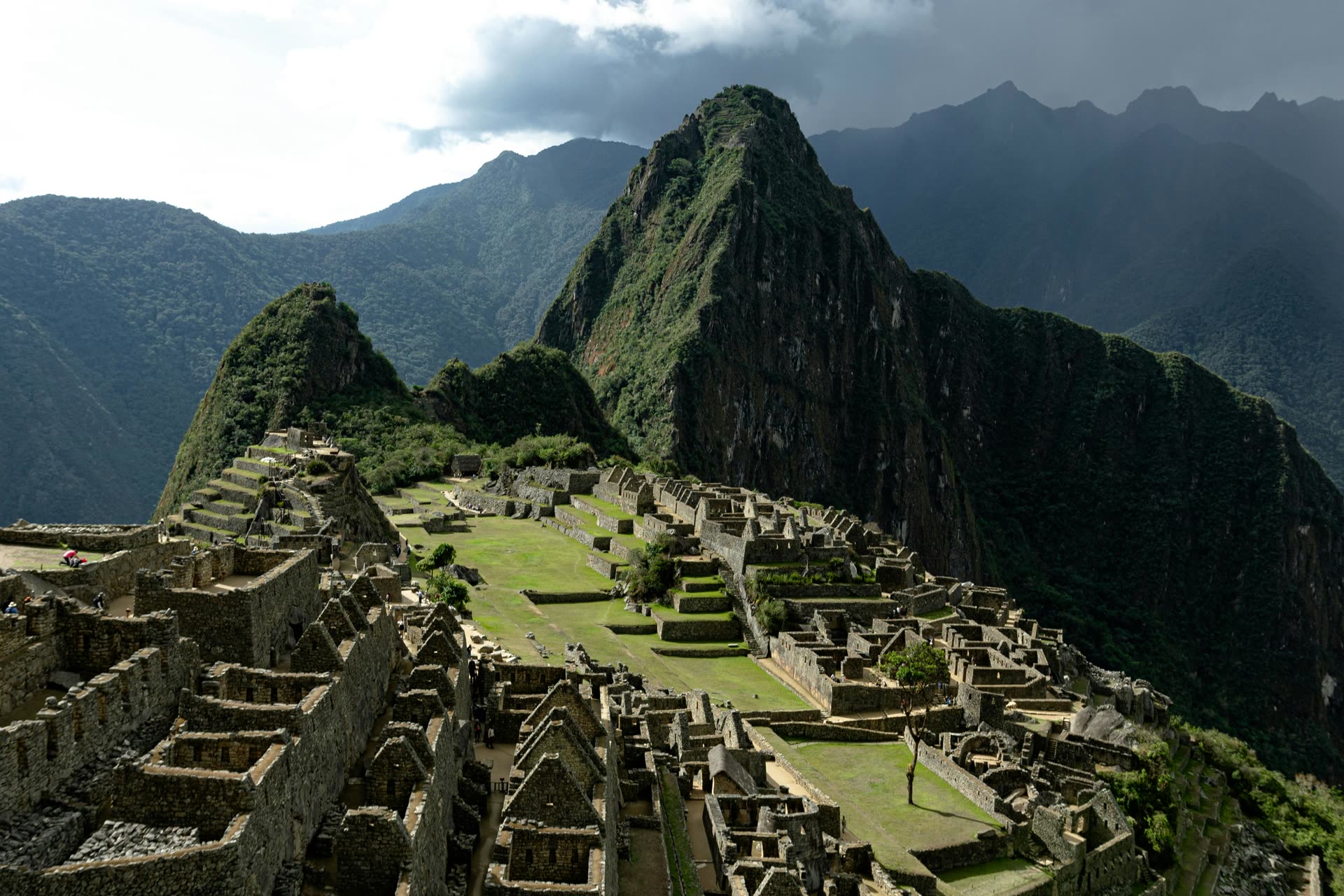
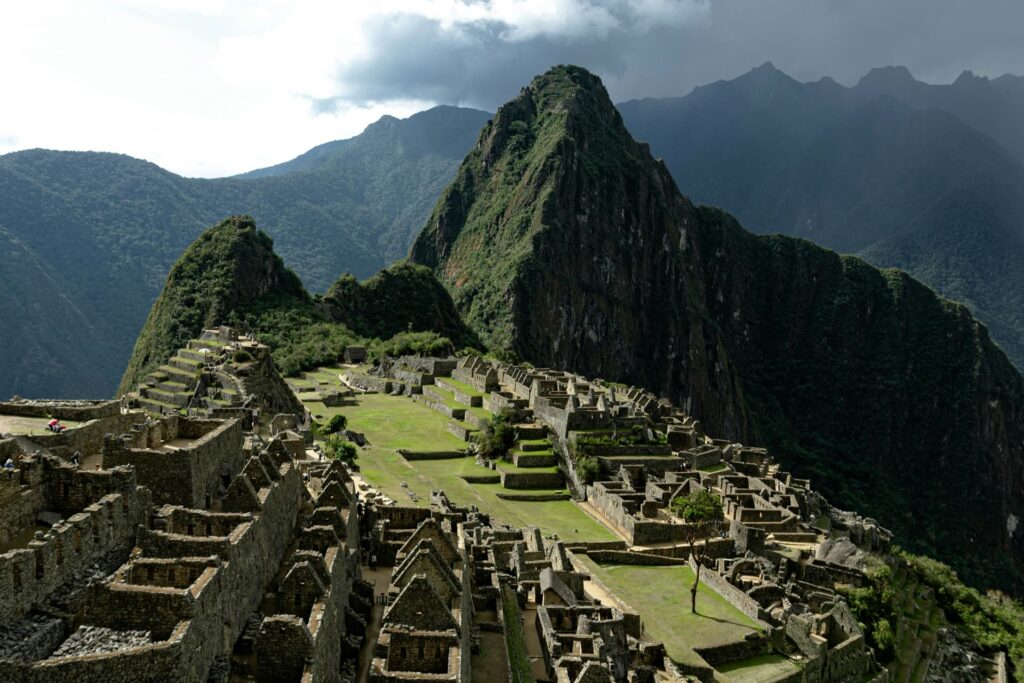
- Machu Picchu: entry is by timed ticket for one of three circuits, and the trains fill up in the dry season. Read the best time to visit Machu Picchu.
- The Inca Trail: permits are limited, sell out months ahead for the dry season, and the trail closes every February.
- Torres del Paine: park tickets are sold online only, and the lodges inside the park book up six to nine months ahead for December to February.
- The Galápagos: the boat excursions to other islands depend on park permits, so the islands are confirmed when you book.
4. Leave room for the distances
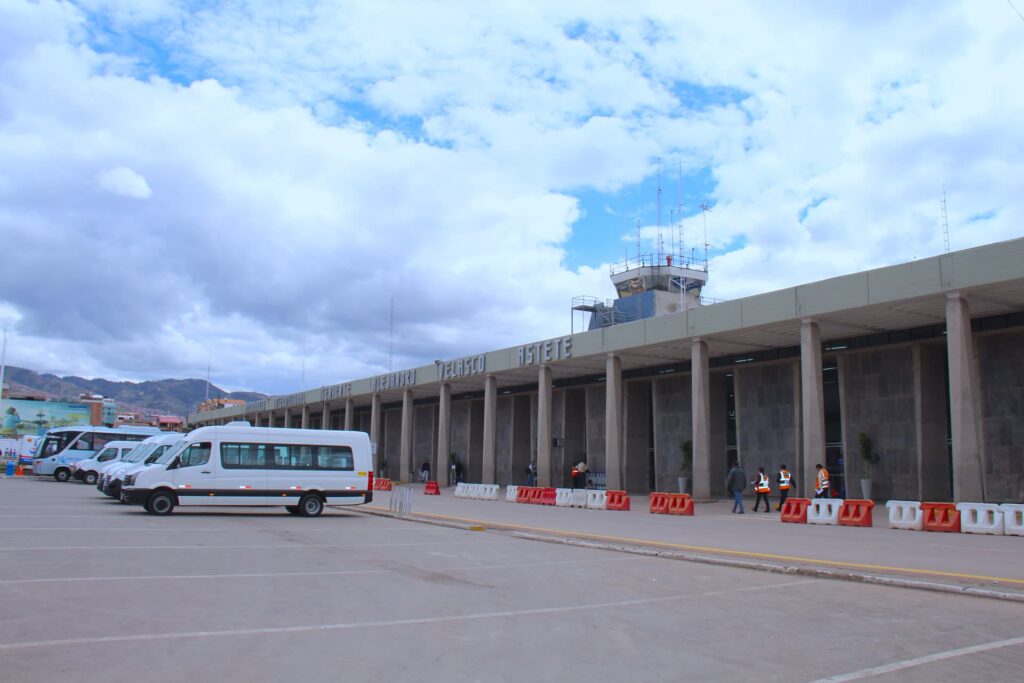
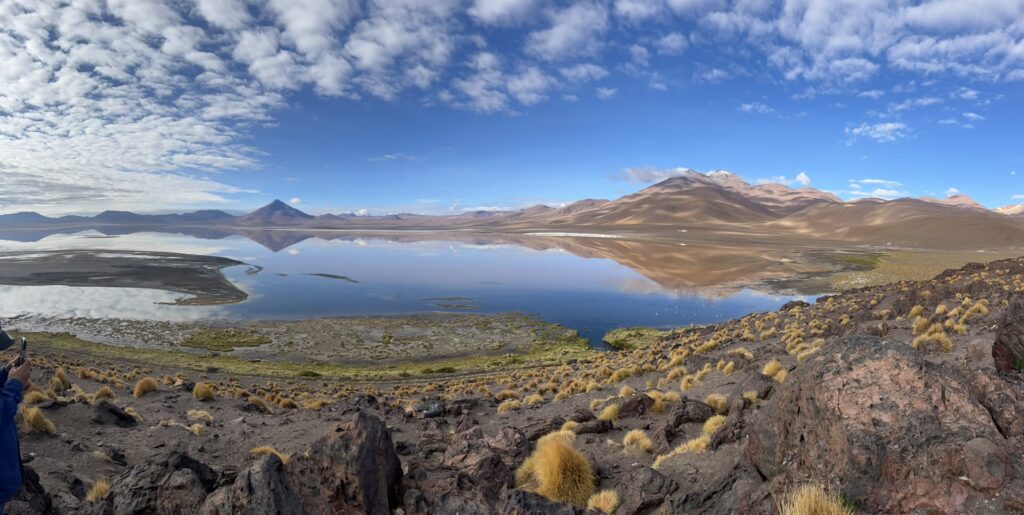
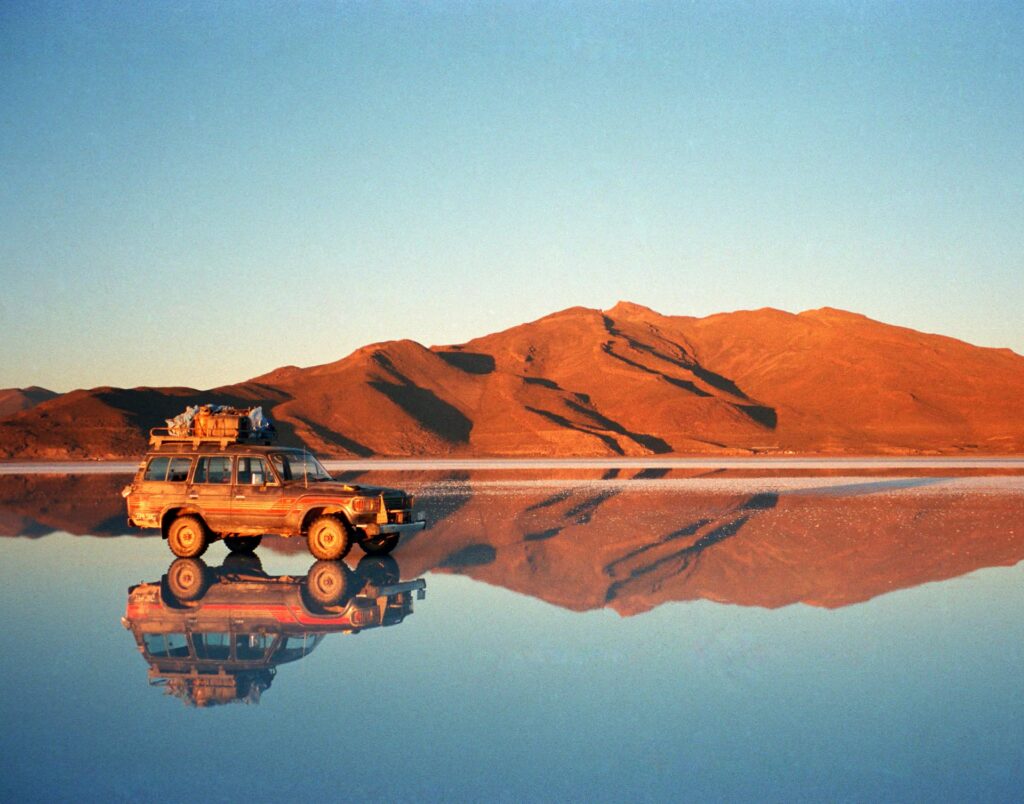
Most journeys combine short regional flights with transfers, and some of the best moments are overland: the PeruRail Titicaca train from Cusco to Puno, the road along Lake Titicaca into Bolivia, the 4×4 route from Uyuni to the Atacama Desert, and the Andean Lakes Crossing between Chile and Argentina. Flights between countries often connect through Lima, Santiago, São Paulo or Buenos Aires, so allow a full day for each change of country.
Country by country: visas, money, plugs and tips
These are the rules for citizens of the United States, the United Kingdom, the European Union, Canada and Australia. Check our South America entry requirements by passport for every detail and the official sources.
| Country | Entry | Currency | Plugs | Tipping |
|---|---|---|---|---|
| Peru | No visa; the officer sets your stay, usually up to 90 days | Sol; US dollars widely accepted in hotels | Type A and C, 220 V | About 10% in restaurants when no service charge is added |
| Bolivia | No visa, including for Americans since December 2025; Canadians pre-register online | Boliviano; bring US dollars in clean notes | Type A and C, 230 V | About 10% in restaurants, and a tip for your driver-guide in Uyuni |
| Ecuador | No visa, up to 90 days in any 12 months; Galápagos fees of US$200 plus US$20 | US dollar; bring small notes | Type A and B, 120 V | Restaurants often add a 10% service charge |
| Chile | No visa, up to 90 days | Chilean peso; cards widely accepted in cities | Type C and L, 220 V | A suggested 10% on the bill, which is voluntary |
| Argentina | No visa, up to 90 days; health insurance is required by law | Argentine peso; foreign cards accepted in cities | Type I and C, 220 V | About 10% in restaurants, usually in cash |
| Brazil | E-visa for Americans, Canadians and Australians; no visa for British and EU citizens | Brazilian real; cards widely accepted | Type N and C, 127 V or 220 V | Restaurants usually add a 10% service charge |
Money
5. Carry some US dollars in clean notes
Ecuador uses the US dollar, and dollars are useful everywhere else, above all in Bolivia and Peru. Bring notes in good condition: torn or marked notes are often refused. Change them at exchange offices or banks rather than in the street.
6. Use cards in the cities, cash in the countryside
Cards are accepted in hotels, restaurants and shops in the cities, and contactless payment is common in Chile, Argentina and Brazil. Markets, small villages and remote areas such as the Uyuni lagoons often take cash only, and cash machines can have low limits and high fees, so keep some local currency for small purchases and tips.
7. Keep your passport for hotel tax in Chile
Foreign tourists who pay their hotel in foreign currency, at a hotel registered for the exemption, do not pay Chile’s 19% VAT. Keep the entry record you receive on arrival, as the hotel will ask for it.
Health and altitude
8. Climb gradually
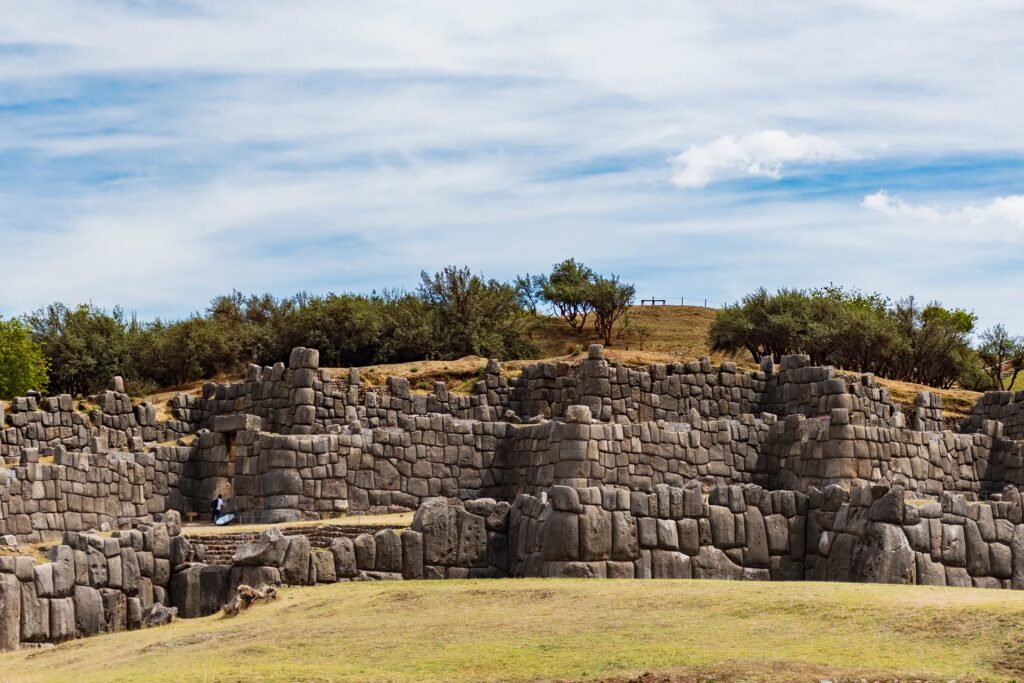
Altitude is the health question we are asked most often. Cusco is at about 3,400 m, Lake Titicaca at about 3,810 m, La Paz at about 3,650 m and the Uyuni Salt Flats at about 3,650 m, while Quito is at about 2,850 m. Our routes sleep lower first, in the Sacred Valley or in Quito, before the highest places, and the first day at altitude is always easy. Walk slowly, drink plenty of water and keep dinner light. Our altitude planner shows how high you sleep on every night of a route.
9. Check vaccinations early
No vaccination is required to enter the countries of our journeys from the United States, the United Kingdom or Europe, but yellow fever vaccination is recommended for the Amazon and some lowland areas, and Bolivia asks for a certificate for its lowlands east of the Andes. It is not needed for Lima, Cusco, Machu Picchu, La Paz, Uyuni, Quito, the Galápagos or Patagonia. See a travel clinic at least four to six weeks before you go, as some vaccines take time.
10. Travel with full medical insurance
Argentina now requires visitors to have health cover, and good insurance matters anywhere in remote areas such as Patagonia, Uyuni and the Galápagos. Choose a policy that covers medical evacuation and the activities you plan, such as hiking or snorkelling.
11. Respect the sun and the water
The sun is strong at altitude and near the equator even when the air is cold: wear a hat, sunglasses and high-factor sun cream. Drink bottled or filtered water in Peru and Bolivia, where tap water is not usually drunk.
Safety
12. Safety depends on the place more than the country
The places on our journeys, such as Cusco, the Sacred Valley, Patagonia, Uyuni and the Galápagos, are among the calmest in the region. In the big cities, the usual precautions apply: keep your phone and camera out of sight in crowds, take only what you need to the beach, and use the transfers of your trip or official taxis and ride-hailing apps rather than taxis hailed in the street. In Bolivia and Peru, protests and roadblocks can affect roads, and we adapt the route when they do. Read our country-by-country guide: Is South America safe?
Language and culture
13. Learn a few words of Spanish, and know that Brazil speaks Portuguese
English is spoken in hotels, by your guides and in the main tourist areas, but a few words of Spanish (or Portuguese in Brazil) go a long way in markets, taxis and small restaurants. A simple “buenos días” and “gracias” (or “bom dia” and “obrigado”) are always appreciated.
14. Eat at local hours
Lunch is the main meal in much of the Andes, and dinner is late in Argentina and Chile, where restaurants fill up after 9 pm. Many of the best set menus are served at lunchtime.
15. Ask before photographing people
In Andean villages and markets, ask before you take a portrait; some people will ask for a small tip in return. Haggling politely is normal in craft markets, but not in shops and restaurants.
Packing
16. Pack layers for several climates in one trip
A single journey can take you from the humid Amazon or the beaches of Rio to freezing nights on the altiplano and the wind of Patagonia. Pack light layers, a warm fleece or down jacket, a windproof and waterproof shell, comfortable walking shoes, a hat and gloves for the Andes, and insect repellent for the jungle and Iguazú. Our packing lists for Argentina and the Uyuni Salt Flats go into detail.
17. Bring adaptors and copies of your documents
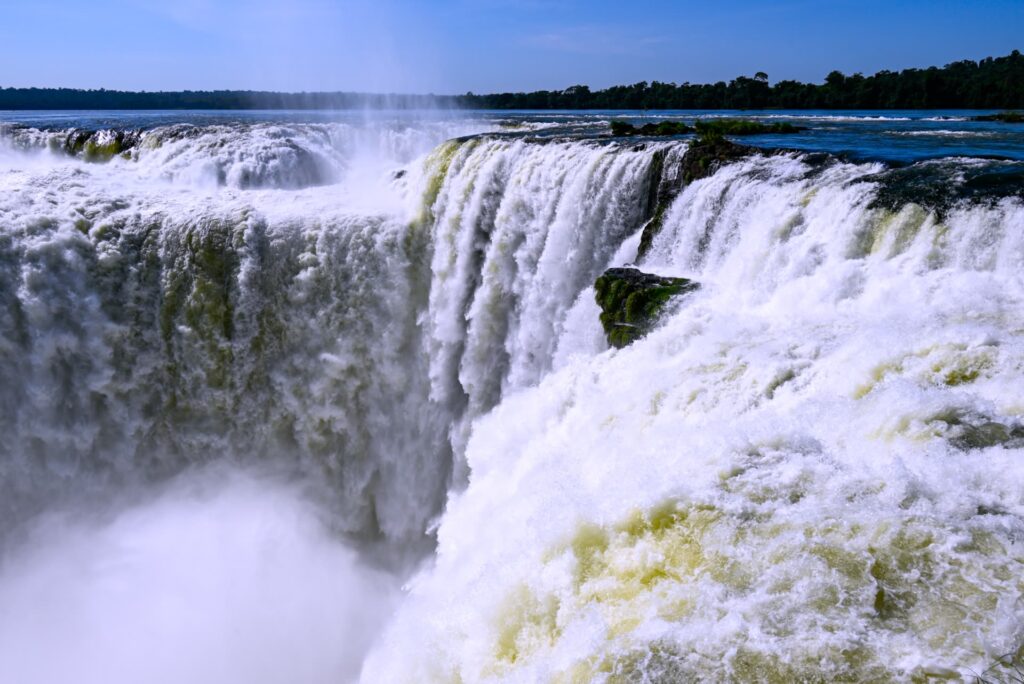
Plugs change from country to country (see the table above), so a universal adaptor is the simplest choice. Keep a digital copy of your passport, insurance and bookings, and carry your passport on border days, at Machu Picchu, where it is checked at the gate, and when crossing between the two sides of Iguazú Falls.
Budget
18. Know what drives the cost
The cost of a trip depends above all on the season, the length, the style of hotels and the domestic flights, which are usually quoted separately. Some park fees are paid on top, such as the Galápagos National Park fee of US$200 and the US$20 Transit Control Card. Bolivia and Peru are usually the least expensive countries on the ground, while Chile and Brazil tend to cost more; Patagonia’s lodges and the Galápagos are the costliest parts of most journeys. We send every quote with a full list of what is included.
Staying connected
19. Use an eSIM or a local SIM, and expect gaps
Hotels have Wi-Fi and mobile coverage is good in the cities, so an eSIM or a local SIM is useful for maps and messages. Expect little or no signal on the Uyuni salt flat and the lagoon route, on the trails of Patagonia and on some Galápagos boat trips.
20. Travel with someone who knows the ground
The simplest way to avoid surprises is to travel with local experts who coordinate the flights, trains, permits and transfers, adapt the route when the weather or a strike changes the plan, and are reachable at any hour while you travel. See our South America tours, or plan a tailor-made trip around your dates.
Frequently asked questions
What do I need to know before travelling to South America?
Check the entry rules for your passport, plan around the season of each region, book Machu Picchu, the Inca Trail or the Patagonia lodges early, prepare for altitude in the Andes, carry some US dollars in clean notes and travel with full medical insurance.
What is the cheapest country to visit in South America?
Bolivia is usually the least expensive country on the ground, followed by Peru and Ecuador. Chile and Brazil tend to cost more, and Patagonia and the Galápagos are the costliest regions of most trips.
Do I need vaccinations to travel to South America?
No vaccination is required to enter the countries of our journeys from North America or Europe. Yellow fever vaccination is recommended for the Amazon and some lowland areas, and Bolivia asks for a certificate for its eastern lowlands. Ask a travel clinic four to six weeks before you go.
Which South American countries are easiest to visit without speaking Spanish?
On an organised trip, all of them: hotels and guides speak English. Brazil speaks Portuguese rather than Spanish, and a few words of the local language are always welcome.
Do you tip in South America?
Yes. About 10% is customary in restaurants when no service charge is added; in Brazil and often in Ecuador it is already on the bill. Guides and drivers are tipped at the end of each service.
How many days do I need for South America?
Two weeks for two or three neighbouring countries, such as Peru and Bolivia; three to four weeks to combine the Andes with Patagonia, Iguazú Falls or Brazil.
What is the best route for a first trip to South America?
Peru with Machu Picchu is the most popular first trip, combined with Bolivia and the Uyuni Salt Flats, with Ecuador and the Galápagos, or with Argentina, Iguazú Falls and Rio de Janeiro. See why travel to South America and our itineraries for every length.
Is South America safe for tourists?
The main tourist routes are safe with the usual precautions of any big city. Use official transport, keep valuables out of sight and follow your government’s travel advice. Read our country-by-country safety guide.
Ready to Experience This Firsthand?
Our travel consultants design your itinerary around your dates, pace and hotel style.

Wilfredo Zúñiga Huamanguillas
Anthropologist & Hospitality Professional | South America Travel ExpertAnthropologist, hospitality professional and South America travel expert with 11 years of experience in tourism, trained at the Universidad Nacional de San Antonio Abad del Cusco. Wilfredo writes about the people, traditions and landscapes of the continent, from the Andes and Machu Picchu to Patagonia, Brazil and the Amazon.
More about Wilfredo →