Peru packs an extraordinary range of experiences into one country: the Inca citadel of Machu Picchu and the living city of Cusco, the reed islands of Lake Titicaca, desert oases and ancient lines on the coast, the Amazon rainforest and some of the world’s most celebrated restaurants in Lima. This guide brings together the 20 best things to do in Peru, grouped by region so you can plan a realistic route.
We have added what most guides leave out: the altitude of each place, how many days it needs, the best months to go and how to reach it, written by our team in Cusco, where we design these journeys every day.
Map of the best places to visit in Peru
Click a number to jump to that place. Distances in Peru are large and the Andes slow travel down, so most visitors combine one or two regions with domestic flights.
- 1. Machu Picchu
- 2. Cusco
- 3. Sacred Valley
- 4. Inca Trail (Wiñay Wayna)
- 5. Rainbow Mountain
- 6. Humantay Lake
- 7. Lake Titicaca (Puno)
- 8. Arequipa
- 9. Colca Canyon
- 10. Paracas & Ballestas Islands
- 11. Huacachina
- 12. Nazca Lines
- 13. Lima
- 14. Tambopata (Amazon)
- 15. Iquitos (Amazon)
- 16. Huaraz & Cordillera Blanca
- 17. Trujillo & Chan Chan
- 18. Kuélap & Gocta
- 19. Máncora
Cusco and the Sacred Valley
The former capital of the Inca Empire and the valleys around it hold Peru’s most famous sights. Most journeys start here, and for good reason.
1. Machu Picchu
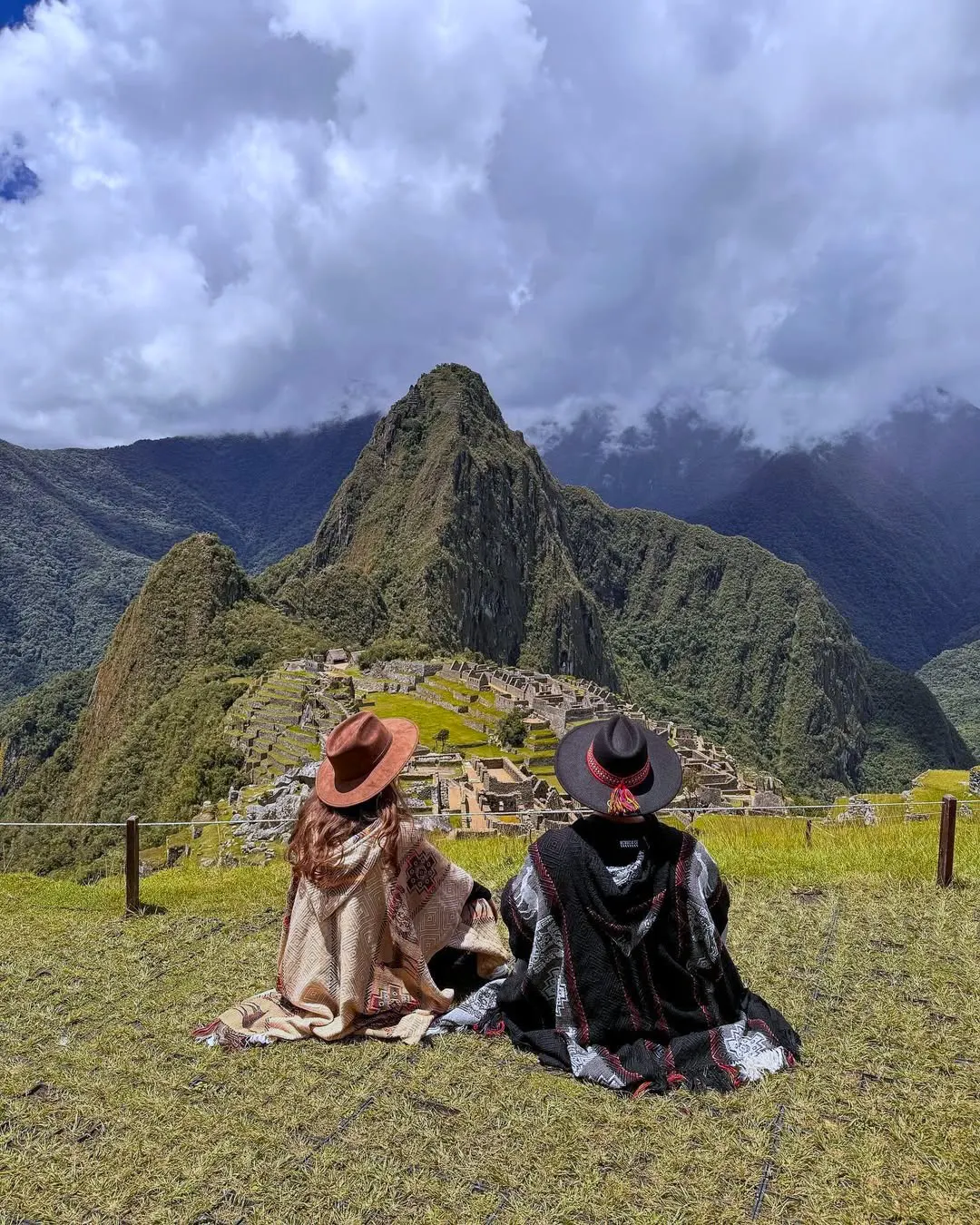
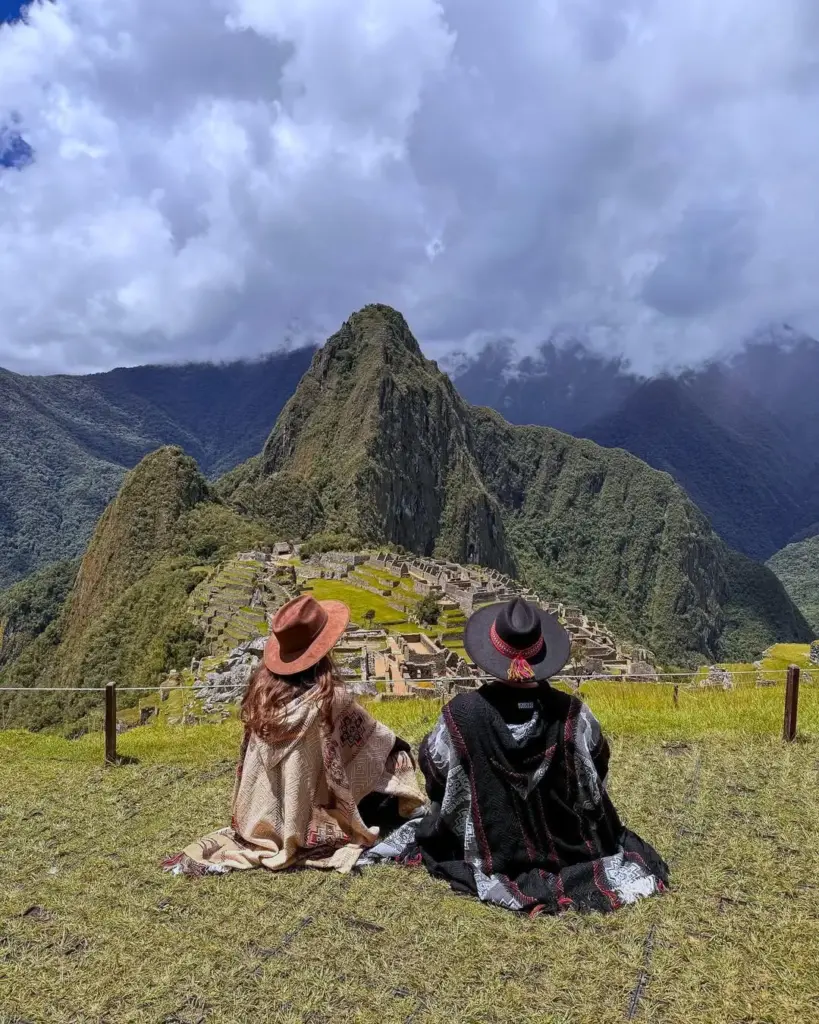
Built in the 15th century and hidden from the outside world until 1911, Machu Picchu sits on a ridge above the Urubamba River, framed by steep green peaks. A guided visit follows one of the official circuits through temples, terraces and royal quarters, and the views from the upper terraces are the classic image of Peru.
Entry is by timed ticket and the number of visitors per day is limited, so book months ahead for the dry season. If you want to climb Huayna Picchu, the peak behind the ruins, it needs a separate ticket that sells out first; our Huayna Picchu guide explains the options.
Altitude2,430 m (7,970 ft)
Time needed1 day; 2 with a night in Aguas Calientes
Best monthsApril – October (dry season)
Nearest airportCusco (CUZ), then the train from Ollantaytambo
With usIncluded in 12 of our tours
2. Cusco
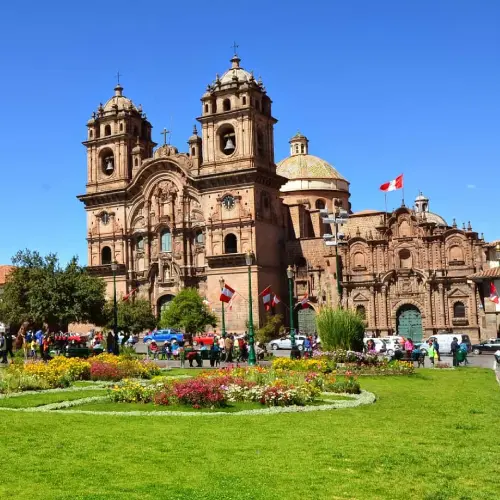
Cusco is a city where Inca walls support colonial churches. Walk from the Plaza de Armas to Qorikancha, the Inca sun temple beneath the convent of Santo Domingo, explore the artists’ quarter of San Blas and the San Pedro market, and visit the fortress of Sacsayhuamán above the city, with its enormous fitted stones. Our half-day Cusco city tour covers the essentials, and the Cusco Tourist Ticket gives access to many sites.
Altitude3,400 m (11,150 ft)
Time needed2 – 3 days
Best monthsApril – October; June for Inti Raymi (24 June)
Nearest airportCusco (CUZ)
With usEvery Peru itinerary
3. The Sacred Valley: Pisac, Maras, Moray and Ollantaytambo
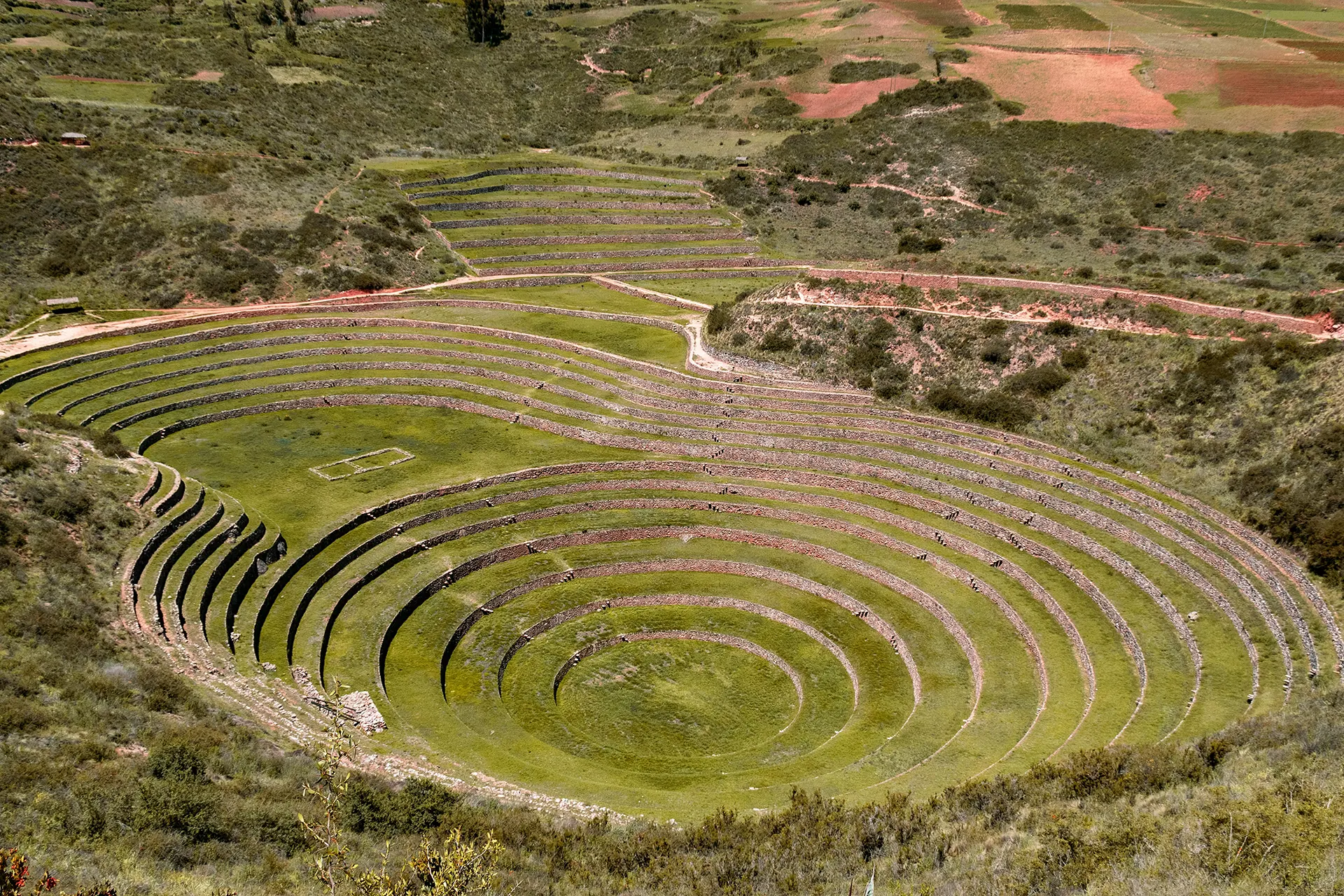
Lower and warmer than Cusco, the Sacred Valley of the Incas is the ideal first stop to acclimatise. Highlights include the Pisac ruins and market, the thousands of salt pans of Maras, the circular agricultural terraces of Moray and the fortress town of Ollantaytambo, still laid out on its Inca street plan and the main train station for Machu Picchu. Traditional weaving centres in Chinchero and Pisac show how Andean textiles are made, from shearing to natural dyes.
Altitude2,870 m (9,420 ft) in Urubamba
Time needed2 days
Best monthsApril – October; green and quiet November – March
Nearest airportCusco (CUZ), about 1.5 hours by road
With usIncluded in our Peru itineraries
4. Hike the Inca Trail
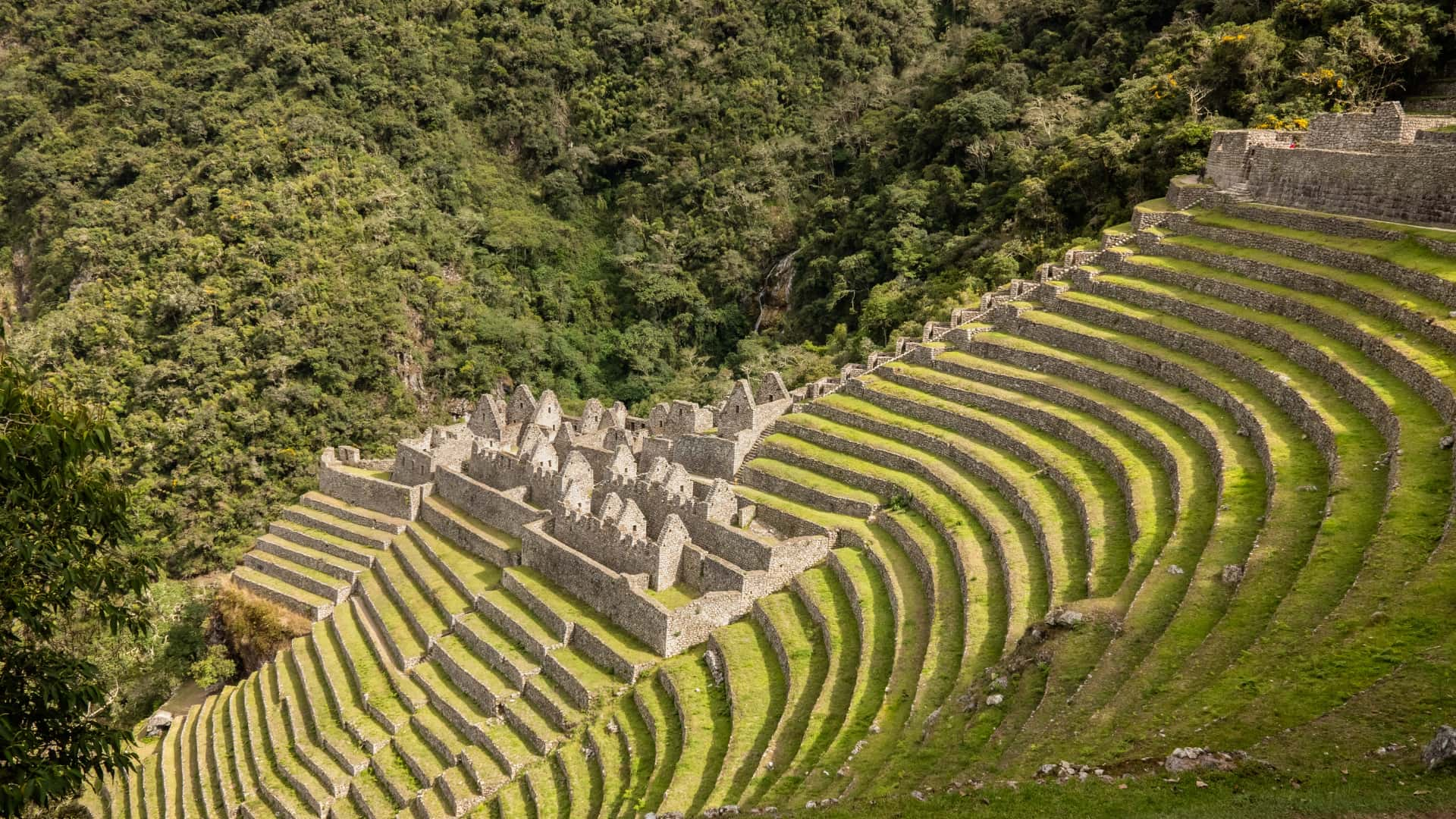
The classic Inca Trail is a four-day trek of about 42 km through cloud forest and Inca ruins, crossing Dead Woman’s Pass at 4,215 m and arriving at Machu Picchu through the Sun Gate. Permits are limited and must be booked months in advance, and the trail closes every February for maintenance. For a shorter experience, the one-day Short Inca Trail visits the terraces of Wiñay Wayna before reaching the citadel. Read our Inca Trail rules and regulations.
AltitudeUp to 4,215 m (13,830 ft)
Time needed4 days (classic) or 1 – 2 days (short)
Best monthsMay – September; closed in February
Nearest airportCusco (CUZ)
5. Rainbow Mountain (Vinicunca) and Palcoyo
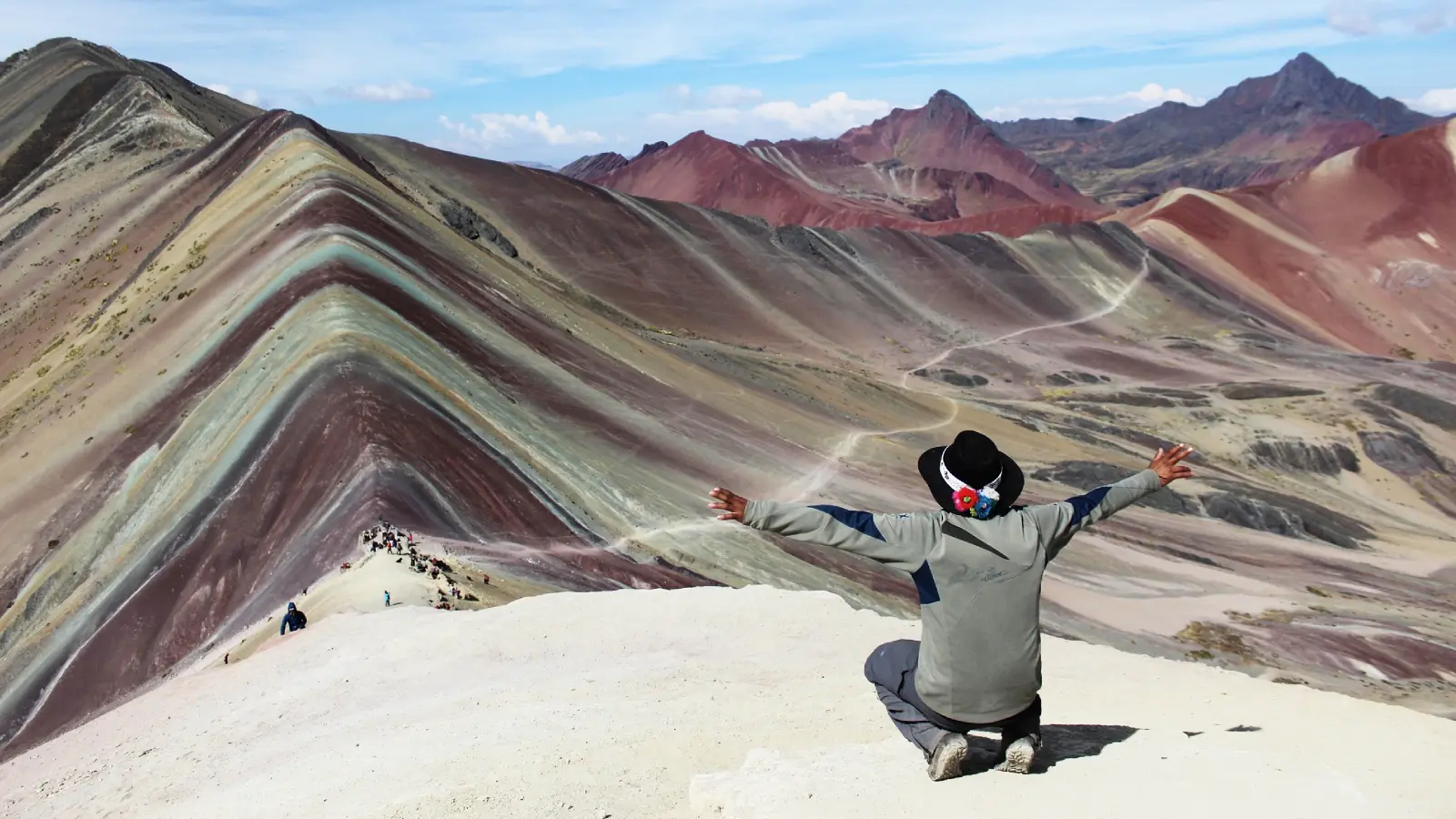
Bands of red, ochre and turquoise minerals give Vinicunca its name. It is a full-day trip from Cusco with a steep walk at very high altitude, so it is best done after a few days in the region. To avoid the crowds, consider Palcoyo, a quieter rainbow mountain with a shorter, gentler walk, which we include in our 35-day South America tour.
AltitudeAbout 5,000 m (16,400 ft)
Time needed1 long day from Cusco
Best monthsMay – October (snow is possible in the rainy season)
Nearest airportCusco (CUZ)
6. Humantay Lake and the lakes of Ausangate
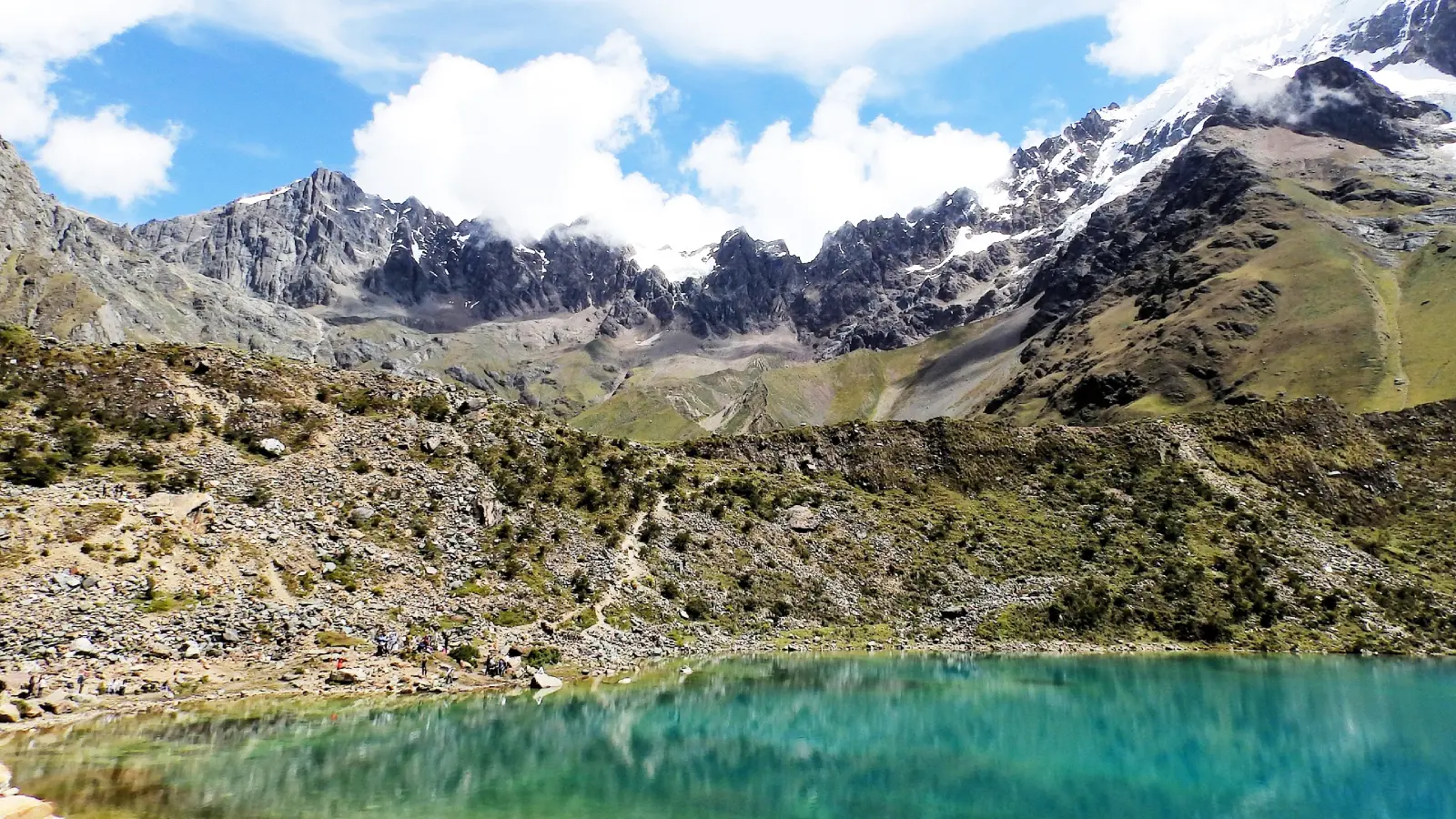
Humantay is a turquoise glacial lake beneath the snowy peaks of the Salkantay range, reached by a steep climb of around an hour and a half from Soraypampa. Further south, the Ausangate massif hides a string of coloured lakes; see our guide to the 7 Lakes of Ausangate.
AltitudeAbout 4,200 m (13,780 ft)
Time needed1 long day from Cusco
Best monthsMay – October
Nearest airportCusco (CUZ)
Lake Titicaca
7. Lake Titicaca: the Uros and Taquile islands
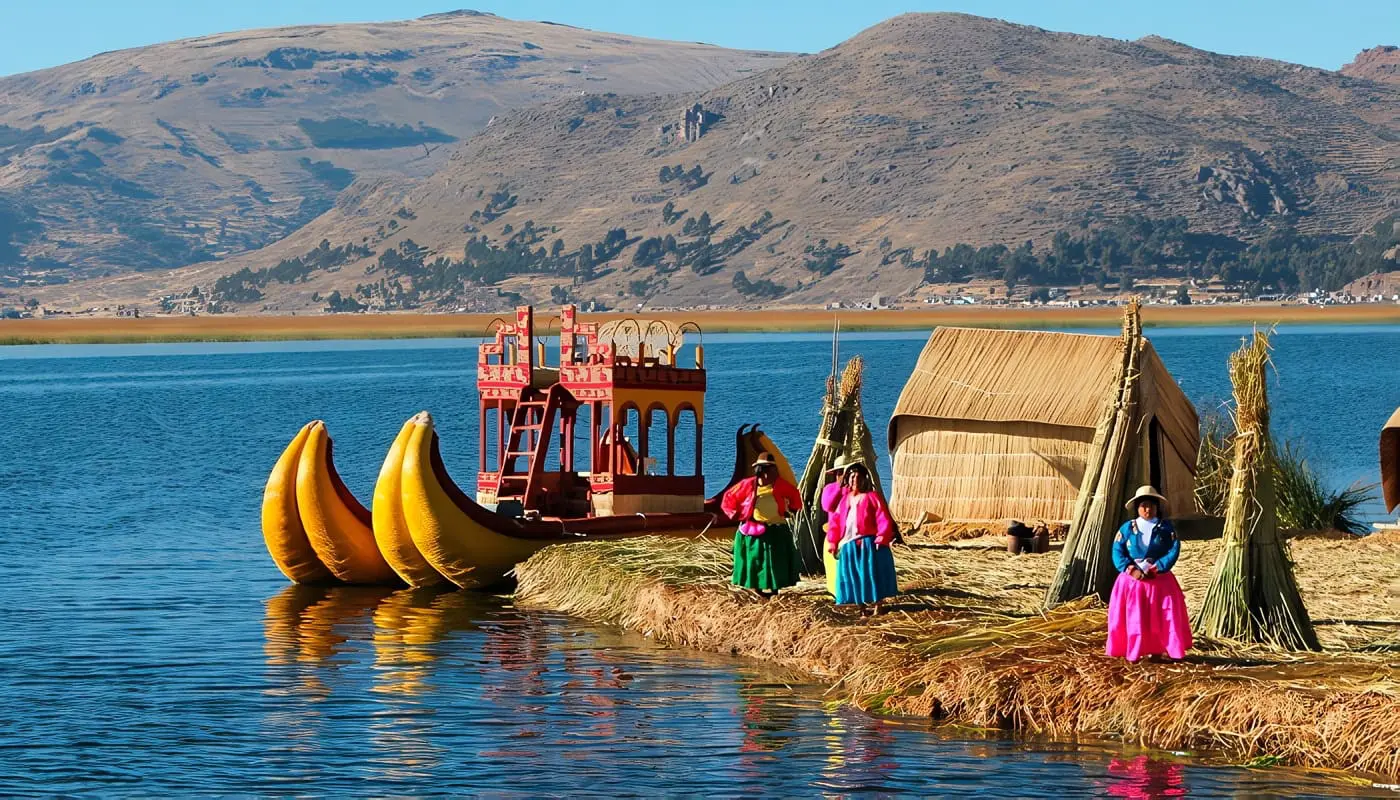
Shared with Bolivia, Lake Titicaca is often called the highest navigable lake in the world. From Puno, boats visit the floating islands of the Uros, built entirely from totora reeds, and Taquile, whose textile art is recognised by UNESCO. Staying overnight with a family on Luquina or Amantaní is one of the most authentic experiences in Peru. Our Lake Titicaca travel guide has more detail.
Altitude3,812 m (12,507 ft)
Time needed2 days
Best monthsApril – November
Nearest airportJuliaca (JUL), about 45 minutes from Puno
With usIncluded in our Peru and Bolivia tours
8. Ride the train from Cusco to Puno
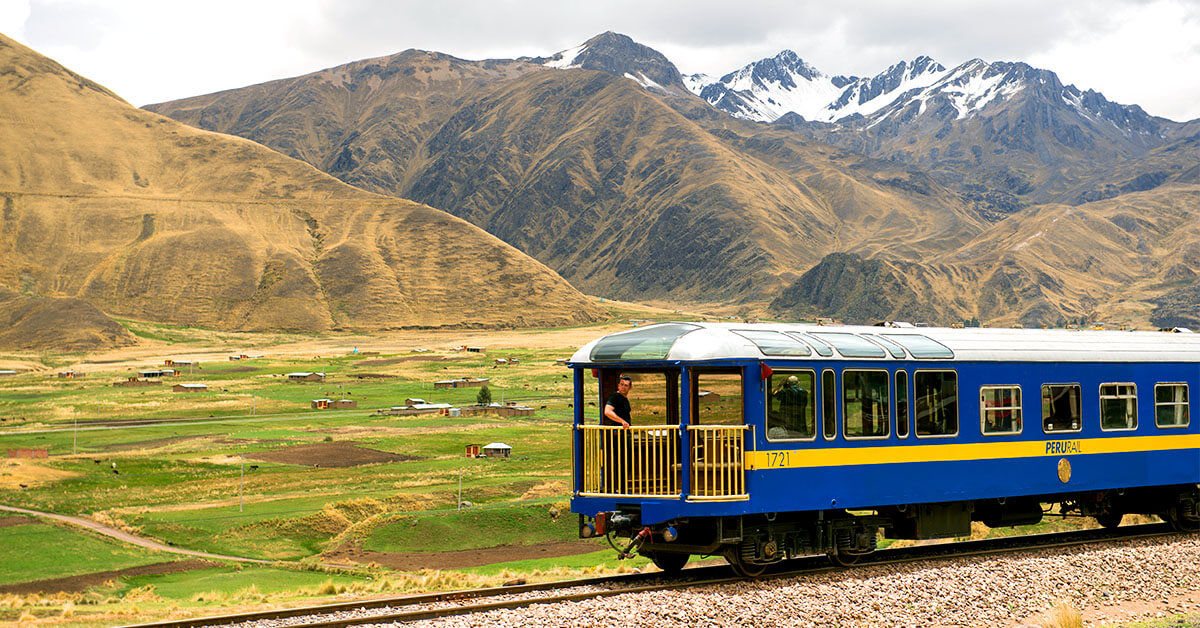
The PeruRail Titicaca train is a full-day journey across the high plains between Cusco and Puno, with an observation car, lunch on board and a stop at La Raya pass, the highest point of the route. It is the most scenic way to reach the lake, and part of our Peru and Bolivia tour.
AltitudeUp to about 4,300 m at La Raya
Time needed1 day
Best monthsAll year
Nearest airportStarts in Cusco (CUZ), ends in Puno
Arequipa and the Colca Canyon
9. Arequipa, the White City
Arequipa is built of sillar, a pale volcanic stone, beneath the cone of El Misti volcano. Its historic centre is a UNESCO World Heritage site, and the Santa Catalina Monastery, a walled city within the city, is one of the most atmospheric places in Peru. The local cuisine, with dishes such as rocoto relleno, is reason enough to stay a night or two.
Altitude2,335 m (7,660 ft)
Time needed1 – 2 days
Best monthsAll year; driest April – November
Nearest airportArequipa (AQP)
10. Colca Canyon and the Andean condor
Among the deepest canyons in the world, the Colca is lined with pre-Inca terraces and traditional villages. Early in the morning at the Cruz del Cóndor viewpoint, Andean condors ride the thermal currents along the canyon walls. Most visitors stay one or two nights near Chivay on a trip from Arequipa.
AltitudeAbout 3,600 m (11,800 ft) in Chivay
Time needed2 days
Best monthsApril – December for condors; driest May – November
Nearest airportArequipa (AQP), then about 3 – 4 hours by road
The south coast: Paracas, Huacachina and Nazca
11. Paracas and the Ballestas Islands
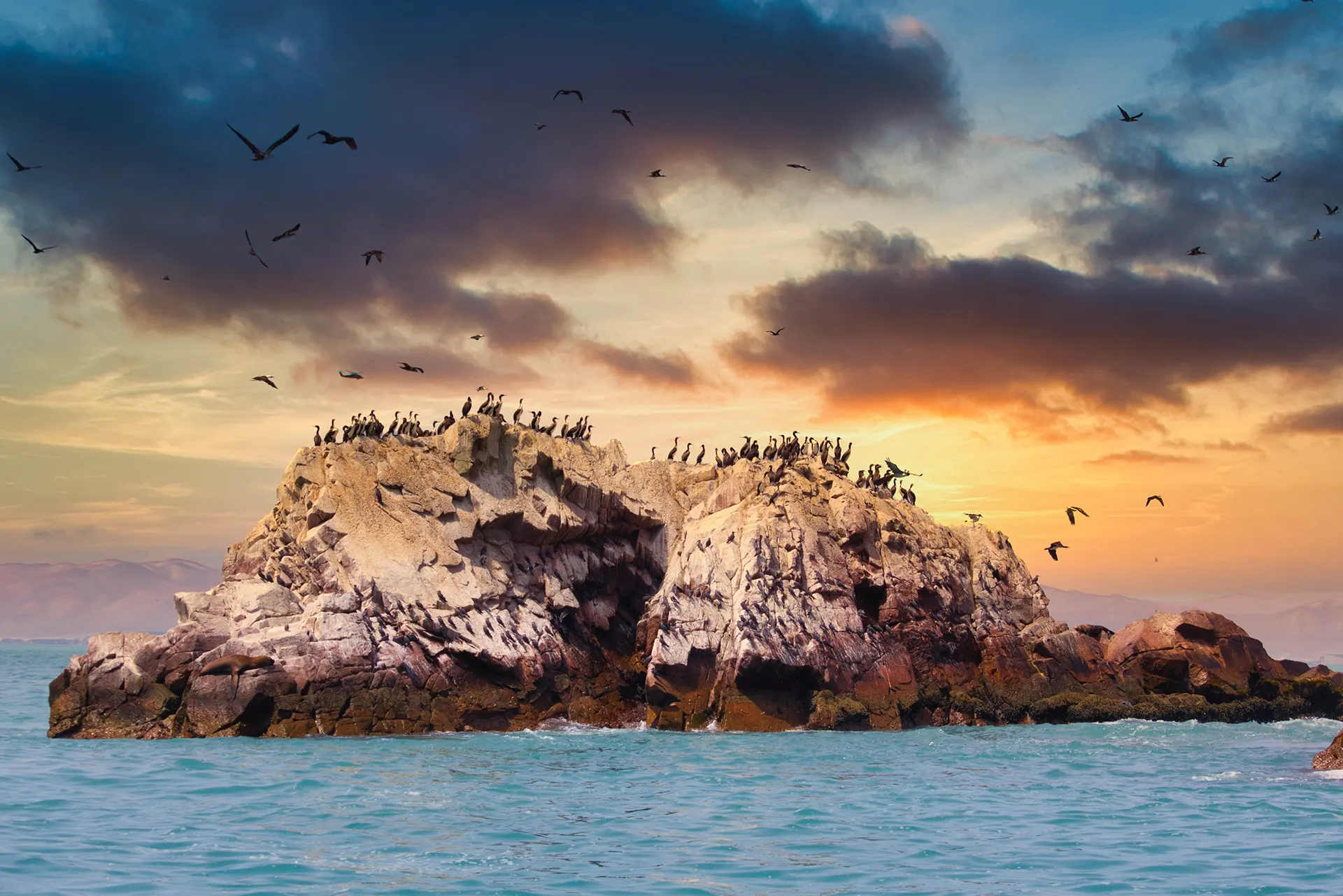
A boat trip from Paracas passes the Candelabro, a giant figure drawn on a hillside, on the way to the Ballestas Islands, home to sea lions, Humboldt penguins and huge colonies of seabirds. It is a perfect day trip from Lima, which we combine with Huacachina in our Peru and Bolivia and Signature Journey itineraries.
AltitudeSea level
Time needed1 day from Lima
Best monthsAll year
Nearest airportLima (LIM), about 3.5 hours by road
12. Huacachina oasis
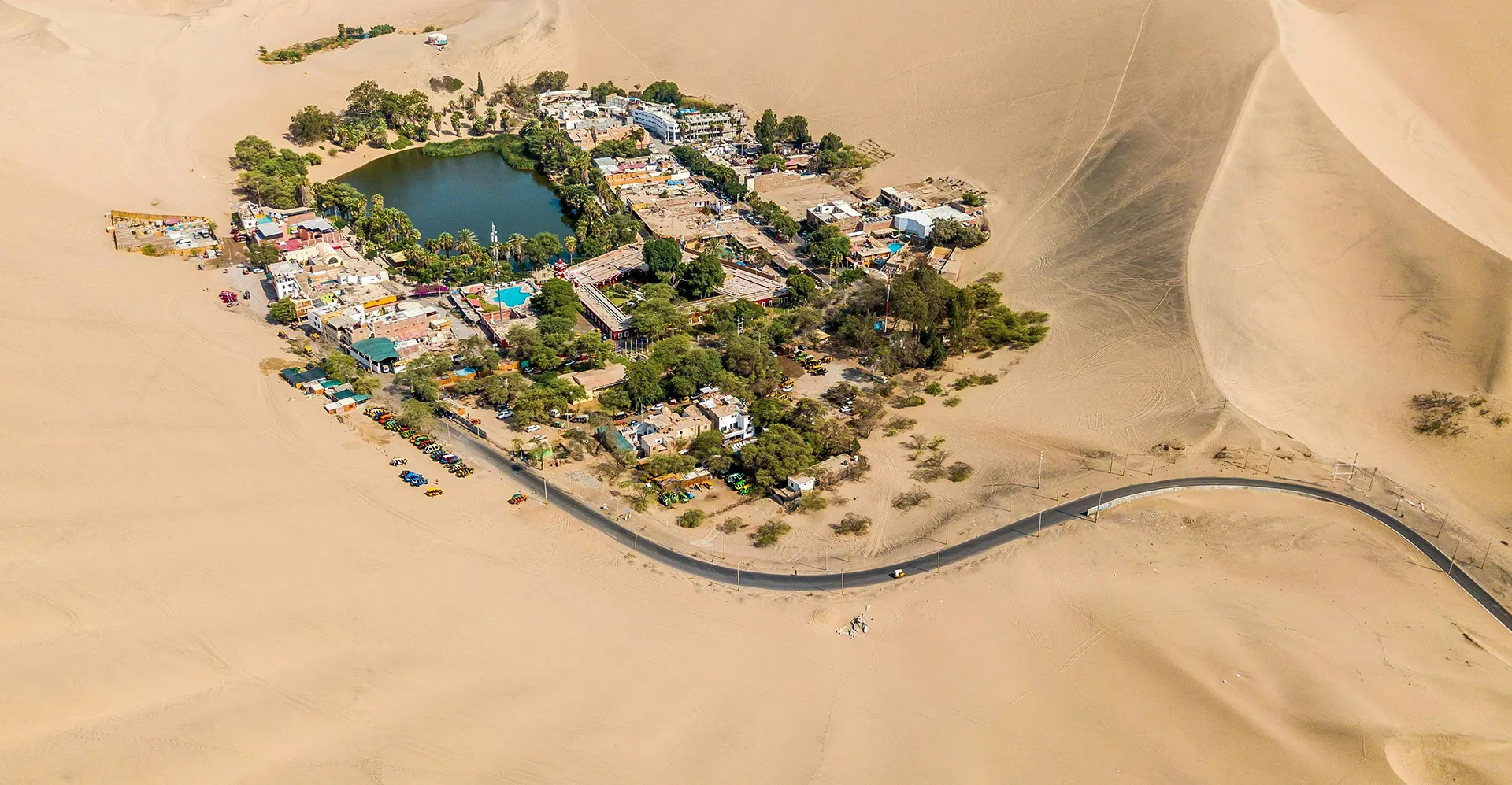
A small lagoon surrounded by palm trees and towering sand dunes, Huacachina is the place to ride a dune buggy and try sandboarding, then watch the sunset over the desert. It sits just outside Ica, in a region of vineyards and pisco distilleries.
AltitudeAbout 400 m (1,300 ft)
Time neededHalf a day
Best monthsAll year
Nearest airportLima (LIM), about 4.5 hours by road
13. The Nazca Lines

Drawn into the desert between roughly 500 BC and AD 500, the Nazca Lines include a hummingbird, a monkey and a spider, many of them so large they can only be appreciated from the air. A short scenic flight is the classic way to see them; read our Nazca Lines tour guide.
AltitudeAbout 500 m (1,640 ft)
Time needed1 day
Best monthsAll year
Nearest airportFlights over the lines from Nazca or Pisco
Lima
14. Eat your way through Lima

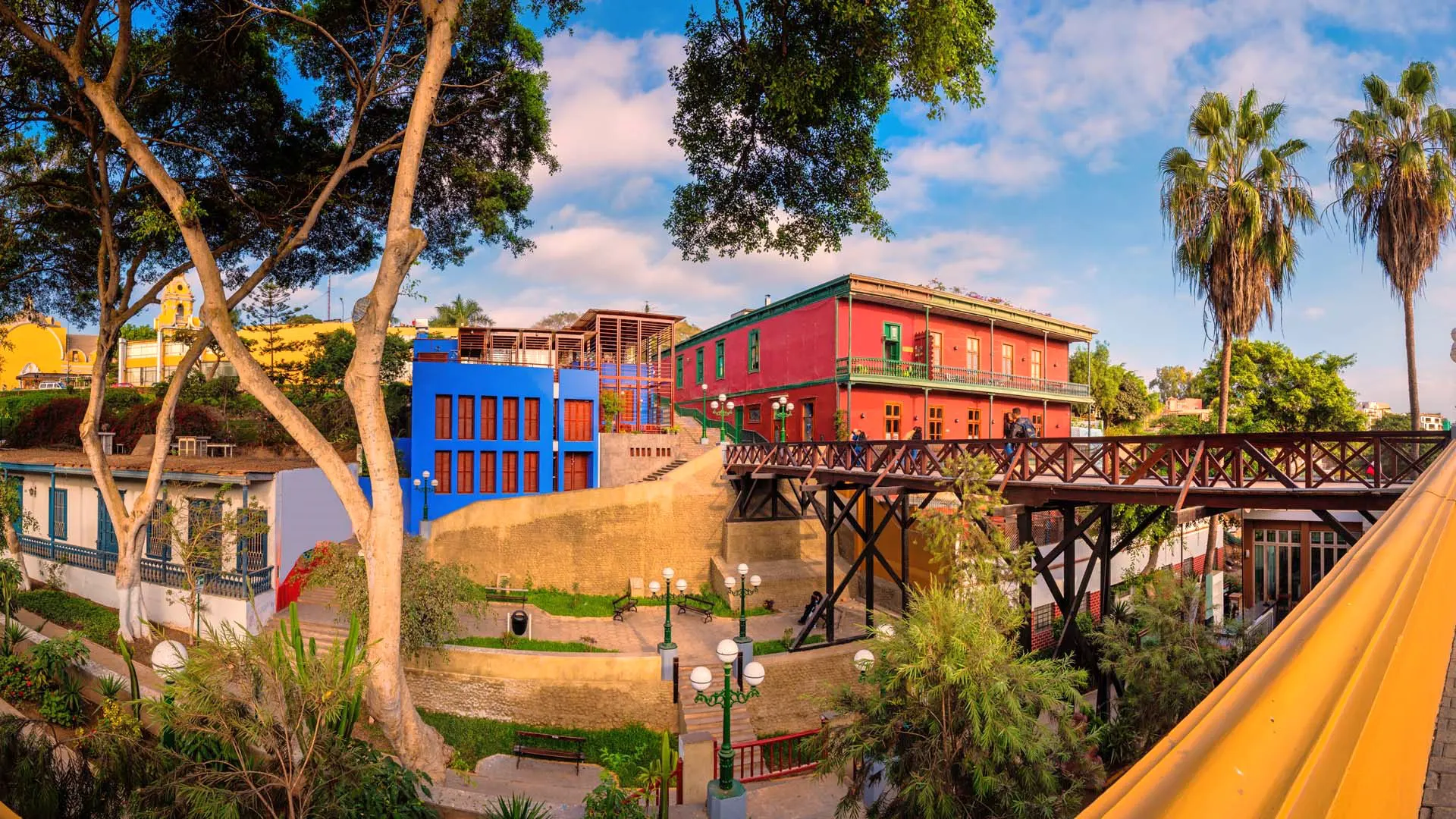
Lima is one of the great food capitals of the world. Its restaurants regularly top international rankings, and in 2025 Maido was named the best restaurant in the world. Beyond the tasting menus, try ceviche at a cevichería, a pisco sour and the Chinese-Peruvian chifa cooking that is part of the city’s identity. Between meals, explore the historic centre, the cliffs of Miraflores and the colourful bohemian district of Barranco.
AltitudeSea level
Time needed2 days
Best monthsDecember – April for sunshine; grey but mild May – November
Nearest airportLima (LIM)
With usThe start of most of our Peru tours
The Amazon rainforest
15. Tambopata and the southern Amazon

A short flight from Cusco or Lima to Puerto Maldonado leads to lodges along the Tambopata and Madre de Dios rivers. Days start early with boat trips, forest walks and, if you are lucky, macaws gathering at a clay lick, giant river otters or monkeys in the canopy. It is the easiest way to add the Amazon to a Peru trip; see our 35-day tour, which includes it.
AltitudeAbout 180 m (590 ft)
Time needed3 – 4 days
Best monthsMay – October (dry season)
Nearest airportPuerto Maldonado (PEM)
16. Iquitos and the Amazon River
Iquitos is the largest city in the world that cannot be reached by road. It is the base for river cruises and lodges along the Amazon itself and the Pacaya-Samiria reserve, where pink river dolphins are a common sight. The river is highest from about December to May, when boats can explore flooded forest, and lowest from June to November, when more trails are open.
AltitudeAbout 100 m (330 ft)
Time needed3 – 4 days
Best monthsAll year (high water December – May, low water June – November)
Nearest airportIquitos (IQT)
Northern Peru
17. Huaraz and the Cordillera Blanca
The Cordillera Blanca is the highest tropical mountain range on Earth, with Huascarán, Peru’s highest peak, at 6,768 m. From the town of Huaraz, day hikes lead to glacial lakes such as Laguna 69, and the area is a paradise for trekkers who want spectacular mountains without the crowds of the south.
Altitude3,050 m (10,000 ft) in Huaraz; Laguna 69 about 4,600 m
Time needed3 – 4 days
Best monthsMay – September
Nearest airportLima (LIM), about 8 hours by road
18. Trujillo and Chan Chan
The north coast was home to cultures far older than the Incas. Near Trujillo, Chan Chan was the capital of the Chimú kingdom and the largest adobe city in the Americas, and the Huacas del Sol y de la Luna preserve vivid Moche murals. In the fishing village of Huanchaco, fishermen still ride reed boats called caballitos de totora.
AltitudeSea level
Time needed2 days
Best monthsAll year
Nearest airportTrujillo (TRU)
19. Kuélap and the Gocta waterfall
High in the cloud forests of Amazonas, the walled citadel of Kuélap was built by the Chachapoya people centuries before the Incas. Nearby, the Gocta waterfall drops in two tiers through the forest and is one of the tallest in the world. Part of Kuélap has been closed for conservation works since 2022, so check current access before planning.
AltitudeAbout 3,000 m (9,840 ft) at Kuélap
Time needed3 days
Best monthsMay – September
Nearest airportJaén (JAE), then about 4 hours by road
20. The beaches of the north coast
While Lima is grey for much of the year, the far north enjoys sunshine almost every day. Máncora and the nearby beaches offer surfing, warm water and seafood, a relaxing way to end an active trip through the Andes.
AltitudeSea level
Time needed2 – 4 days
Best monthsAll year; warmest December – April
Nearest airportTalara (TYL) or Piura (PIU)
How to handle altitude in Peru
Cusco, Lake Titicaca and many of the places above sit at more than 3,000 metres, and how you order your trip makes a real difference. From our base in Cusco, this is the sequence we recommend:
- Start low. Fly from Lima to Cusco and drive straight down to the Sacred Valley, about 500 m lower, for your first nights.
- Visit Machu Picchu next, which is lower still, before sleeping in Cusco.
- Save the highest places for last: Lake Titicaca, Rainbow Mountain, Humantay Lake and Bolivia.
- Take it easy on the first day, drink plenty of water, eat light and avoid alcohol until you feel well.
Travellers with heart or lung conditions should speak to their doctor before travelling to high altitude.
How to avoid the crowds
- Machu Picchu: choose the first entry slots of the morning or the afternoon, when day-trippers have left.
- Rainbow Mountain: leave Cusco very early, or visit Palcoyo instead.
- Sacred Valley: visit Pisac and Ollantaytambo midweek and early, before the tour buses arrive.
- Timing: June to August is the busiest period; April, May, September and October combine good weather with more space.
Sample itineraries
7 days: Lima, the Sacred Valley, Machu Picchu and Cusco, the essential first visit. Our 8-day itinerary adds Lake Titicaca.
10 days: add Lake Titicaca by the PeruRail Titicaca train, or Paracas and Huacachina on the coast.
2 weeks: continue into Bolivia and the Uyuni Salt Flats with our 14-day Peru and Bolivia itinerary, or fly to the Galápagos on our Machu Picchu and Galápagos tour.
3 weeks or more: combine Peru with Chile, Argentina or Brazil; browse our Peru tours or let us design a tailor-made trip.
Best time to visit Peru
For the Andes, including Cusco, Machu Picchu and Lake Titicaca, the dry season from May to October is the most reliable, with April and November as good shoulder months. The coast around Lima is sunny from December to April, and the Amazon is best from May to October. See our full guides to the best time to visit Peru and the best time to visit Machu Picchu.
Frequently asked questions
What is the number one thing to do in Peru?
Visiting Machu Picchu, ideally combined with Cusco and the Sacred Valley. Together they are the heart of any first trip to Peru.
How many days do you need in Peru?
Seven days cover Lima, the Sacred Valley, Machu Picchu and Cusco. Ten to fourteen days let you add Lake Titicaca, the coast or the Amazon.
Do I need to book Machu Picchu in advance?
Yes. Daily visitor numbers are limited, so book tickets and trains several months ahead, especially from May to October. Inca Trail permits sell out even earlier.
What is the best way to travel around Peru?
Domestic flights connect Lima with Cusco, Arequipa, Juliaca, Puerto Maldonado and other cities in an hour or two. Within regions, private transfers and scenic trains, such as the routes to Machu Picchu and to Puno, are the most comfortable options.
Which places in Peru are at high altitude?
Cusco (3,400 m), Lake Titicaca (3,812 m), Rainbow Mountain (about 5,000 m) and Huaraz (3,050 m) are high. Machu Picchu (2,430 m) and the Sacred Valley are lower, while Lima, Paracas and the Amazon are close to sea level.
Can I combine Peru with other countries?
Yes. Peru combines naturally with Bolivia and the Uyuni Salt Flats, Ecuador and the Galápagos, and Chile, Argentina and Brazil on longer journeys.
Ready to Experience This Firsthand?
Our travel consultants in Cusco design your itinerary around your dates, pace and hotel style.

Wilfredo Zúñiga Huamanguillas
Anthropologist | South America Travel Expert | Cultural & Nature EnthusiastAnthropologist and South America travel expert with 11 years of experience in tourism, trained at the Universidad Nacional de San Antonio Abad del Cusco. Wilfredo writes about the people, traditions and landscapes of the continent, from the Andes and Machu Picchu to Patagonia, Brazil and the Amazon.
More about Wilfredo →