
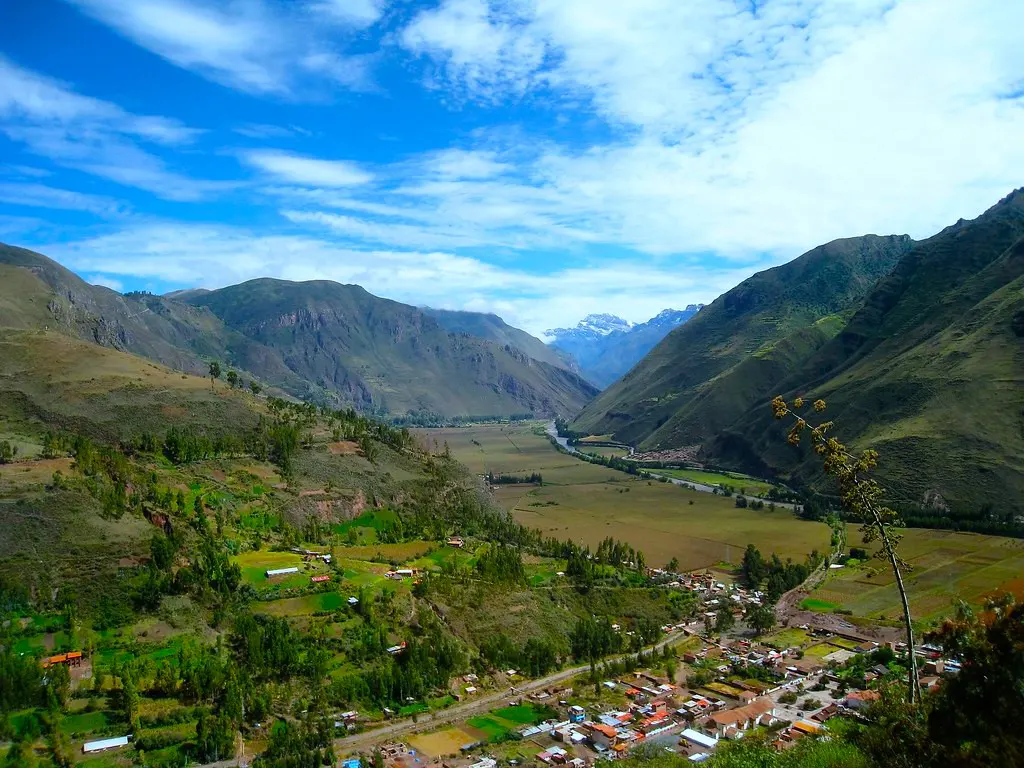
Perched high on a breathtaking plateau, Huchuy Qosqo—meaning “Little Cusco” in the Quechua language—reveals a captivating window into the ancient world of the Incas. This hidden gem in the Andes appeals to explorers, history buffs, and trekking enthusiasts who seek a deeper connection with Peru’s rich past. Surrounded by the stunning landscapes of the Sacred Valley and framed by the snow-capped peaks of the Urubamba range, it offers an immersive experience far from the crowds.
While Huchuy Qosqo may be overshadowed by the famed Machu Picchu, it carries its own profound historical and cultural importance. Visitors encounter masterful Inca stonework, complex agricultural terraces, and untouched natural beauty, making it an ideal spot for those who wish to escape the typical tourist routes and discover the serene side of the Andes.
Why You Should Include Huchuy Qosqo in Your Travel Plans
For adventurers who love trekking and history, Huchuy Qosqo presents an unforgettable journey. The site showcases remarkable Inca engineering while challenging visitors with a trek across some of the Andes’ most dramatic landscapes. Along the way, you’ll enjoy panoramic views of the Sacred Valley dotted with traditional villages like Urubamba, Calca, and Lamay, each offering a glimpse into authentic Andean culture.
If your travel style favors off-the-beaten-path experiences, this location is perfect. Walk through pristine rural areas, admire the carefully designed terraces that sustained ancient communities, and explore pathways carved centuries ago, offering a profound sense of history and connection.
Exploring Huchuy Qosqo: Stepping Back into Inca Civilization
Historical Overview of the Inca Legacy
The term Huchuy Qosqo, or “Little Cusco”, reflects its significant role as a regional center for governance and military command during the Inca Empire’s height. Situated on a commanding plateau, the site fulfilled various functions—from hosting religious ceremonies and community events in its expansive Kallankas (large halls) to serving as a center for storage and agriculture through its impressive terraces.
Historical records suggest the original name may have been Xaquijaguana, with alternate designations like Caquia Xaquixaguana, Sacsahuana, and Huana. Though modest in size, Huchuy Qosqo was a vital hub for resource management and military coordination within the empire.
A Strategic Stronghold in the Sacred Valley
Nestled within the Sacred Valley, Huchuy Qosqo was more than just a military fortress; it was an administrative core that allowed the Incas to oversee the valley’s agricultural bounty. Its elevated position offered strategic advantages to monitor and protect key food production areas, essential for the empire’s stability. The terraces, still visible today, demonstrate the Incas’ extraordinary skill in engineering and sustainable land management.
Archaeological Highlights of Huchuy Qosqo
Remarkable Inca Architecture and Terracing
At Huchuy Qosqo, visitors will discover an array of Inca-built structures including temples dedicated to sacred rituals, Qolcas (storage buildings), and vast Kallankas used for gatherings. These constructions reveal not only the Incas’ architectural mastery but also their deep respect for and adaptation to the natural environment. Their terracing techniques transformed steep, challenging terrain into fertile agricultural land, a testament to their sustainable farming practices.
- Kallankas: Large, open halls used for important ceremonies and elite assemblies.
- Qolcas: Specialized storage units designed to preserve crops such as corn and potatoes, crucial for food security.
- Irrigation Engineering: An 800-meter canal system ingeniously supplied water to the terraces, highlighting the advanced hydraulic engineering of the Incas.
Spiritual Centers and Astronomical Alignments
The site also houses sacred temples aligned with astronomical events, emphasizing the Incas’ sophisticated understanding of the cosmos and their religious devotion. These sanctuaries served as centers for ritualistic practices that were integral to Inca spirituality and agricultural cycles.
Trekking to Huchuy Qosqo: Embrace the Andean Wilderness
Popular Routes to Reach the Site
Getting to Huchuy Qosqo is an adventure in itself, with multiple trekking paths offering diverse experiences through the Andean landscape.
- Saqsayhuaman Trail: This historic route passes through notable archaeological sites like Fortaleza, Cauca, and Rumi Cruz, offering a rich cultural journey.
- Chinchero Route: A demanding six-hour hike beginning in the charming village of Chinchero, perfect for those who want to dive deep into nature and Andean culture.
- Calca Path: A shorter but steep trail from Calca, delivering spectacular views over the Sacred Valley.
Each trail provides a unique way to engage with the environment and history, making the journey as rewarding as the destination.
The Classic Huchuy Qosqo Trek
The classic trek starts in Qorao and takes hikers through Patabamba and around the scenic Qoricocha Lagoon before arriving at the ancient terraces. Covering roughly 13 kilometers over approximately six hours, it culminates at Apacheta Pass, standing at 4,200 meters (13,780 feet) above sea level, where hikers are greeted with stunning panoramas of the surrounding peaks.
Best Time to Experience Huchuy Qosqo
The ideal period to visit Huchuy Qosqo is during the dry months between May and October. This season offers clear skies and comfortable daytime temperatures, perfect for trekking and exploring. Still, visitors should be prepared for cooler temperatures in the mornings and evenings by dressing in layers.
The rainy season from November to April brings lush green landscapes and fewer tourists, creating an intimate atmosphere for those willing to brave the occasional showers.
The Enduring Cultural Importance of Huchuy Qosqo
In 2003, Huchuy Qosqo was declared a National Heritage site, recognizing its critical role in conserving the Inca civilization’s heritage. Unlike the more popular archaeological sites, it offers a tranquil and reflective setting, allowing visitors to connect deeply with the history of one of the most advanced cultures of the ancient world. Its innovative architecture and agricultural systems continue to inspire admiration and study.
How to Access Huchuy Qosqo
Reaching Huchuy Qosqo involves choosing from several routes tailored to different preferences:
- Saqsayhuaman Route: The classic and most well-known path starting at Saqsayhuaman fortress.
- Chinchero Route: A scenic and challenging trail beginning in the picturesque town of Chinchero.
- Calca Route: A convenient and shorter option from Calca that doesn’t sacrifice incredible views.
Whether you are a history lover, an enthusiastic trekker, or someone looking for an authentic cultural experience, Huchuy Qosqo stands as a must-see destination. Its wealth of Inca heritage, breathtaking scenery, and peaceful trails offer a truly memorable passage into the Inca heartland.
Huchuy Qosqo on a multi-country trip
Huchuy Qosqo is not part of our journeys, but it sits right on the route they follow. Every one of our 12 journeys with Peru spends two nights in the Sacred Valley and then moves on to Cusco, and the trails to Huchuy Qosqo link the two: they start near Cusco or in Chinchero and come down to the valley at Lamay or Calca.
- Timing: the classic trek crosses a pass at about 4,200 m, well above Cusco. It is better after a few nights at altitude than in your first days in Peru, which is why our journeys start lower, in the Sacred Valley.
- Before Bolivia: on routes that continue to Lake Titicaca, La Paz and Uyuni, the trek is good preparation for the high Altiplano. Our altitude planner shows how each route climbs.
For other walks in the Cusco region, see our guides to the 7 Lakes of Ausangate and the Inca Trail.
Our journeys through Cusco and the Sacred Valley
Overland, train or boatFlight
- 1Lima 3 nights
- 2Sacred Valley 2 nights
- 3Machu Picchu day trip
- 4Cusco 3 nights
- 5Puno (Lake Titicaca) 2 nights
- 6La Paz 2 nights
- 7Uyuni 2 nights
- 6La Paz 1 night
Frequently asked questions
What does Huchuy Qosqo mean?
“Little Cusco” in Quechua. It was an Inca administrative and farming centre above the Sacred Valley, with large halls (kallankas), storehouses (qolcas) and terraces fed by a canal about 800 metres long.
How long is the Huchuy Qosqo trek?
The classic route from Qorao is about 13 kilometres and takes around six hours, crossing a pass at about 4,200 metres. The route from Chinchero also takes about six hours, and the trail from Calca is shorter but steep.
When is the best time to hike to Huchuy Qosqo?
From May to October, the dry season, when the trails are firm and the skies clear. From November to April the hills are greener and quieter, but expect rain.
Is Huchuy Qosqo part of your journeys?
No. It is a hike for independent trekkers, between Cusco and the Sacred Valley. On our journeys you see the same landscapes from the Sacred Valley, Chinchero and the Inca sites around Cusco.
Ready to Experience This Firsthand?
Our travel consultants design your itinerary around your dates, pace and hotel style.

Wilfredo Zúñiga Huamanguillas
Anthropologist & Hospitality Professional | South America Travel ExpertAnthropologist, hospitality professional and South America travel expert with 11 years of experience in tourism, trained at the Universidad Nacional de San Antonio Abad del Cusco. Wilfredo writes about the people, traditions and landscapes of the continent, from the Andes and Machu Picchu to Patagonia, Brazil and the Amazon.
More about Wilfredo →