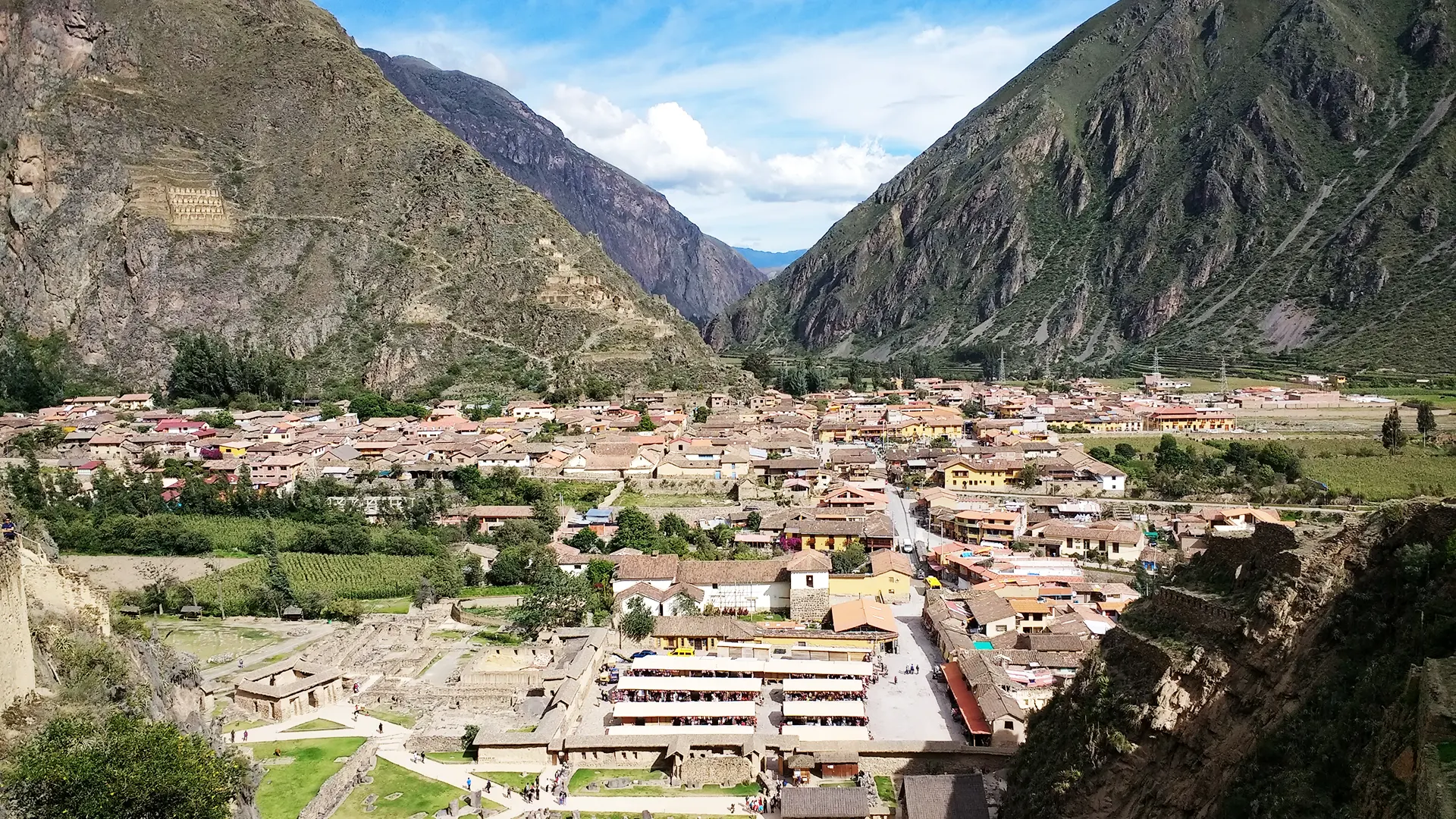
The emblematic district of the Sacred Valley becomes the second destination in Cusco to receive this distinction, joining Machu Picchu, which was classified in 2011.
At the foot of the Andes, where stones hold traces of ancient civilizations and the air is still filled with history, Ollantaytambo emerges once again with a distinction that hadn’t been granted in the region for over a decade. While its archaeological and cultural value has never gone unnoticed, it now has official recognition: the Ministry of Foreign Trade and Tourism (Mincetur) has placed it within Hierarchy 4, the highest level that a tourist resource can receive in Peru.
With this decision, Ollantaytambo becomes the second Cusco destination to receive this classification, after Machu Picchu was recognized in 2011. The ministerial resolution marks a new chapter for this town, which has long been a transit, meeting, and resistance point.
This recognition was not built in a vacuum. Over the past few months, the Regional Government of Cusco, through the Regional Directorate of Foreign Trade, Tourism, and Crafts (GERCETUR), submitted a technical file that was evaluated by Mincetur based on criteria such as appeal, accessibility, infrastructure, and sustainability. The distinction was formalized through Ministerial Resolution No. 027-2025-MINCETUR/VMT.
A classification with national impact
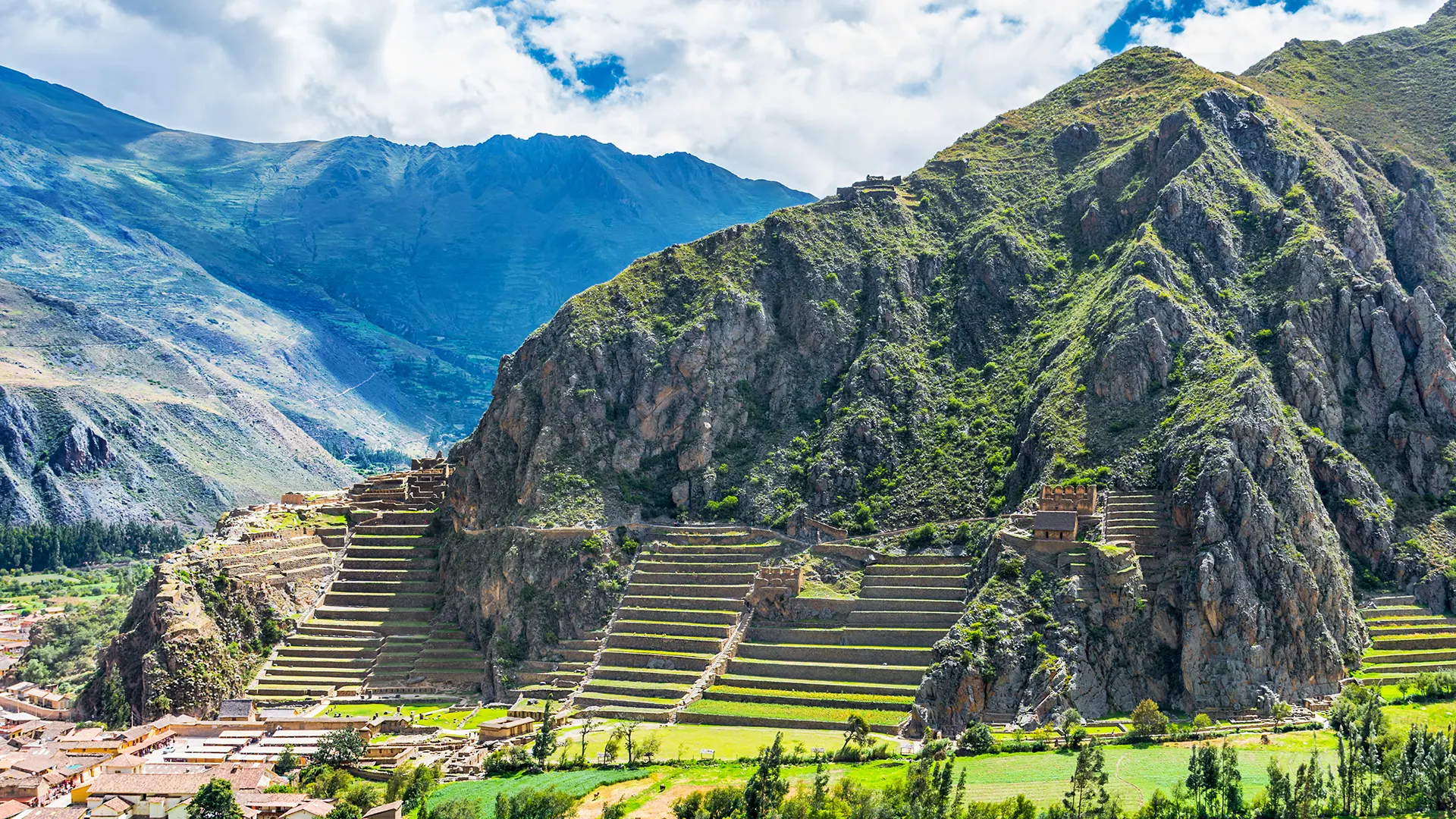
Ollantaytambo
According to Mincetur, Hierarchy 4 is reserved for destinations with the ability to attract international visitors and generate sustained tourist flows over time. Only those places that manage to position themselves as models of excellence can aspire to this category.
“Hierarchy 4 implies greater prestige, attraction of investments, development of infrastructure, and measures for resource conservation,” the ministry explained in a statement. This means that not only gains a title, but also becomes part of a national competitiveness and tourism projection strategy.
This classification level also requires that the destination has an environment prepared to handle the growth of visitors. Among the factors evaluated were access quality, available tourist services, signage, environmental impact, and integration with local communities.
Ollantaytambo is not a recent destination. For decades, it has been part of the Sacred Valley of the Incas’ tourism circuit, and has been the site of archaeological research, hotel development, and experiential tourism. However, with this distinction, it enters a new dimension of visibility and responsibility.
“This recognition reaffirms Ollantaytambo’s historical, cultural, and scenic value,” stated GERCETUR through its official channels. According to the entity, the classification responds not only to the place’s past but also to the potential it offers for sustainable development.
In this regard, the district’s municipality expressed that this category will help solidify local economic growth and strengthen cultural identity.
Benefits for the Population and Future Challenges
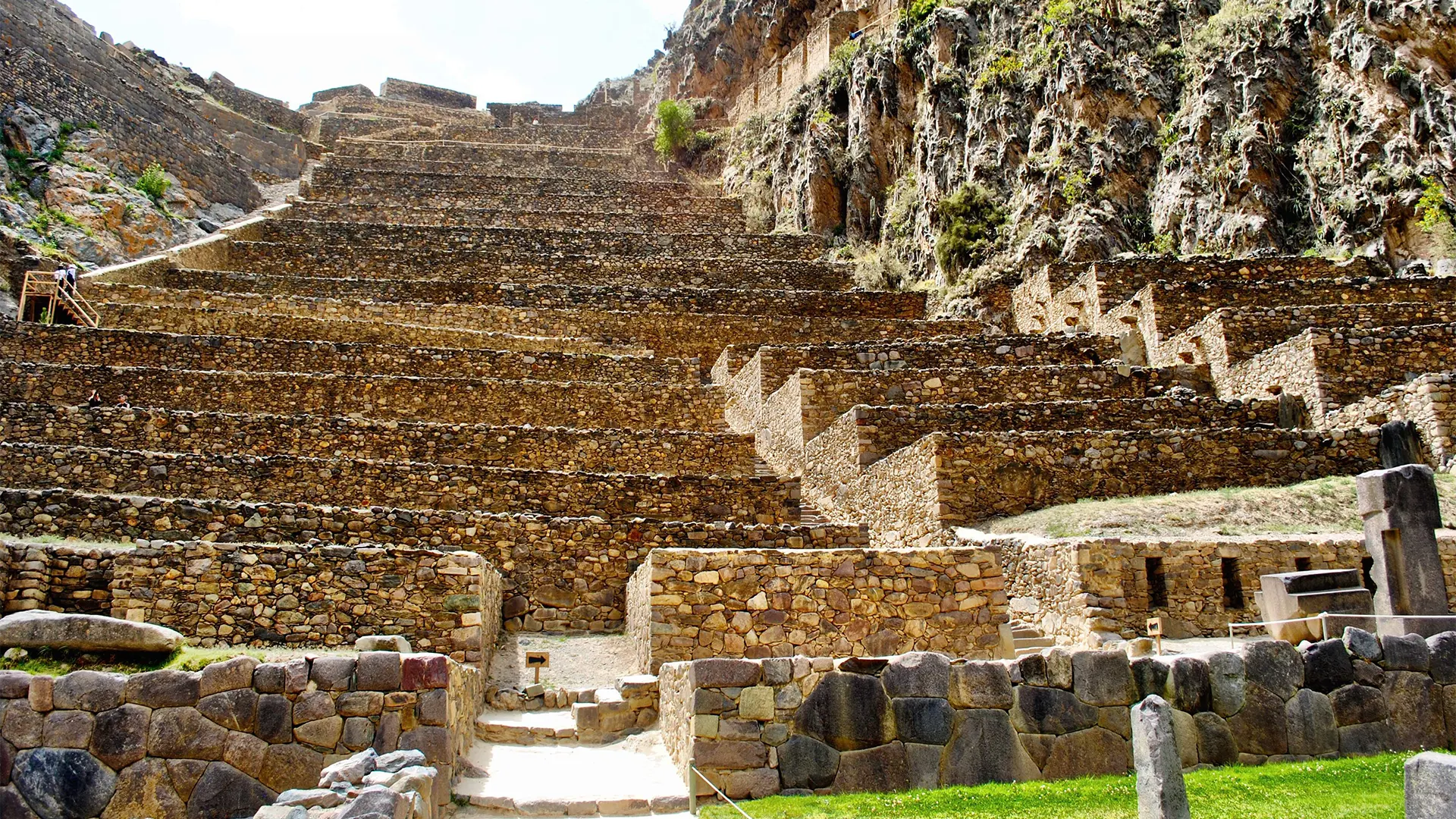
Ollantaytambo
One of the main effects of this classification is the projection of benefits for the district’s residents. Regional authorities noted that a boost to the local economy is expected, along with improvements in quality of life. Among the direct benefits, job creation and the possibility of attracting private investment in sectors such as hospitality, gastronomy, and services were highlighted.
At the same time, a new era of greater responsibility begins. Preserving the natural and archaeological environment will be key to maintaining the category. According to Mincetur, Hierarchy 4 is not permanent and is subject to reviews that assess compliance with commitments made.
Stronger collaboration between local authorities, tour operators, and the population is also expected. The development of new infrastructure, training service providers, and waste management are topics that, according to the ministry’s guidelines, should be on the immediate agenda.
The recognition positions Ollantaytambo as a key node within the Cusco tourism corridor. Its location in the Sacred Valley, its train access to Machu Picchu, and its connection to alternative routes make it a central piece for cultural and experiential tourism.
Additionally, its heritage includes one of the few living Inca cities, with original architecture that still supports daily dynamics. “Ollantaytambo is a gem in full activity. It’s not just an archaeological site, it’s a community with a history that lives and projects itself to the world”, said a specialist consulted by GERCETUR.
Hierarchy 4 gives the town a new tool to negotiate resources, demand technical support, and be part of national tourism policies with greater margins of action. The challenge will be to maintain the balance between economic growth and cultural preservation.