
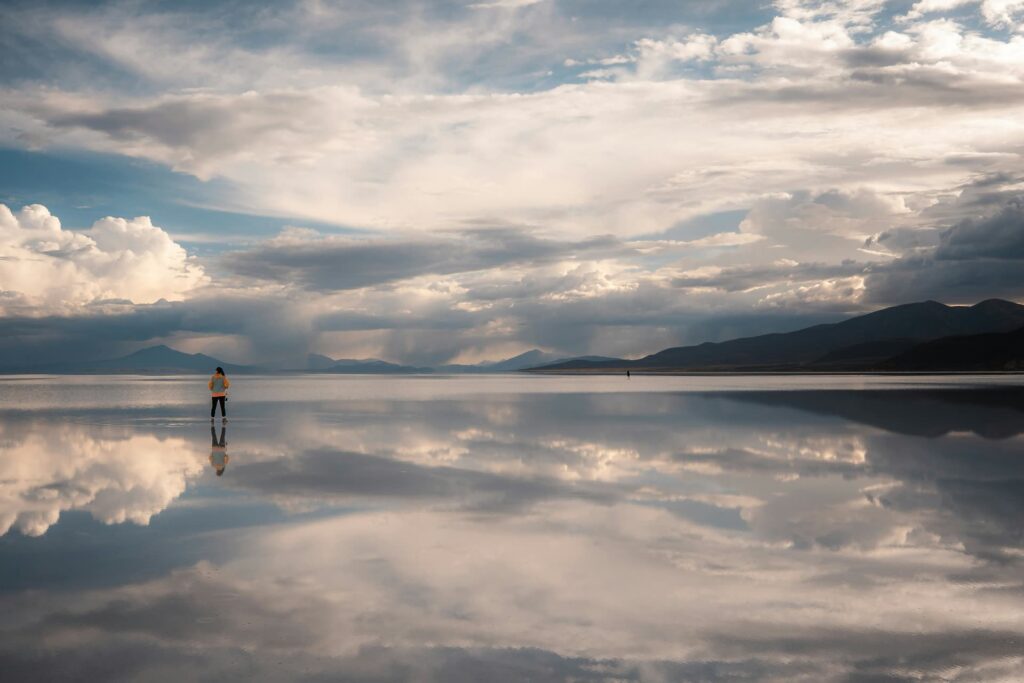
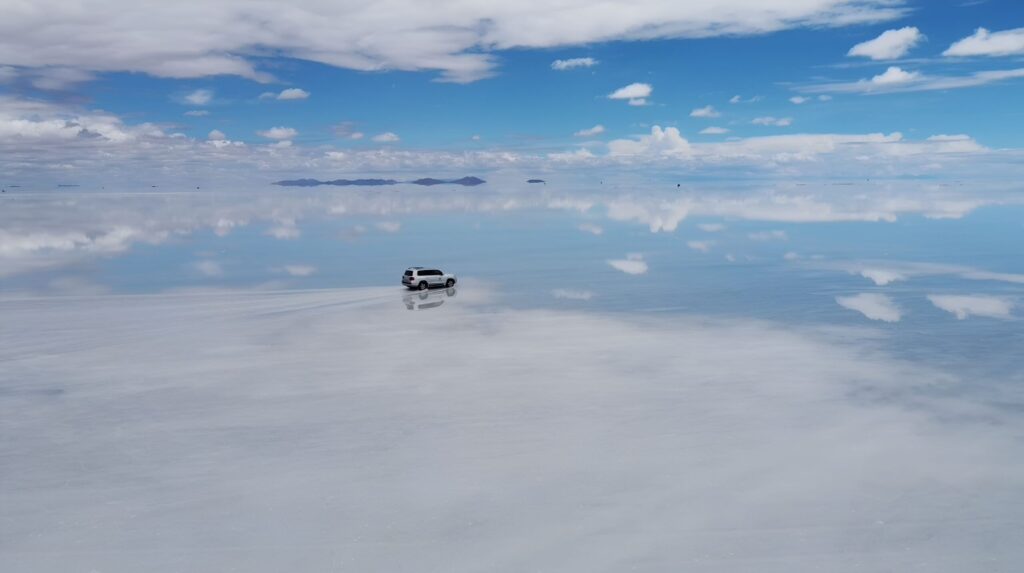
For a few months a year, the Uyuni Salt Flats (Salar de Uyuni) in south-western Bolivia turn into the largest mirror on Earth. Summer rain spreads a thin sheet of water over more than 10,000 km² of salt, and on a calm day the sky, the clouds and the mountains are reflected so perfectly that the horizon disappears. This guide explains when the mirror forms, where on the salt flat to find it, the best time of day, and what else lives around Uyuni, from flamingos to cacti a thousand years old.
The short answer: the mirror effect is most likely from January to March, and February is usually the wettest month. It can start in late December and last into early April. From May to November the salt flat is dry and white, with hexagonal salt tiles instead of the mirror.
Uyuni month by month: when is there a mirror?
| Months | The salt flat | Mirror | Good to know |
|---|---|---|---|
| December | Mostly dry, first storms | Possible late in the month | Warmer days; busy around Christmas and New Year |
| January | Rainy season | Likely | Some areas flood; Incahuasi Island can be cut off |
| February | Wettest month | Most likely | Rainy afternoons; routes are adapted after heavy rain |
| March | Rainy, starting to dry | Likely | More clear nights than in February |
| April | Drying out | Patches, early in the month | Mirror patches and dry crust on the same trip; fewer visitors |
| May to November | Dry, white crust | No | Hexagonal salt tiles, the whole salt flat and the lagoon route open; June to August has the clearest skies and the coldest nights |
No month guarantees a mirror. It depends on how much rain has fallen and on the wind on the day, so in the rainy season it helps to have a second chance: a sunset and a sunrise, or two days on the salt flat.
How the mirror forms
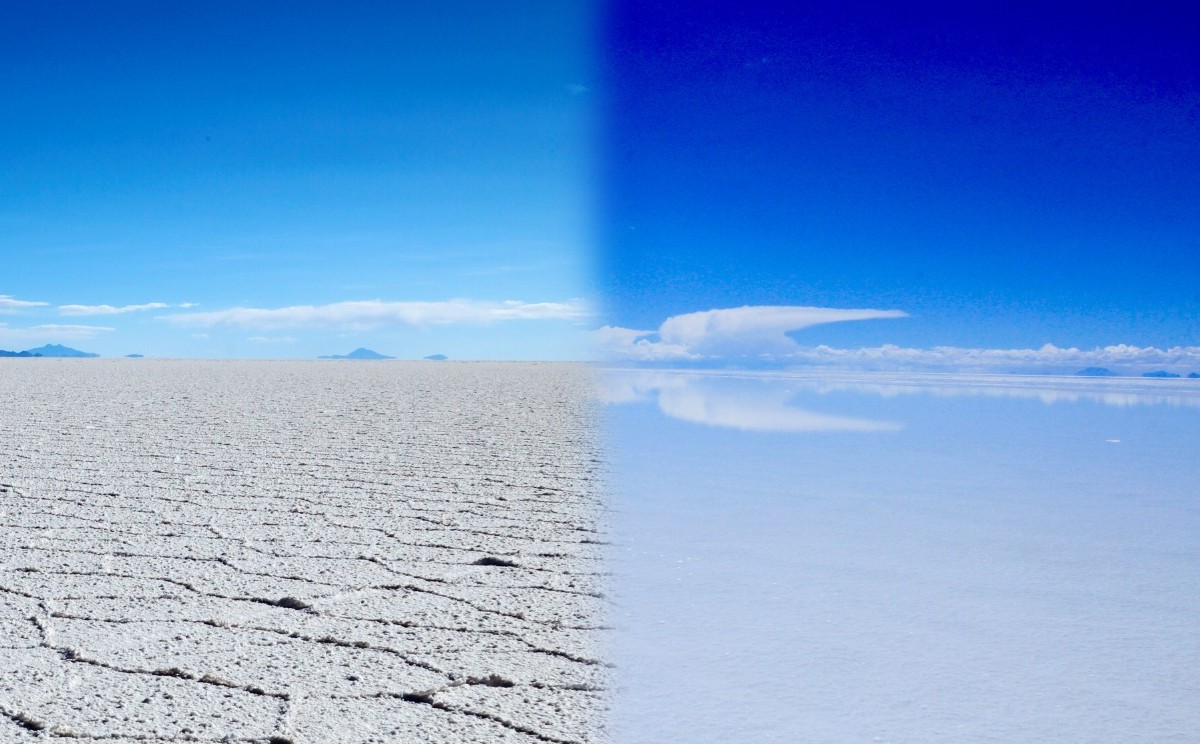
The Salar de Uyuni is one of the flattest places on Earth: across the whole salt flat, the surface varies by less than a metre. When summer storms arrive from December, the rain cannot drain away and spreads in a layer only a few centimetres deep. Where the water lies still, it reflects the sky like glass.
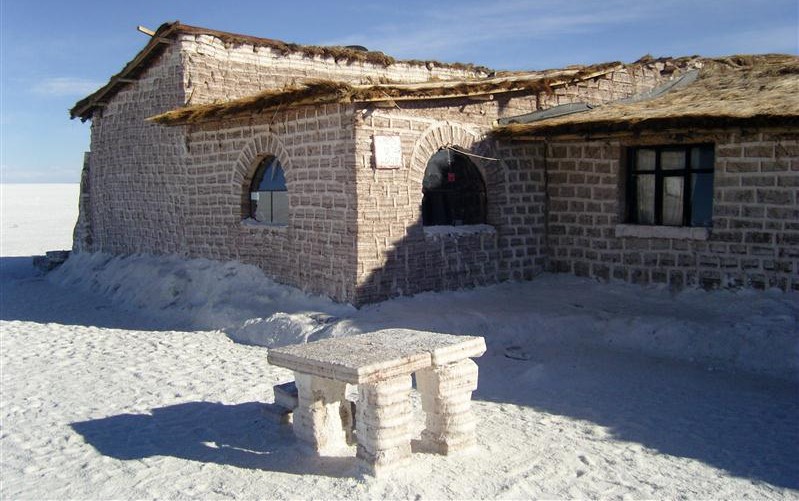
Three things make a good mirror: enough water to cover the salt, but not so much that a vehicle cannot drive on it; little or no wind, because ripples break the reflection; and an interesting sky, with clouds by day or a sunset in the evening. The water does not cover the whole salt flat evenly, so each morning the drivers look for the best flooded area. It is often near the edges, around Colchani and the first salt hotel, where the flags and the Dakar monument stand.
The best time of day for the mirror
- Sunrise: the air is usually at its calmest, so the reflection is at its sharpest. It is also the coldest moment of the day.
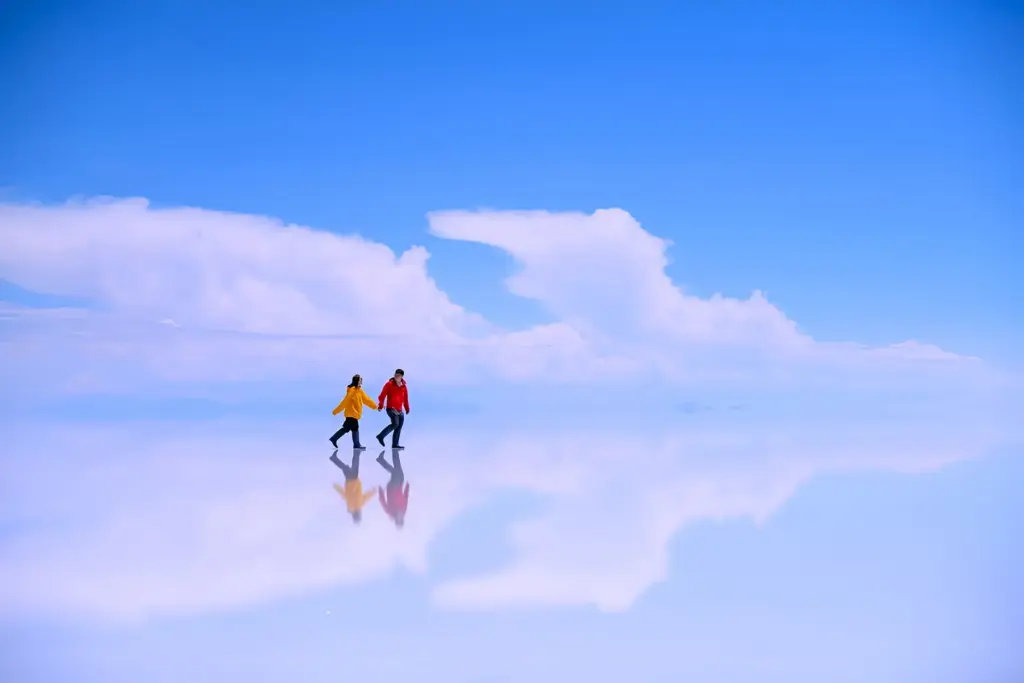
- Midday: white clouds reflected all around you. The light is harsh, and the glare off the water is strong.
- Sunset: the most photographed moment, with the sky turning orange and pink in the water. The wind often drops again in the late afternoon.
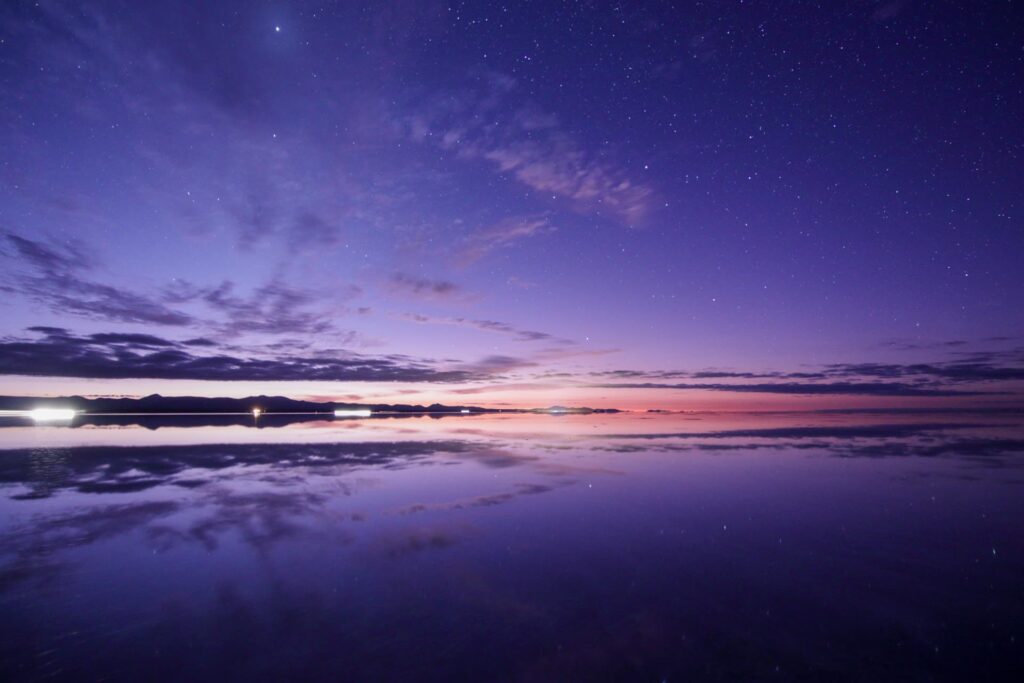
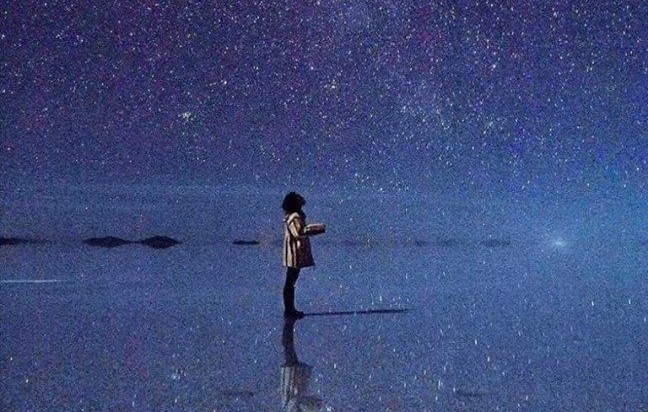
- After dark: on a clear, calm night the stars are reflected too, and it feels like walking through the sky. Clear nights are less common in January and February than in March and April.
Tips for seeing the mirror
- Waterproof boots: rubber boots keep your feet dry and protect them from the salt water. Many tour operators lend them, but check before you travel.
- Sunglasses and sunscreen: the glare from the water and the white salt is intense at about 3,650 m, even on cloudy days.
- Protect your camera and phone: salt water is corrosive, so keep them in a bag when you are not using them and wipe them at the end of the day.
- Perspective photos (the ones with tiny people standing on a shoe) need a dry, flat surface. They work best in the dry season, or on a dry patch in late March and April.
- Be flexible: after heavy rain some areas, sometimes Incahuasi Island, cannot be reached. The route is adapted on the day.
- Book early for December to February: it is the busiest time of year in Uyuni.
- Acclimatise first: visit Uyuni after a few days in Cusco, Lake Titicaca or La Paz, not at the start of your trip. Our altitude planner shows the height of each night on our routes.
For what to bring in each season, see our Uyuni packing list.
The salt flat in the dry season
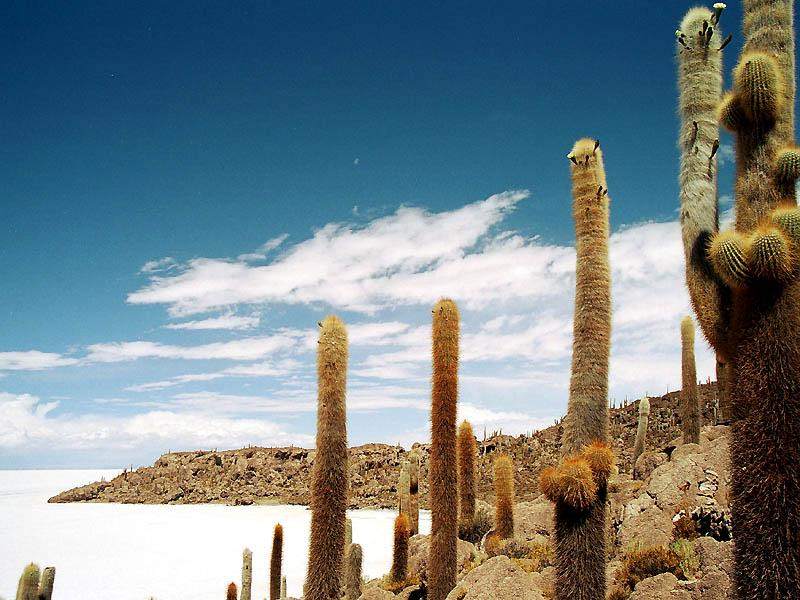
From May to November the water is gone and the salt flat is a white plain to the horizon. This is the time to cross it in every direction: to Incahuasi Island, a rocky outcrop in the middle of the salt covered in giant cacti; to the foot of the Tunupa volcano on the northern edge; and to the lagoons of the Eduardo Avaroa Reserve to the south. The hexagonal tiles, the perspective photos and the clearest skies of the year belong to this season. Nights are cold, and from June to August they are well below freezing.
Spending the night near the salt flat lets you see it at sunset and sunrise, in either season. Our Uyuni hub describes the salt hotels and the different programmes.
Stargazing in Uyuni
At about 3,650 m, far from any city, the sky over the Salar de Uyuni is one of the darkest and clearest in South America. The Milky Way, the Southern Cross and the two Magellanic Clouds are easy to see with the naked eye. The clearest nights are in the dry season, especially from June to August, when the centre of the Milky Way is high in the sky. In the rainy season, a clear and calm night adds the reflection of the stars in the water.
Wrap up warmly: even in summer the temperature drops close to freezing after dark.
Wildlife and plants around the salt flat
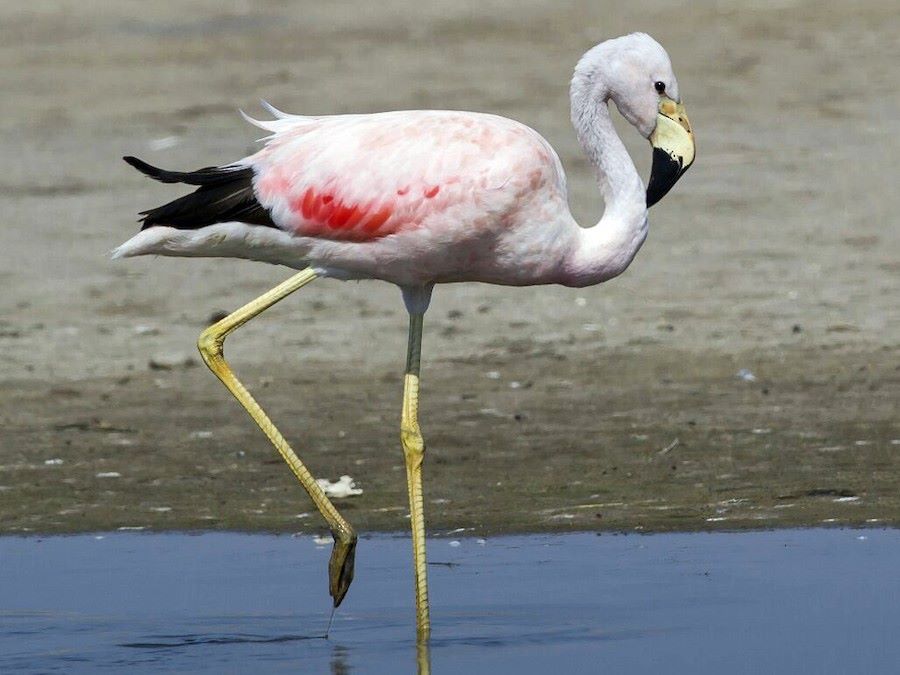
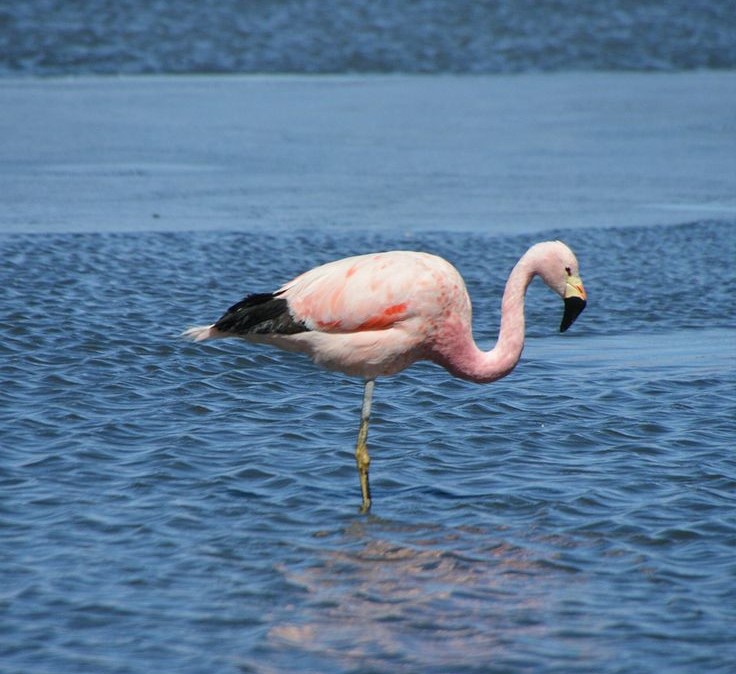
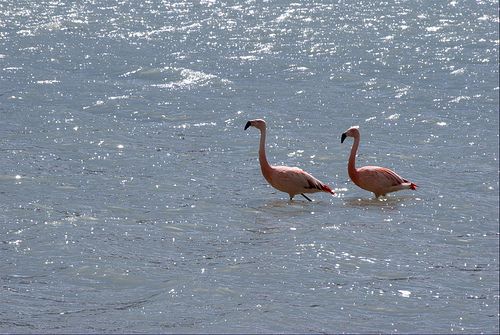
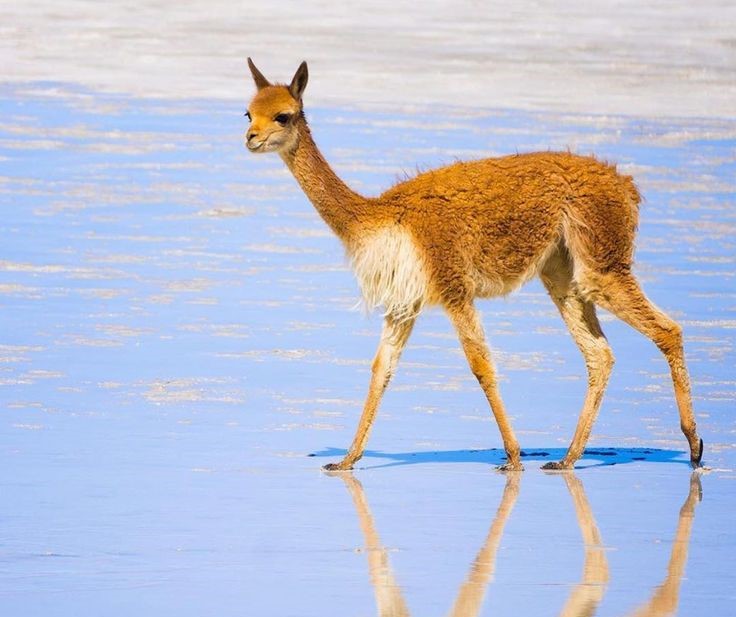
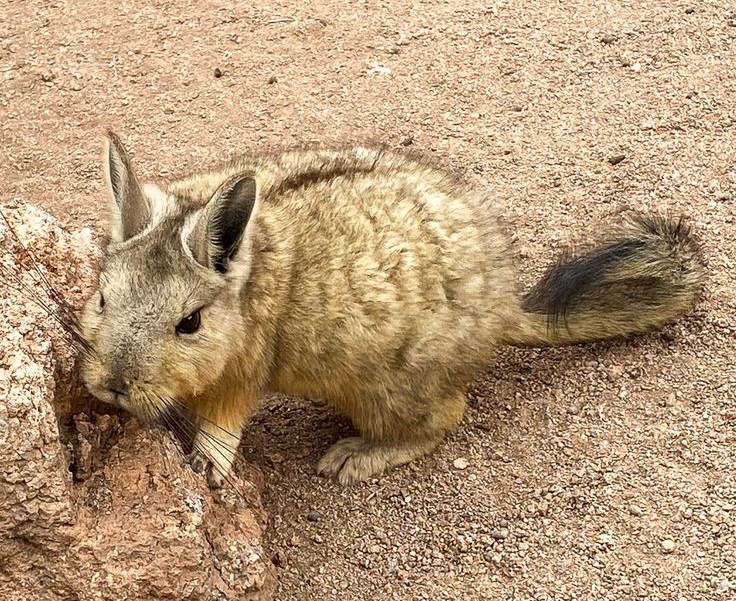
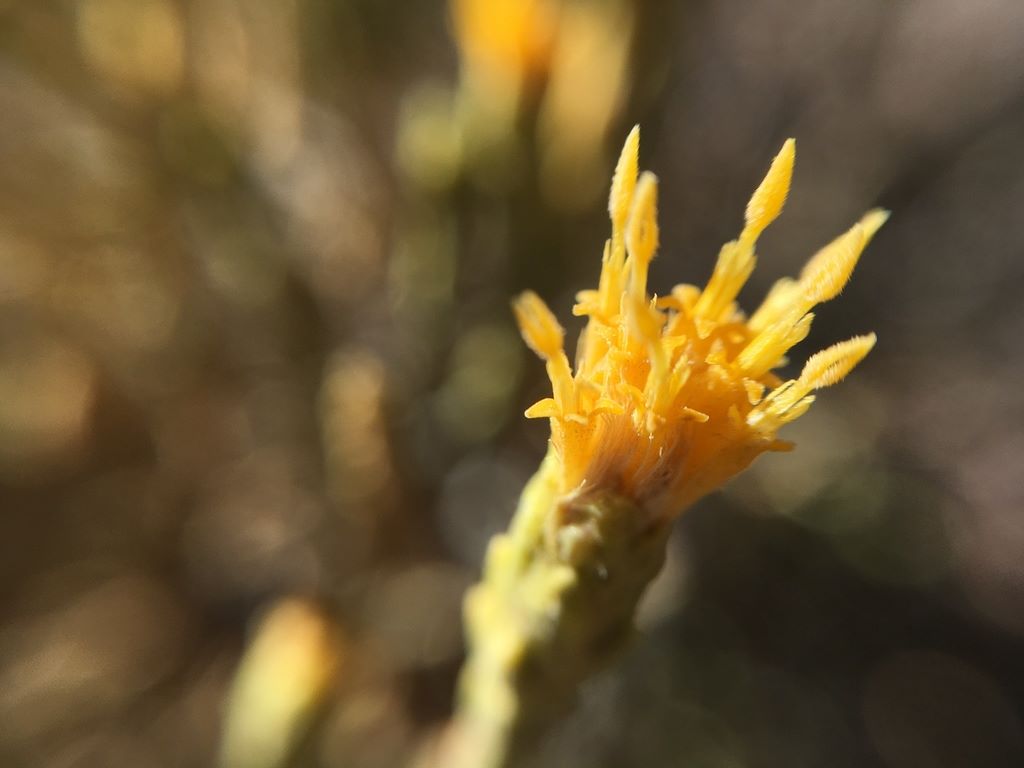
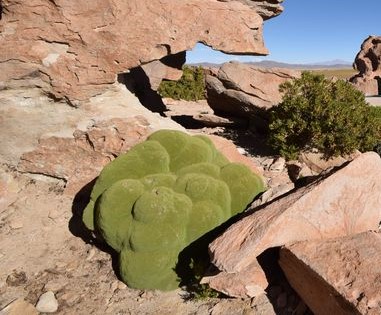
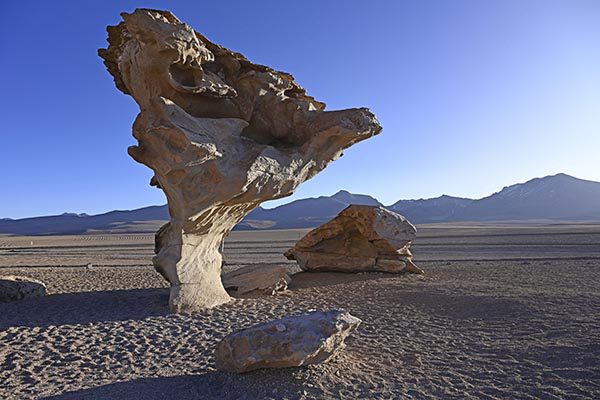
The salt flat itself is almost lifeless, but the Altiplano around it is not. Most of the wildlife lives on its edges and in the high lagoons to the south, on the route to Chile through the Eduardo Avaroa Reserve.
Uyuni on our journeys
Seven of our journeys include the Uyuni Salt Flats, always after a few days in La Paz to acclimatise, and every programme includes stargazing on the salt flat.
| Programme | What it covers | Journeys |
|---|---|---|
| One full day | The salt flat, then a flight back to La Paz the next morning | Peru & Bolivia Highlights (14 days) |
| Two days | The salt flat, then a second day around Uyuni, such as the mining town of Pulacayo and nearby high lagoons | Peru & Bolivia Discovery (16 days), Peru, Bolivia, Argentina & Brazil Grand Escape (24 days), Signature Journey (29 days) |
| Three days to Chile | The salt flat, the lagoons of the Eduardo Avaroa Reserve, Sol de Mañana and Laguna Verde, ending in San Pedro de Atacama | Peru, Bolivia & Chile Expedition (21 days), Must-See Gems (30 days), Explorer (35 days) |
If seeing the mirror matters to you, travel between January and March and tell our local travel experts when you enquire. For the rest of Bolivia, see our guides to the best time to visit Bolivia and our Bolivia itineraries.
Frequently asked questions
When is the Uyuni mirror effect?
In the rainy season, from about January to March, when a thin layer of water covers the salt. February is usually the wettest month. The mirror can start in late December and last into early April, but no date guarantees it, because it depends on the rain and the wind.
Is February a good time to visit Uyuni?
Yes, for the mirror. It is usually the wettest month, so the chances of standing water are highest. The trade-offs are rainy afternoons, fewer clear nights and areas such as Incahuasi Island that can be cut off after heavy rain.
Can you see the mirror and the salt hexagons on the same trip?
Sometimes, from late March into April, when the salt flat is drying: some areas still hold water while others already show the dry crust. It is not guaranteed, but it is the best time to try for both.
Can you visit Incahuasi Island in the rainy season?
Not always. After heavy rain the water around the island can be too deep for vehicles, so the route is changed on the day. From May to November it can always be reached.
How cold is Uyuni at night?
Close to freezing at night in the rainy season, and well below freezing from June to August. The lagoons to the south are higher and colder still. Days are much warmer, with strong sun.
Do I need rubber boots for the Uyuni mirror?
They help: the water is only a few centimetres deep, but it is salty and cold. Many tour operators lend rubber boots in the rainy season, so check before you travel, or bring waterproof boots of your own.
Why is the Salar de Uyuni so flat?
It is the bed of prehistoric lakes that dried out thousands of years ago and left a level crust of salt. Its height varies by less than one metre across more than 10,000 km², which is why the European Space Agency notes that it is used to calibrate the altimeters of satellites.
What is under the Uyuni Salt Flats?
A crust of salt from a few tens of centimetres to several metres thick, and under it a brine rich in lithium. Bolivia holds some of the largest lithium resources in the world, most of them beneath the Salar de Uyuni.
Is the Uyuni Salt Flats worth visiting?
Yes. It is the largest salt flat on Earth, and it is worth seeing in both seasons: as a mirror from January to March, and as a white plain of salt hexagons from May to November. It lies at about 3,650 m and nights are cold, so arrive after a few days at altitude and combine it with La Paz, Lake Titicaca or the lagoon route to Chile. Our altitude planner shows how high you sleep on each night of a route.
Plan your trip to the Uyuni Salt Flats
The Uyuni Salt Flats fit into journeys through Peru, Bolivia, Chile, Argentina and Brazil. Tell our local travel experts your dates and whether the mirror or the dry salt flat matters most to you, and we will send you a free, tailor-made proposal.
Ready to Experience This Firsthand?
Our travel consultants design your itinerary around your dates, pace and hotel style.

Wilfredo Zúñiga Huamanguillas
Anthropologist & Hospitality Professional | South America Travel ExpertAnthropologist, hospitality professional and South America travel expert with 11 years of experience in tourism, trained at the Universidad Nacional de San Antonio Abad del Cusco. Wilfredo writes about the people, traditions and landscapes of the continent, from the Andes and Machu Picchu to Patagonia, Brazil and the Amazon.
More about Wilfredo →